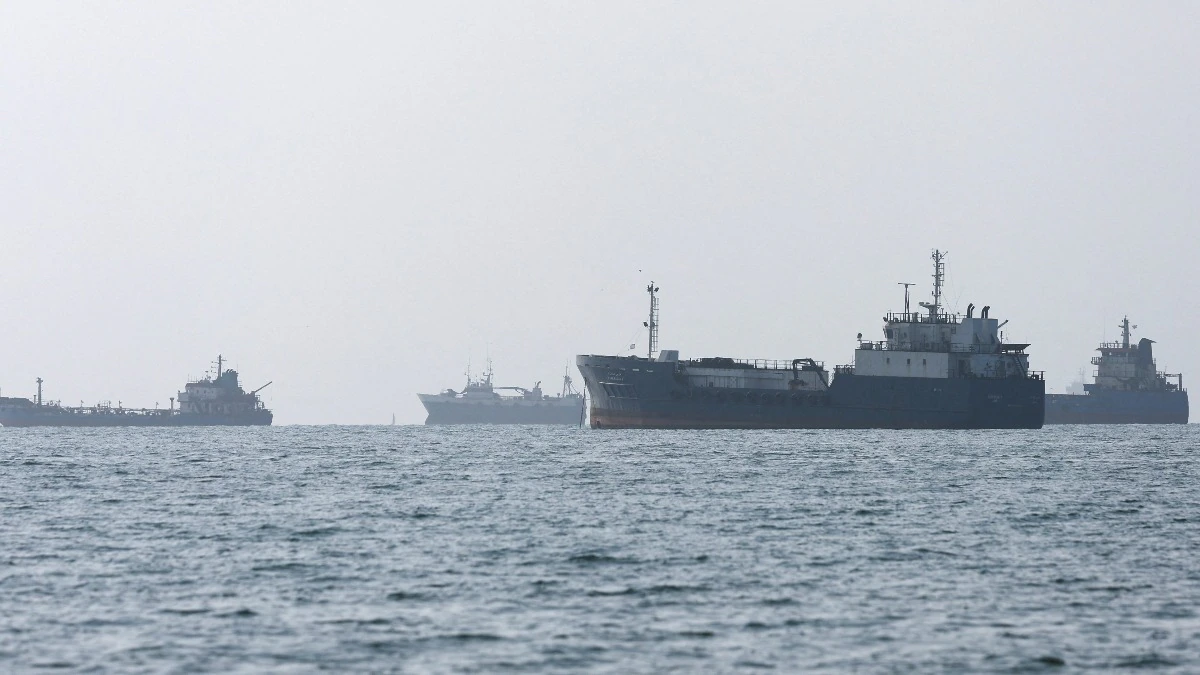
超过60个国家支持欧盟的一项宣言,反对对使用国际海峡的船只征收费用,此举正值霍尔木兹海峡局势紧张之际。这一行动表明,各国共同抵制对合法航行的限制,因为伊朗将通行权与其诉求挂钩。
Over 60 countries have backed an EU declaration opposing fees on ships using international straits amid disruption in the Strait of Hormuz. The move signals collective resistance to restrictions on lawful navigation as Iran links access to its demands.
超过60个国家联合起来,反对对通过国际水道的船只征收通行费和费用,向伊朗试图向船只收取费用以使用世界上一些最重要海上航线的做法发出了明确信号。欧盟于周一宣布了这项宣言,正值霍尔木兹海峡局势紧张之际,伊朗已对航运行动宣称控制权,并要求国际船只为通行付费。
More than 60 countries have joined forces to oppose tolls and fees on ships passing through international waterways, sending a clear message against Iran's attempts to charge vessels for using some of the world's most important maritime routes. The declaration, announced by the European Union on Monday, comes amid disruption in the Strait of Hormuz, where Iran has asserted control over shipping movements and demanded that international vessels should pay for access.
这项由所有欧盟成员国和其他33个国家(包括澳大利亚、日本、英国、加拿大和新加坡)支持的承诺,旨在根据国际法保护航行自由。宣言还警告不要采取可能限制商船通过用于国际航行的海峡的措施。
The pledge, backed by all European Union member states and 33 other countries, including Australia, Japan, the United Kingdom, Canada and Singapore, seeks to protect freedom of navigation under international law. It also warns against measures that could restrict the movement of commercial ships through straits used for international navigation.
欧盟外交与安全政策高级代表卡娅·卡拉斯宣布了这一倡议,表示各国必须反对将国际航运航线变成收入来源或政治筹码的企图。
European Union foreign policy chief Kaja Kallas announced the initiative, saying countries must oppose attempts to turn international shipping routes into sources of revenue or political leverage.
“国际航行必须对所有人开放,而非仅对付得起费用的人开放。今天,60个国家承诺反对对国际航运航线征收通行费或费用,加入我们的‘无费用、无通行费’全球承诺,”卡拉斯在社交媒体上写道,“这是向所有企图劫持水道谋取私利者发出的明确外交信号。我要感谢所有签署国,并邀请其他国家加入我们。” 宣言为何重要 国际海峡是连接更大海洋和大海的狭窄水域。它们对全球贸易至关重要,因为船只利用它们在国家之间运输石油、天然气、粮食和其他货物。
"International navigation must remain open to everyone, not to whoever can pay. Today, 60 countries pledged to oppose tolls or fees on international shipping routes by joining our "No Fees, No Tolls” global pledge," Kallas wrote on "This is a clear diplomatic signal to all those who seek to hijack waterways for their own gain. I want to thank all the countries who signed up and invite others to join us." WHY THE DECLARATION IS IMPORTANT International straits are narrow stretches of water connecting larger seas and oceans. They are essential to global trade because ships use them to transport oil, natural gas, food and other goods between countries.
霍尔木兹海峡是这些水道中战略地位最重要的之一。它位于伊朗和阿曼之间,连接波斯湾与阿曼湾及更广阔的阿拉伯海。在涉及美国、以色列和伊朗的战争于2月28日爆发之前,全球约五分之一的石油和液化天然气供应通过该海峡。
The Strait of Hormuz is among the most strategically important of these waterways. Located between Iran and Oman, it connects the Persian Gulf to the Gulf of Oman and the wider Arabian Sea. Before the war involving the US, Israel and Iran began on February 28, around a fifth of global oil and liquefied natural gas supplies passed through the strait.
对霍尔木兹海峡航运的任何限制都会直接影响远超中东地区的能源供应、运输成本和国际供应链。
Any restrictions on shipping through Hormuz directly affects energy supplies, transport costs and international supply chains far beyond the Middle East.
这份欧盟支持的宣言援引了《联合国海洋法公约》(UNCLOS),即管辖海上活动的国际框架。宣言称,各国不应引入非法费用、歧视性限制或事先授权要求,以干扰通过国际海峡的合法通行。
The EU-backed declaration invokes the United Nations Convention on the Law of the Sea (UNCLOS), the international framework governing activities at sea. It says countries should not introduce unlawful fees, discriminatory restrictions or prior authorisation requirements that interfere with lawful passage through international straits.
宣言说:“我们反对任何措施,包括征收非法费用、通行费、歧视性限制、事先授权要求或其他条件,这些措施会妨碍或损害通过用于国际航行海峡的合法航行。”
"We oppose any measures, including the imposition of unlawful fees, tolls, discriminatory restrictions, prior authorisation requirements or other conditions, that would hamper or impair lawful navigation, through straits used for international navigation," the declaration said.
这些国家还承诺通过国际机构,包括国际海事组织,来维护海上安全和基于规则的航行体系。
The countries have also pledged to work through international institutions, including the International Maritime Organisation, to protect maritime safety and a rules-based system for navigation.
伊朗宣称对霍尔木兹海峡拥有控制权 这一推动是在伊朗坚持其在持续冲突中对霍尔木兹海峡行使控制权的背景下出现的。德黑兰要求通行需缴纳费用。伊朗伊斯兰革命卫队(IRGC)指挥官顾问穆罕默德-礼萨·纳格迪表示,伊朗视为非法的过境航道即将关闭。他指的是一条靠近阿曼海岸的南部航道。
IRAN ASSERTS CONTROL OVER HORMUZ The push comes as Iran has maintained that it exercises control over the Strait of Hormuz amid the ongoing conflict. Tehran has demanded that payments should be made for access. Mohammadreza Naqdi, an adviser to the commander of Iran's Islamic Revolutionary Guard Corps (IRGC), said transit routes that Iran considers illegal would soon be closed. He was referring to a southern passage running close to Oman's coast.
纳格迪声称,这些航道是通过破坏水道中的岩石通道而形成的,并被小船用来走私石油并转运至油轮。
Naqdi claimed that the routes had been created by damaging rocky passages in the waterway and were being used by small boats to smuggle oil and transfer it to tankers.
他说:“霍尔木兹海峡已被关闭,伊朗伊斯兰共和国的武装力量已完全控制该海峡。这一状况将持续下去,直到伊朗的正当要求得到满足。”
"The Strait of Hormuz is closed, and the armed forces of the Islamic Republic of Iran have full control over it. This situation will continue until Iran's legitimate demands are met," he said.
航运数据也凸显了中断情况。根据分析公司Kpler的数据,10月6日仅有七艘商品船通过该海峡,为7月23日以来记录的最低数字。次日这一数字上升至10艘,但仍远低于周日和周一记录的20多艘。
Shipping data has also highlighted the disruption. According to analytics firm Kpler, only seven commodity vessels crossed the strait on 6 October, the lowest number recorded since July 23. The number rose to 10 the following day, but remained well below the more than 20 vessels recorded on Sunday and Monday.
战前,每天约有125艘大型商船通过该海峡。此后,对油轮的袭击、安全担忧和后勤限制扰乱了交通,尽管部分石油出口已改道其他路线。
Before the war, about 125 large commercial vessels crossed the strait each day. Attacks on tankers, security concerns and logistical constraints have since disrupted traffic, although some oil exports have been redirected through alternative routes.
这一中断使重新开放该水道的外交努力更加紧迫,但德黑兰和华盛顿在条件上仍存分歧。10月11日,伊朗安全负责人穆赫辛·雷扎伊将美国对德黑兰提出的重新开放水道七项条件的回应形容为“不充分”。他说,华盛顿接受了一些要求,但另一些仍不明确。伊朗坚持认为,在其条件得到满足之前,不会向美国重新开放该海峡。
The disruption has added urgency to diplomatic efforts to reopen the waterway, but Tehran and Washington remain at odds over the terms. On October 11, Iran's security chief, Mohsen Rezaei, described the US response to Tehran's seven conditions for reopening the waterway as "insufficient". He said Washington had accepted some demands but left others unclear. Iran has insisted that the strait will not be reopened to the US until its conditions are met.
这些条件包括结束敌对行动、解除美国的海上封锁以及解冻伊朗资产。德黑兰还寻求优先重新开放海峡并恢复海上安全,而华盛顿则希望其核关切在谈判早期得到处理。
The conditions include ending hostilities, lifting the US naval blockade and unfreezing Iranian assets. Tehran has also sought to prioritise reopening the strait and restoring maritime security, while Washington wants its nuclear concerns addressed early in negotiations.