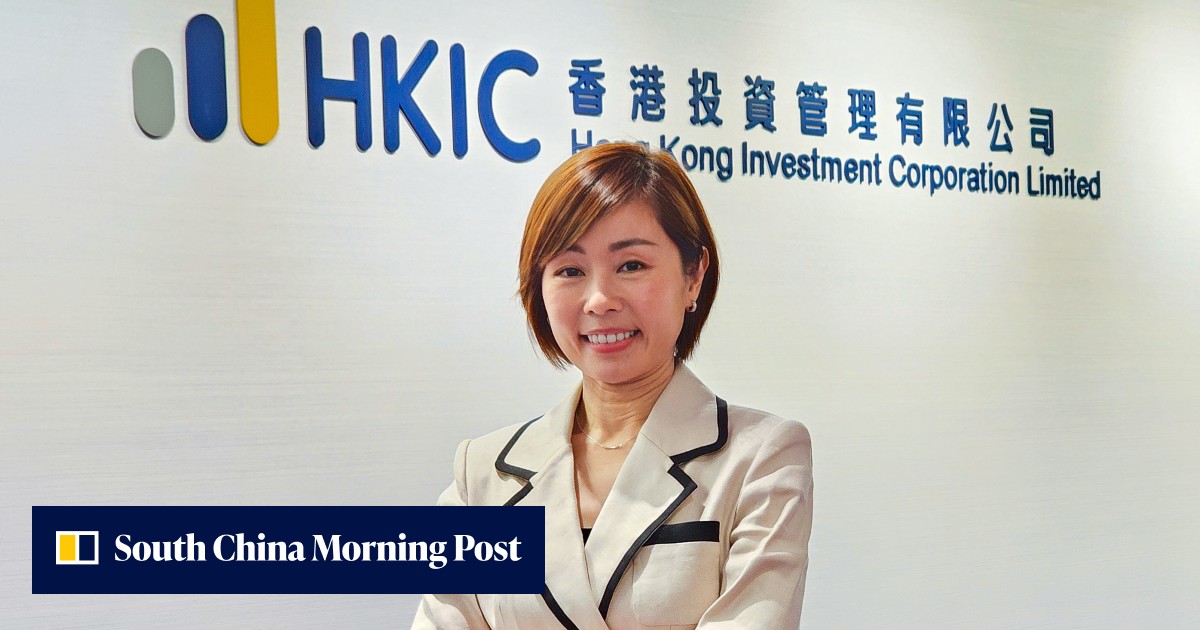
香港投资公司(HKIC)宣布,鉴于香港正致力于在首个五年规划中推动新兴产业发展,现决定将现任行政总裁陈嘉慈的任期再延长三年。
Hong Kong Investment Corporation (HKIC) has extended the tenure of its current CEO, Clara Chan Ka-chai, for another three years as the city vows to boost emerging industries in its first five-year plan.
这家由政府全资拥有的投资机构负责管理总值达620亿港元(约合79亿美元)的资金。根据周五发布的公告,陈嘉慈将继续担任行政总裁直至2029年10月。
财政司司长兼HKIC董事会主席陈茂波在公告中表示:“我期待陈嘉慈在未来三年继续领导香港投资公司,助力香港金融、创新科技及新兴产业的发展,同时推动北部都会区以及粤港澳大湾区建设。”
The wholly government-owned investment vehicle, which manages HK$62 billion (US$7.9 billion) in funds, announced that Chan would stay on as head through October 2029, according to a statement on Friday. “I look forward to Clara’s continued leadership of the HKIC over the next three years, contributing to the growth of Hong Kong’s financial sector, innovation and technology sector and emerging industries, while supporting the development of the Northern Metropolis and the Guangdong-Hong Kong-Macau Greater Bay Area,” said Financial Secretary and HKIC board chairman Paul Chan Mo-po in a statement.
获续任的陈嘉慈表示,自己将一如既往地致力于“发挥耐心资本的力量,助力香港实现长远发展”。
The reappointed CEO said she would remain committed to “harnessing the power of patient capital to support Hong Kong’s long-term development”.
她在另一份声明中称:“我坚信,在香港处于战略发展的关键时期,香港投资公司定能发挥自身优势,响应国家需求,为香港乃至国家的高质量发展作出贡献。”
“I firmly believe that amidst this pivotal window of strategic development of Hong Kong, the HKIC could play our part in leveraging Hong Kong’s strengths to serve the national needs, contributing to the high-quality development of Hong Kong and our country,” Clara Chan said in a separate statement.
今年9月中旬,行政长官李家超公布了香港首个五年规划,其中明确将加强新兴产业培育及未来产业布局作为重点内容。根据该规划,香港将借助政府资助计划,引导“耐心资本”及其他金融资源投向前沿产业与技术研发领域。
The strengthening of emerging industries and the planning for future industries were included in Hong Kong’s first five-year plan unveiled by Chief Executive John Lee Ka-chiu in mid-September. Under the plan, Hong Kong would guide “patient capital investment” and other financial resources into frontier industries and technology development, together with government funding schemes.
截至9月,香港投资公司自成立以来已投资超过200个项目,其中包括总部位于北京的人形机器人初创企业Galbot、利用人工智能技术研发药物的Insilico Medicine,以及可持续航空燃料生产商EcoCeres。
As of September, HKIC had invested in over 200 projects since its inception, including Beijing-based humanoid robot start-up Galbot, artificial intelligence-driven drug developer Insilico Medicine and sustainable aviation fuel maker EcoCeres.
陈家乐于2023年被任命为香港创新投资署的首任行政总裁。该机构由香港特区政府于2022年设立,旨在引导中长期资金助力本地创新、科技及战略性产业发展。
Chan was appointed HKIC’s first CEO in 2023, after the government-backed vehicle was established in 2022 to channel medium- to long-term funds to support the development of the city’s innovation, technology and strategic industries.
目前,620亿港元的初始资金正被分配到四个子基金,分别是“香港成长投资组合”、“粤港澳大湾区投资基金”、“战略科技基金”以及“共同投资基金”,投资领域涵盖硬科技、生物科技和新能源等。
The initial funding of HK$62 billion is being allocated to four sub-funds, including the “Hong Kong Growth Portfolio”, “Greater Bay Area Investment Fund”, “Strategic Tech Fund”, and “Co-Investment Fund”, with themes covering hard technology, biotech and new energy.
陈家乐在早前的一场活动中透露,截至8月,香港创新投资署投资组合中已有11家企业成功在本地证券交易所上市;另有30家企业已提交上市申请或计划于今年在港上市。
As of August, 11 firms from HKIC’s portfolio had gone public on the local bourse, with 30 more having applied or planning to apply for a listing in the city this year, Chan said at an earlier event.
被誉为“香港版淡马锡”的香港创新投资署表示,每投入1港元,便能吸引超过8港元来自全球各类机构投资者的资金,这些投资者包括主权基金、养老基金、家族办公室以及大学基金等。
Dubbed Hong Kong’s version of Singapore’s Temasek Holdings, HKIC said that for every Hong Kong dollar it invested it had attracted more than HK$8 from global institutional investors including sovereign funds, pension funds, family offices and university funds.
根据该机构7月份发布的第二份年度报告,去年其营业利润同比增长181%,达到63亿港元;总资产规模也同期增长9%,达697亿港元。报告还首次披露了内部净收益率数据,为14%。
Last year, HKIC’s operating profit surged 181 per cent year on year to HK$6.3 billion, while total assets expanded 9 per cent to HK$69.7 billion over the same period. The net internal rate of return, which was disclosed for the first time, stood at 14 per cent, according to the investment vehicle’s second annual report released in July.