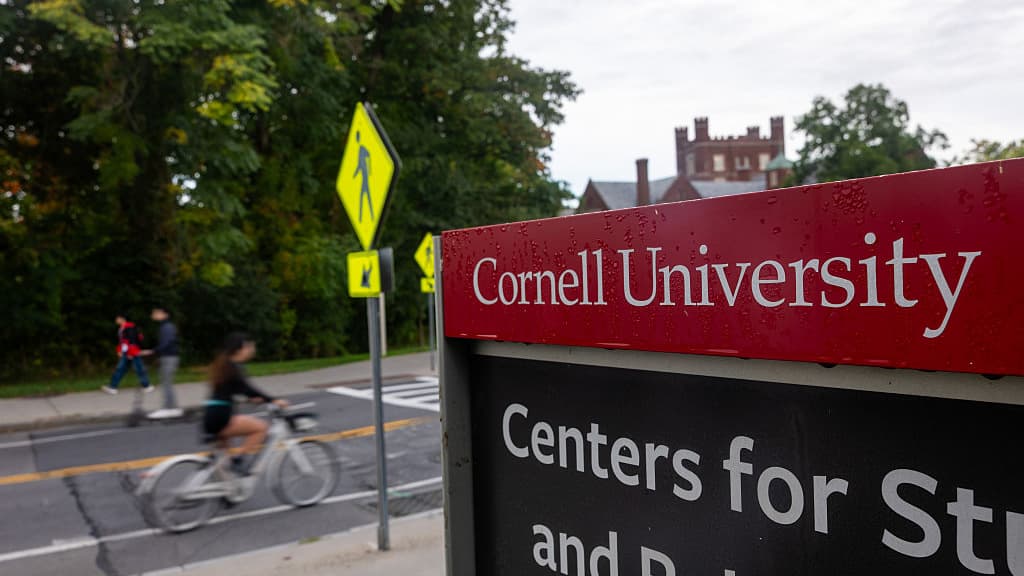
2024年9月16日,康奈尔大学一名学生向该校、兄弟会和姐妹会提起诉讼,指控她于2024年遭七名兄弟会成员下药并轮奸。指控令人发指。但同样令人不安的是,诉讼描述了事发后的情况:一名幸存者向本应保护她的体系寻求帮助,却一次次发现自己被辜负了。
On Sept. 16, a student at Cornell University filed a lawsuit against the university, fraternities, and sororities after she was allegedly drugged and gang-raped by seven fraternity brothers in 2024. The allegations are horrifying. But just as troubling is what the lawsuit describes afterward: a survivor seeking help from the systems meant to protect her and finding, again and again, that she was failed.
到了2026年,我们依然在追问:这怎么会发生?康奈尔案不仅关乎一起诉讼中指控的行为。它关乎预防、调查和问责的更广泛失效——这是性暴力幸存者在校园内外屡屡遭遇的困境。
In 2026, we are still asking how this happened. The Cornell case is not only about the conduct alleged in one lawsuit. It is about a broader failure of prevention, investigation, and accountability—one that survivors of sexual violence encounter far too often, on campuses and far beyond them.
近十年来,我一直与那些做出极其艰难决定、分享自己故事的幸存者并肩同行。其中一些人成为了全国性反思的公众面孔。更多人选择保持匿名,因为他们害怕报复、打击报复、不被相信,或因公开曝光而承担永久后果。他们的名字未曾登上头条。他们的痛苦却同样真实。
For nearly a decade, I have worked alongside survivors who made the extraordinarily difficult decision to share their stories. Some became public faces of national reckonings. Many more remained anonymous, fearful of backlash, retaliation, disbelief, or the permanent consequences of public exposure. Their names did not make headlines. Their pain was no less real.
我了解到,幸存者往往不止一次被辜负:首先是伤害他们的人,然后是本应预防、调查和应对性暴力的体系。
What I have learned is that survivors are often failed more than once: first, by the person who harms them, and then by the very systems that are supposed to prevent, investigate, and respond to sexual violence.
诉状中涉及康奈尔校园的指控令人深感不安,且新指控仍在不断涌现。同样令人不安的是,据报道,这名年轻学生事后遭遇了怎样的对待。根据她的诉状和新闻报道,所谓的性侵涉及药物、多名施暴者和数字证据。诉状对案件报告后是否经过彻底调查提出了严重质疑。这应引起每一位家长、学生、大学校长和公职人员的关注,不仅因为它发生在一所名校,更因为这种失效可能发生在任何地方。
The allegations in the complaint involving Cornell's campus are deeply disturbing, and new ones continue to emerge hour by hour. Just as disturbing is how this young student was reportedly failed afterward. According to her lawsuit and news accounts, the alleged assault involved drugs, multiple perpetrators, and digital evidence. The complaint has raised serious questions about whether the case was thoroughly investigated after it was reported. That should concern every parent, student, university administrator, and public official, not simply because it occurred at an elite university, but because these failures can occur anywhere. We must start with prevention.
我们必须从预防做起。同意不是一个打勾的选项。它必须是自愿的、知情的、持续的且自由给予的。当一个人处于无行为能力状态时,同意不存在;且同意可以随时撤回。
Consent is not a box to check. It must be voluntary, informed, ongoing, and freely given. It cannot exist when a person is incapacitated, and it can be withdrawn at any time. So how did young men come to believe this was acceptable? As a society, we have failed to educate young people about consent, respect, and the gravity of sexual violence.
那么,年轻男性是如何认为这种行为可以接受的?作为一个社会,我们未能教育年轻人了解同意、尊重以及性暴力的严重性。这种教育必须在大学前开始;我们不能等到他们踏入校园才开始。
That education must begin before college; we cannot wait until they arrive on campus. College students need more than a single orientation presentation they forget by October. Schools should provide sustained, practical education about consent, coercion, alcohol and drugs, healthy relationships, and bystander responsibility.
大学生需要的不仅仅是一个到了十月就忘得一干二净的迎新演讲。学校应提供持续、实用的教育,内容涵盖同意、胁迫、酒精和药物、健康关系以及旁观者责任。但CBS新闻纽约分台获得的记录显示,在2024年11月与康奈尔大学校警的一次访谈记录中,简·多伊告诉官员:“我可以100%确定我被强奸了。”
But education and prevention alone are not enough. Institutions must have protocols to ensure justice when prevention fails. On Sept. 18, 2026, in response to recent community outrage over how the case was handled, Tompkins County District Attorney Matthew Van Houten issued a statement explaining why his investigation resulted in a lack of criminal charges. Jane Doe’s credibility “was never in question,” he wrote, explaining that the initial sworn statement shared with the DA, which was reviewed by “multiple prosecutors and criminal investigators,” did not include the full information provided in Jane Doe’s 2026 civil suit. Transcript records, obtained by CBS News New York, from a November 2024 interview with Cornell campus police indicate that Jane Doe told officials, "I can say with 100% confidence I was raped."
范·豪滕此后表示,他从未见过该记录。“如果她说了那些话,我们当然会想进一步深究,”他告诉CBS。“就像我说的,那没有提供给我。”
Van Houten has since stated that he was never shown the transcript. "If she had said those words, we certainly would want to have explored that more," he told CBS. "Like I said, that wasn't provided to me."
这表明,对性侵犯报告的回应必须以创伤知情和循证为基础。幸存者可能不会一次性透露一切。他们的记忆可能以碎片形式浮现。他们可能会犹豫、颠倒事件顺序,或难以清晰表述发生了什么。这些并非自动意味着欺骗的迹象;它们可能是创伤公认的效应。我亲眼目睹过这种情况,无论是个人层面还是在与温斯坦案幸存者的专业接触中。
This demonstrates why the response to reports of sexual assault must be trauma-informed and evidence-based. Survivors may not disclose everything at once. Their recollections may emerge in fragments. They may hesitate, change the order of events, or struggle to articulate what happened. Those are not automatic signs of deception; they can be well-recognized effects of trauma. I have seen it firsthand, personally and professionally with Weinstein survivors.
处理性侵犯案件的检察官和调查人员必须接受强制性的创伤知情培训。他们必须懂得如何保全证据、询问证人、评估数字记录,并在调查时不让关于“可信”受害者应如何表现的陈旧假设主导结果。
Prosecutors and investigators handling sexual assault cases must receive mandatory trauma-informed training. They must know how to preserve evidence, interview witnesses, assess digital records, and investigate without allowing outdated assumptions about how a “credible” victim should behave to dictate the outcome.
大学负有同等紧迫的责任。性侵犯报告不能被视为一个公关问题而悄悄压下。机构需要独立的调查人员、清晰的程序、对投诉人的实质性支持,以及在优先保障校园安全的前提下对所有当事人公平的流程。当公正的程序认定学生对性侵犯负责时,后果必须足够严重,以保护社区并表明暴力不会被容忍。此外,第九条政策和程序也应接受审查和强化,以确保投诉得到公平、及时且有效的处理。
Universities have an equally urgent responsibility. A sexual-assault report cannot be treated as a public-relations problem to contain quietly. Institutions need independent investigators, clear procedures, meaningful support for complainants, and processes that are fair to all parties while prioritizing campus safety. When an impartial process finds a student responsible for sexual assault, the consequences must be serious enough to protect the community and demonstrate that violence will not be tolerated. And Title IX policies and procedures should likewise be reviewed and strengthened to ensure that complaints are handled fairly, promptly, and effectively.
公众问责同样至关重要。当受害者决定公开自己的遭遇时,他们理应获得法律、沟通及制度层面的支持。这种支持能带来巨大的变革:他们不再是孤立无援的个体。他们的经历经由新闻报道与公众讨论得以传播,进而形成一种机构无法忽视的社会压力,促使他们成为一场变革运动的一部分。
Public accountability also matters. When survivors decide that speaking publicly is right for them, they deserve legal, communications, and institutional support. This creates a powerful transformation. They are no longer isolated voices. Their experiences, amplified through journalism and public discourse, create pressure that institutions cannot ignore. They become part of a movement. This is how cultural change happens.
文化变革正是如此发生的:一位受害者公开发声,她的故事引发共鸣,其他人也因而鼓起勇气站出来。立法者、高校管理者及检察官们随即面临无法逃避的公众监督。话题也从私下流传的指控演变为全国性新闻热点,从机构的掩盖行为转变为刑事调查。
A survivor speaks publicly. Her story resonates. Others find courage to come forward. Lawmakers, university administrators, and prosecutors suddenly face inescapable public scrutiny. The conversation shifts from whispered allegations to national headlines, from institutional cover-ups to criminal investigations.
任何受害者都不应为了获得信任而被迫公开身份;任何受害者都不应非得成为全国瞩目的新闻人物才能得到妥善调查。任何高校也不应等到新闻曝光后才去履行其本应履行的职责。
No survivor should have to go public to be believed. No survivor should have to become a national story to receive a competent investigation. And no college should wait for headlines to do what it was obligated to do from the start.
康奈尔大学发生的疑似事件提醒我们:仅有意识觉醒远远不够,行动才是关键。多年来我们一直在探讨性暴力、 consent(自愿同意)以及机构的问责责任。如今我们对创伤的认知已远超十年前,也制定了诸多政策、配置了相关资源并建立了法律框架来切实解决问题。唯独欠缺的是持之以恒付诸实践的决心。
The alleged events at Cornell remind us that awareness alone is not action. We have spent years talking about sexual violence, consent, and institutional accountability. We know more about trauma than we did a decade ago. We have policies, resources, and legal frameworks that can make a difference. What has been missing is the will to use them consistently.
受害者理应拥有这样的机构:它们尽可能预防伤害发生,在伤害出现时迅速有效应对,且绝不以牺牲安全、尊严与正义为代价来维护自身声誉。到了2026年,我们实在不该还在追问“为何会如此”。我们绝不能再让受害者失望。无论是机构还是个人,我们都必须做得更好。
Survivors deserve institutions that prevent harm where possible, respond effectively when harm occurs, and refuse to protect reputations at the expense of safety, dignity, and justice. We should not still be here in 2026, asking why. We cannot continue to let survivors down. We all must do better—institutions and individuals alike.