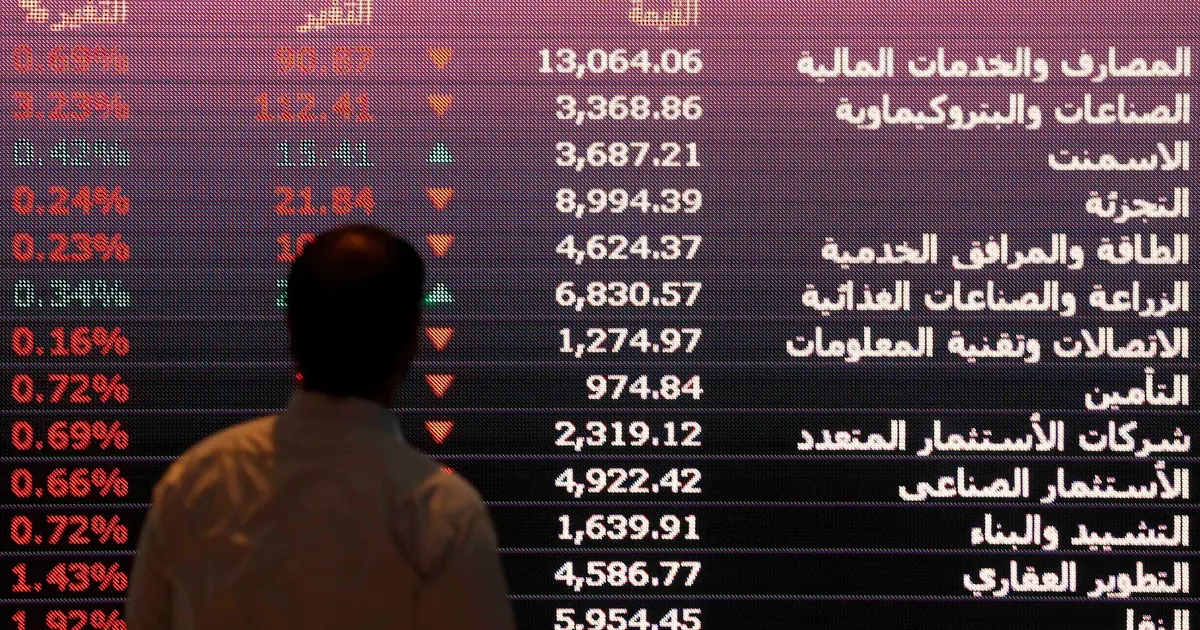
Matthew的观察:沙特阿拉伯新任股市监管负责人经历了旋风般的几周。Mazen Al-Sudairi正主导资本市场管理局规则的大修,这是自2015年该国向外国投资者开放股市以来,王国最大规模的改革之一。
Matthew’s view Saudi Arabia’s recently appointed stock market regulator has had a whirlwind few weeks. Mazen Al-Sudairi is leading an overhaul of the Capital Market Authority’s rules, one of the kingdom’s biggest revamps since it opened its stocks to foreign investors in 2015.
这一转变——从排斥所谓的“热钱”转为争取外资——对于提升该市场的全球地位、引入外资以助力穆罕默德·本·萨勒曼王储的经济转型计划至关重要。
That shift, from shunning so-called “hot money” to courting foreign capital, was essential to boosting the market’s global importance and bringing in foreign cash to help fund Crown Prince Mohammed bin Salman’s economic transformation program.
不过,身处利雅得的银行家和律师担心,最新的改革举措非但可能无法推动Tadawul(沙特证券交易所)的复苏,反而可能阻碍其发展。
Bankers and lawyers here in Riyadh worry, though, that the latest effort, rather than fueling a revival of the Tadawul, may hamper it.
沙特股市——在经历了多年的牛市后于2022年见顶回落——自伊朗战争爆发以来已反弹,并跑赢了该地区同行,得益于王国出口原油的能力。但自2月28日以来,该指数仍下跌了3%,而同期MSCI新兴市场指数上涨了6%。总体而言,估值下降加上战争因素,加剧了悲观情绪,令新上市计划搁浅。政府需要一个繁荣的市场来出售其国内投资组合,并将资本循环投入新业务。
Saudi stocks — which saw a multiyear bull run end in 2022 — have rebounded since the Iran war broke out and outperformed peers in the region thanks to the kingdom’s ability to export crude. But the index is still down 3% since Feb. 28, while the MSCI Emerging Markets Index rose 6% in the same period. Overall, falling valuations, compounded by the war, have added to the poor sentiment and put off new listings. The government needs a thriving market to offload its domestic portfolio and recycle the capital into new ventures.
投资者原本预期,在放宽外资持股限制的承诺下市场将复苏。然而,监管机构却将目光转向了上市规则,旨在吸引成熟、管理良好的公司上市——重质量而非数量。
Investors had anticipated a recovery on promised changes to foreign ownership limits. Instead, the regulator turned its attention to listing rules, aiming to attract mature, well-run companies onto the stock exchange — quality over quantity.
这些提案目前处于征求意见阶段,最终定案前可能会有变动,但批评人士(均不愿具名,担心遭到打击报复)警告称,诸如“硬包销”等要求——迫使银行承担更多IPO风险——可能会推迟已在管道中的交易。小型银行可能无法参与该流程,甚至大型银行起初也可能对未经考验的新规则持观望态度。
The proposals are under consultation and could change before they are finalized, but critics (none of whom would go on the record, fearing reprisal) warn that requirements such as hard underwriting, which forces banks to take on more IPO risk, could delay deals already in the pipeline. Smaller banks may not be able to participate in the process and even large ones may initially be wary of untested new rules.
这正是沙特资本市场管理局(CMA)面临的困境:通过剔除那些尚未准备好进入公开市场的上市项目——根据近期许多IPO的表现来看,确实有不少并未准备好——监管机构可能最终会抑制IPO活动,并最终拖低估值,而不是恢复手握表现不佳投资组合的本地投资者的信心。
Therein lies the CMA’s dilemma: By weeding out listings that aren’t ready for public markets — and many weren’t, based on the performance of many recent IPOs — the regulator could end up depressing IPO activity and ultimately dragging down valuations, instead of restoring confidence among local investors sitting on underperforming portfolios.
据Semafor报道,沙特阿拉伯的股市监管机构正在调查近期IPO表现不佳的原因,包括调查投资银行提供的建议,因为它试图重启新上市项目。
Notable Saudi Arabia’s stock market regulator is investigating the poor performance of recent IPOs, including looking into the advice given by investment banks as it tries to kick-start new listings, Semafor reported.