一个多世纪以来,中东一直通过一个狭窄而熟悉的镜头进入西方电影观众的视野:琥珀色的滤镜,拥挤的集市上祈祷的召唤,以及没有人费心去字幕的大胡子男人。正如YouTube频道Wave Media在最近的一篇视频文章中所观察到的那样,这样的人物“不是人物,而是天气”--主角(通常是英勇但矛盾的美国士兵或间谍)必须为生存而战的敌对地形。
For more than a century, the Middle East has reached Western cinema audiences through a narrow and familiar lens: the amber filter, the call to prayer laid over a crowded bazaar, and bearded men shouting lines no one bothers to subtitle. As the YouTube channel Wave Media observes in a recent video essay, such figures “are not characters, they’re weather” – the hostile terrain in which a protagonist, usually a heroic but conflicted American soldier or spy, must fight to survive.
一部卖座的中国电影提出了一个颠覆性的问题:当镜头把那些当地人当作人,而不是他们自己土地上的外来物体时,会发生什么?
A blockbuster Chinese film now asks a subversive question: what happens when the camera treats those locals as people rather than foreign objects in their own land?
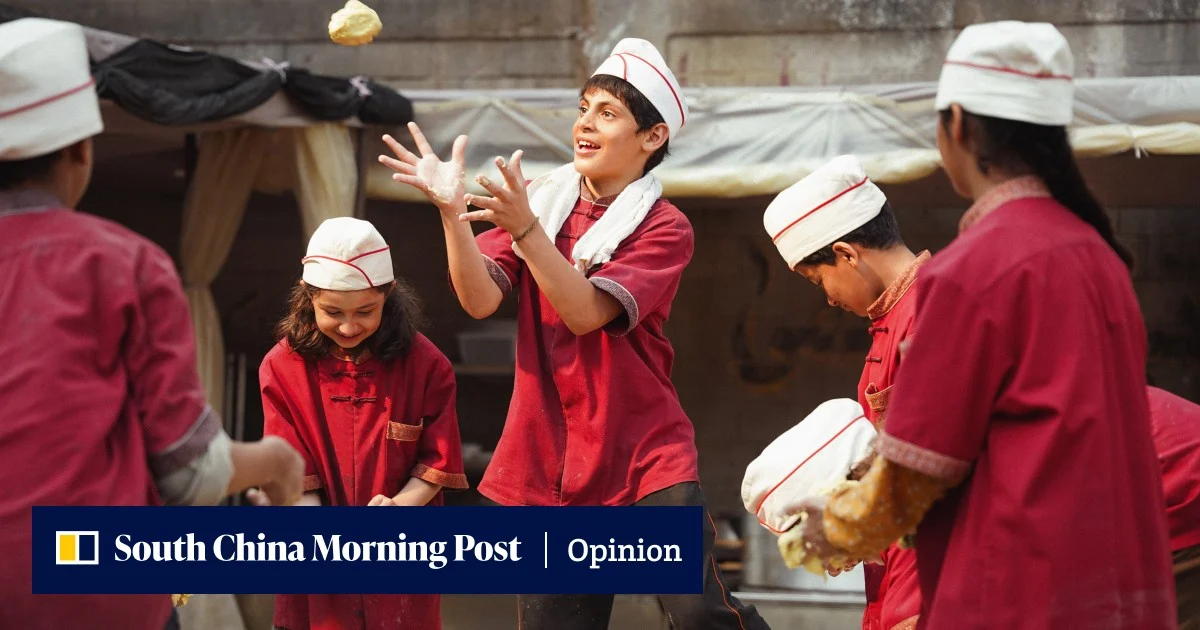
《中东往事》(中文名为《欢迎来到龙餐厅》)由《求生不得已》的温牧野执导,沈腾饰演负债累累的厨师徐福,他在一个虚构的中东城市的餐厅成为平民和孤儿的避难所。这场战争实际上就是2003年美国入侵伊拉克。温家宝借鉴了陈献忠等巴格达中餐馆老板的经验。
Once Upon a Time in the Middle East (or Welcome to Dragon Restaurant in Chinese) is directed by Wen Muye, of Dying to Survive fame, and stars Shen Teng as Xu Fu, a debt-laden chef whose restaurant in a fictional Middle Eastern city becomes a sanctuary for civilians and orphans. The war is, in all but name, the 2003 US invasion of Iraq. Wen drew on the experiences of Chinese restaurateurs in Baghdad such as Chen Xianzhong.
中东电影制片人--从伊朗电影到纳丁·拉巴基的《迦百农》和哈尼·阿布·阿萨德的《现在的天堂》--长期以来一直以复杂性和敏感性描绘自己的地区。这里的新奇之处在于,来自外部力量的商业大片并没有将当地人视为无名的道具、恶棍或受害者。
Middle Eastern filmmakers – from Iranian cinema to Nadine Labaki’s Capernaum and Hany Abu-Assad’s Paradise Now – have long depicted their own region with complexity and sensitivity. The novelty here is that a commercial blockbuster from an outside power declines to exoticise the locals as nameless props, villains or victims.
这一直是美国电影的默认模式。已故学者、文章、书籍和纪录片《卷轴坏阿拉伯人:好莱坞如何诽谤一个民族》的作者杰克·沙欣(Jack Shaheen)表示,1896年至2000年间制作的900多部好莱坞电影中,绝大多数都将阿拉伯人贬低为酋长、恐怖分子和肚皮舞演员。据他统计,只有5%的阿拉伯角色描绘了正常人。
That has been the default mode of American cinema. According to Jack Shaheen, the late scholar and author of the essay, the book and the documentary, Reel Bad Arabs: How Hollywood Vilifies a People, the vast majority of more than 900 Hollywood films produced between 1896 and 2000 reduced Arabs to sheikhs, terrorists and belly dancers. By his count, only 5 per cent of Arab roles depicted normal human beings.
他写道,电影制作者“错误地将所有阿拉伯人都视为穆斯林,又将所有穆斯林都视为阿拉伯人”。在他们扭曲的视角下,阿拉伯人被刻画成“残忍无情、未开化且狂热宗教分子,是痴迷于金钱的‘异类’,一心想要恐吓西方文明世界的人们,尤其是基督徒和犹太人”,或是“虐待妇女的人”。
He wrote that moviemakers “falsely project all Arabs as Muslims and all Muslims as Arabs”. Their distorted lenses have shown Arabs as “brutal, heartless, uncivilised religious fanatics and money-mad cultural ‘others’ bent on terrorising civilised Westerners, especially Christians and Jews”, or as “abusers of women”.
他将长着鹰钩鼻的阿拉伯人这一刻板形象,与纳粹宣传材料中对犹太人的类似描绘相类比。
He compared the stereotype of the hook-nosed Arab with a similar depiction of Jews in Nazi propaganda materials.
这种批判同样适用于“9·11”事件后的电影。Wave Media的撰稿人金智媛指出,即便像《拆弹部队》《美国狙击手》《猎杀本·拉登》这样会自我反思的美国电影,依然把中东地区当作美国人在其中经历道德危机的舞台。
This critique extends to post-9/11 cinema. Self-questioning American films such as The Hurt Locker, American Sniper and Zero Dark Thirty, Wave Media essayist Jiwon Kim argues, still treat the region as the stage on which Americans endure their moral crises.
“即便是那些质疑战争、声称事情远比表面复杂的电影,也是通过要求观众对施暴者产生共情来实现这一目的的,”她说。“于是,作为观众的我们,被要求去感受那个踢开房门的士兵所承受的创伤。而房门后的那些人,却依旧只是背景板般的存在。”诚然,即便是来自帝国主义国家的真正艺术家,也会面临不同视角间的道德冲突问题。就连伟大的阿尔贝·加缪也曾因被指对阿尔及利亚独立运动抱有殖民主义倾向而遭到批评。
“Even the films that question the war, that say it’s more complicated than you think, do so by demanding empathy for the perpetrators,” she says. “And so, we, the audience, are asked to feel the trauma of the soldier who kicked down the door. The people behind the door are still part of the furniture.”Admittedly, there is a moral problem of conflicting perspectives even for genuine artists from an imperialist power. Even the great Albert Camus was criticised for his alleged colonial sympathy against Algerian independence.
与好莱坞电影不同,文晏的这部影片并未将暴力场面当作奇观来呈现,而是以令人恐惧的方式刻画——惊慌失措的人群、避难所中充满不确定性的夜晚。影片中反复出现的“好好吃饭”这句台词,呼应了视频中一位伊拉克记者的话:对于经历过战争的人们而言,“能坐下来安心吃上一顿饭,本身就是一种奢侈。”
Unlike Hollywood, Wen’s film depicts violence not as spectacle but with dread – the chaos of a panicked crowd, the uncertainty of a night in a shelter. Its refrain, hao hao chi fan – eat well – echoes the words of an Iraqi journalist quoted in the video: for those who lived through the war, “sitting down to eat one peaceful meal is in and of itself a luxury”.
视频文章认为,战争电影通常反映了他们国家的外交政策语法。它将华盛顿对伊拉克战争不断变化的理由与习近平主席2016年在阿拉伯联盟的讲话形成对比,他在讲话中宣布“我们不是在中东寻找代理人,而是促进和平谈判”。金正日承认,中国主角最终拯救阿拉伯儿童的方式令他感到不安,并指责中国将自己塑造成“米色的白色救世主”。不过,最后,徐翔唯一的收获就是回家吃饭,而最后的形象属于一个孤儿,长大了,经营着自己的餐馆。
The video essay argues that war films generally mirror their nation’s foreign policy grammar. It contrasts Washington’s shifting justifications for the Iraq war with President Xi Jinping’s 2016 speech at the Arab League, in which he declared that “instead of looking for a proxy in the Middle East, we promote peace talks”. Kim admits discomfort with how a Chinese protagonist ultimately rescues Arab children, raising the charge of China casting itself as “the white saviour in beige”. In the end, though, Xu’s only reward is to go home to dinner, and the final image belongs to an orphan, grown up and running his own restaurant.
《南华早报》的影评人詹姆斯·马什认为这部电影“夸夸其谈”;大陆官方媒体公开将其定性为中国外交价值观的表达。北京公开宣称的不干涉政策与美国长期以来以传播民主和自由的名义进行战争和破坏的历史形成鲜明对比。
The South China Morning Post’s film reviewer James Marsh found the film “bombastic”; mainland state media have openly framed it as an expression of Chinese diplomatic values. Beijing’s professed policy of non-interference contrasts with America’s long history of war and destruction in the name of spreading democracy and freedom.
联合国儿童基金会估计,超过4.73亿儿童(全球超过六分之一)生活在冲突或战区。
Unicef estimates that more than 473 million children – over one in six worldwide – live in conflict or war zones.
无论一个故事来自好莱坞、中国还是其他任何地方,道德测试都应该是:银幕上的人是否被赋予了优先权和代理权?一部中国电影让人耳目一新,这在很大程度上说明了西方观众的饮食习惯。
Whether a story comes from Hollywood, China or anywhere else, the moral test should be: are the people on screen granted interiority and agency? That a Chinese film feels refreshing says much about the diet Western audiences have been fed.