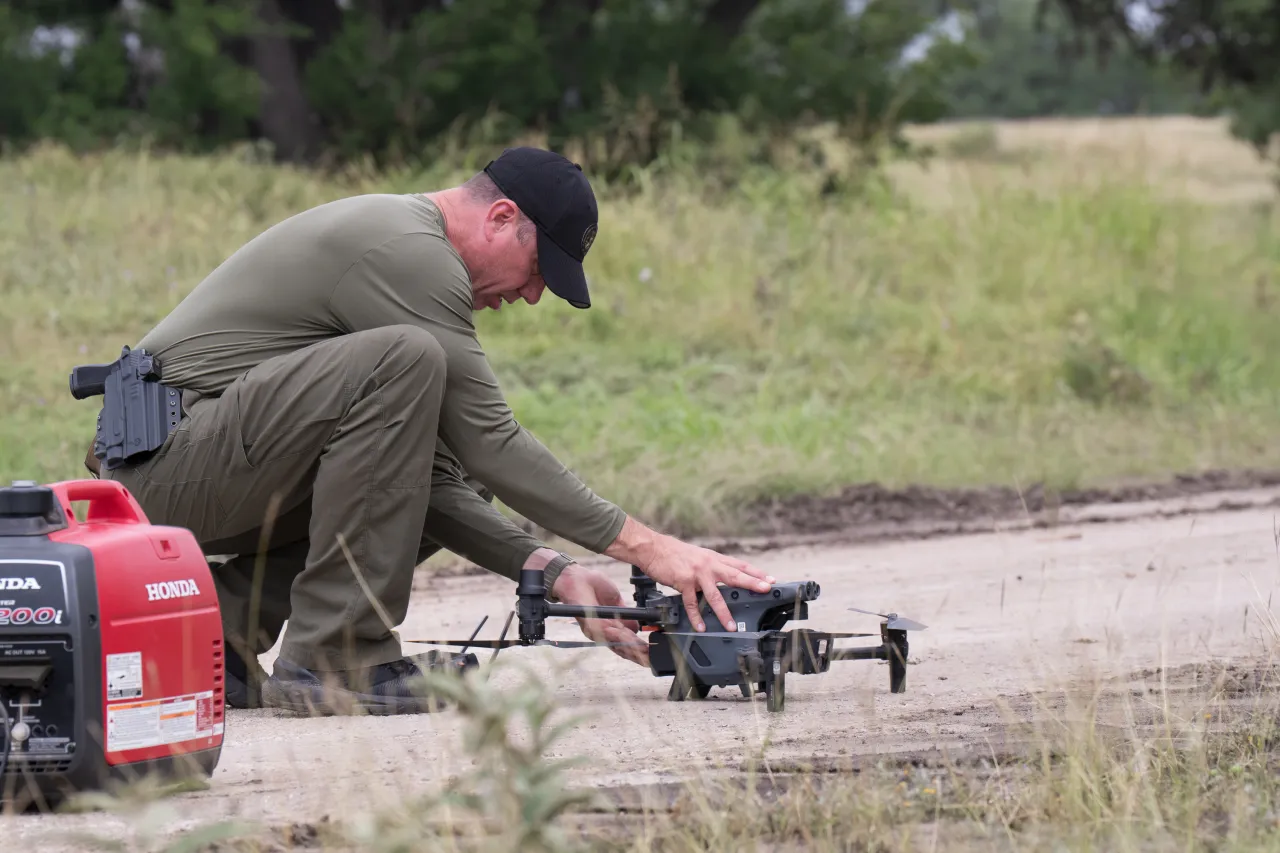
当有人迷失在荒野中时,时间就是生命。对于偏离路线徒步者或未能按时返回的雪地摩托骑行者而言,短短几分钟就可能决定生死——尤其是在气温骤降的夜晚。对于我和犹他州韦伯县搜救队的同事们来说,无人机彻底改变了我们的工作方式。不过遗憾的是,华盛顿正在审议的一项提案可能会限制我们购买无人机的能力,进而影响全美各地类似我们这样的搜救团队。
When someone is lost in the wilderness, time is of the essence. A few minutes can mean the difference between life and death for a hiker who wanders off the trail or a snowmobiler who doesn’t make it back — particularly at night, when temperatures plummet. Drones have been a game-changer for my team at Weber County Search and Rescue here in Utah, but unfortunately, a proposal under consideration in Washington, could cut off our ability to buy them, and hurt search and rescue teams like mine all across the country.
在这片山区,无人机从根本上改变了我们的救援模式。多亏了这项新技术,我们如今能挽救更多生命,也能让救援人员更快、更安全地回到家人身边。两年前,一名单板滑雪者在天黑后于诺斯福克地区偏离了常规路线并失踪。当时他的皮肤上已开始结霜,我们立刻派出搭载热成像相机的无人机进行搜寻。仅用10分钟我们就锁定了他的位置,而若依靠地面搜救队在黑暗中寻找或调遣直升机,则需要耗费数小时。
Here in the mountains, drones have fundamentally transformed the way we conduct rescues. We save more lives and get rescuers back home to their families faster and safer than ever before, thanks to this new technology. Two years ago, a snowboarder went missing in North Fork, off the trail, after dark. As ice started to form on his skin, our team launched a drone with a thermal camera. We had eyes on him in just 10 minutes, compared to the hours it would have taken ground teams searching in the dark or to get a helicopter up in the air.
据我估算,仅我们团队就在类似情况下挽救了25至30条生命,还将平均搜救时间从4个半小时缩短至不足1小时。即便资源有限,我们依然取得了这样的成效。一架直升机的购置成本动辄数百万美元,这还不包括机组人员、燃油以及应急准备所需的开支。而我们仅花费约9万美元就购置了12架无人机,这一成本仅为直升机的零头,却为我们带来了至关重要的空中救援能力。
I estimate that my team alone has saved between 25 and 30 lives in situations just like this, and we have cut our average search time from four and a half hours to less than one hour. We have also been able to do it with limited resources. A helicopter can cost millions of dollars — and that’s just to buy the aircraft, not even factoring in the cost for crew, fuel or having it ready to go when an emergency arises. We were able to purchase our whole fleet of 12 drones for roughly $90,000, a fraction of the cost, and well worth it for the lifesaving air capability they provide.
然而最近,美国联邦通信委员会提出一项提案,拟将我们使用的大多数无人机归类为“军用级”设备,其中就包括那架曾救下单板滑雪者性命的热成像无人机。
Yet recently, the Federal Communications Commission put forward a proposal that would categorize most of the drones we use as “military-grade” equipment, including the thermal drone that saved that snowboarder’s life.
他们的逻辑是:热成像技术对于搜寻失踪人员至关重要,而激光雷达则能帮助无人机避开树木、悬崖等障碍物——基于这些功能,他们便认定普通美国民众不应被允许购买这类无人机。我虽不敢自称政策专家,但我清楚自家无人机的性能,也明白哪些技术能在高风险的救援场景中发挥作用,哪些则不然。遗憾的是,目前市面上美国制造的无人机还达不到这一水平:它们的价格是我方产品的三到八倍,性能却不到后者的一半——飞行时间更短、热成像传感器灵敏度更低,在强风或低温等恶劣天气条件下的表现也远不如我方产品。
Their reasoning is that capabilities such as the thermal imaging essential in missing persons searches and LiDAR, which helps the drone avoid obstacles such as trees and cliff faces, somehow means the drone should not be available to everyday Americans for purchase. I don’t pretend to be a policy expert, but I do know what my drones can do, and I know the difference between what works in a high-stakes rescue situation and what doesn’t. Unfortunately, the American-made drones on the market just aren't there yet. They cost three to eight times as much and deliver less than half the capacity of our models, including shorter flight times, weaker thermal sensors and less reliable performance in inclement weather conditions, such as high winds or cold temperatures.
我亲自测试过这些无人机,没有一款能媲美我们团队目前使用的机型。当然,我衷心希望美国无人机产业能够蓬勃发展,我们所有人都理应如此。但如果这项提案最终通过,受最大影响的并非外国制造商,而是那些无力承担救命设备价格暴涨、又无法信赖在生死关头可能失灵的无人机的偏远县镇及志愿救援队。近年来,各类无人机限制政策已让我们倍感压力,而联邦通信委员会此次提出的提案更是变本加厉,直接针对的就是搜救团队最急需的工具。
I have tested them, and none have been able to match what my team’s current fleet can do. Of course I want to support a strong American drone industry. We all should. But if this proposal goes through, foreign manufacturers aren’t the ones hurt most. It’s the small counties and volunteer teams that cannot absorb a massive price hike on life-saving equipment, or cannot trust drones that don’t deliver when lives are on the line. Already, we have been pressured by restrictions on drones in recent years, and this latest proposal out of the FCC goes even further by targeting the exact tools that search and rescue teams need most.
我们的担忧绝非个例:据Pilot Institute的分析,在所有反馈意见中,有98.6%都反对该提案,仅有16条意见表示支持,其中不少就来自和我所在机构类似的救援组织。我诚挚邀请华盛顿的任何对这种性能差距心存疑虑的决策者,来犹他州实地参观:亲眼看看这些无人机如何挽救生命,看看我们如何利用它们执行任务,看看它们能发现哪些地面救援队根本无法察觉的线索,也看看整个救援过程有多高效。
We aren’t alone in our concerns, either — an analysis by the Pilot Institute found that 98.6 percent of comments opposed the proposal, with just 16 comments in support. A significant number of these are from agencies just like mine. I invite any policymaker in Washington who is skeptical of how stark the difference is to come visit us in Utah and see for yourself how these drones save lives. See how we fly these missions, see what we can spot with the drones that would be invisible to rescue teams on the ground, and see how quickly we can do it.
请对比查看这些美国无人机与那些你想要禁止的设备有何区别。对比之后,你便会思考:如果自己的家人被困在深山之中,你希望救援队配备什么样的装备?为何要剥夺我们使用这些无人机的权利呢?它们可是我们将人员安全救回的唯一希望啊。凯尔·诺德福斯是犹他州北部韦伯县搜救队的无人机团队协调员,同时担任山地救援协会的无人机委员会主席,该协会下辖北美地区90多个搜救队。他拥有25年的航空从业经验,目前还是美国一家老牌航空公司的波音737机长。
See side-by-side how the American drones match up to the equipment you want to ban. Once you do, you will ask yourself what equipment you would want the rescue team to have if it was your own family lost in the mountains — and why anyone would want to take these drones out of our hands when they are the best chance we have to get people home safely. Kyle Nordfors is the sUAS Team Coordinator for Weber County Search and Rescue in Northern Utah and the UAS Chairman for the Mountain Rescue Association, covering more than 90 Search and Rescue teams in North America. A 25-year aviation veteran, he is also a current Boeing 737 Captain for one of America’s legacy airlines.