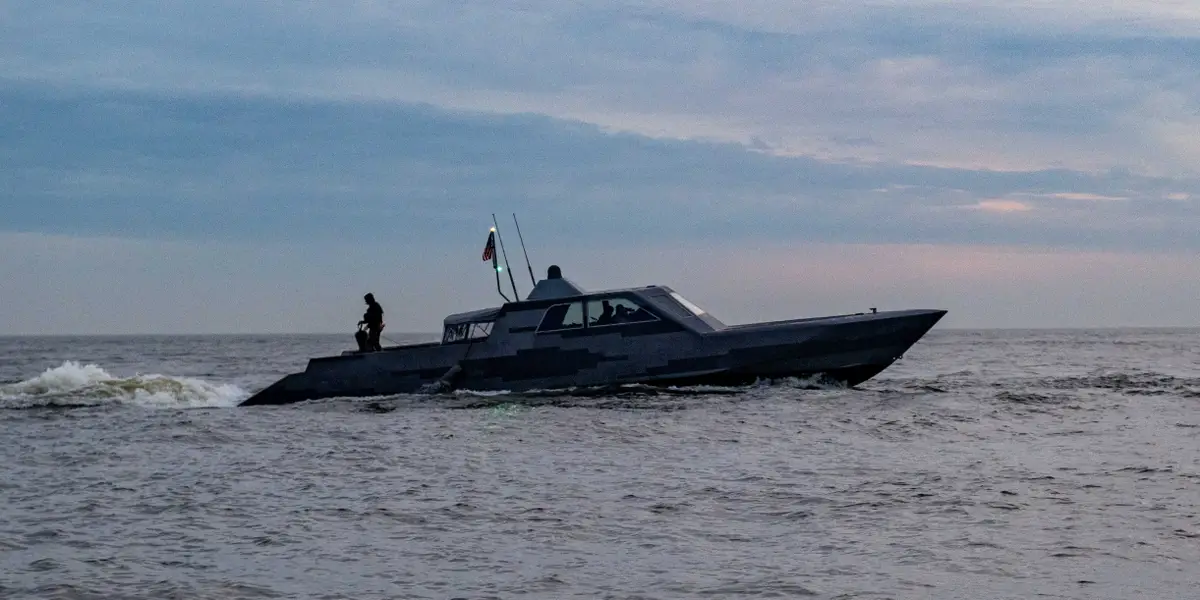
五角大楼监察机构在一份最新报告中警告,由于报告、筛查和随访机制存在失灵,一些美国海军特种作战战斗艇艇员可能带着未确诊的脑损伤重返危险任务。特种作战战斗艇艇员(SWCC)是一支精英特种作战力量。他们乘坐快艇,支援并执行战斗任务,包括运送其他特种作战人员、拦截船只以及开展海上侦察。美国国防部监察长办公室本周发布的一份报告写道:“SWCC人员经常遭受巨浪拍击产生的强烈冲击。如果没有客观、标准化的测试机制来尽早识别损伤,症状可能会被误认为是日常疲劳。”
A Pentagon watchdog warns in a new report that some of the US Navy's elite special warfare boat crews may be returning to dangerous missions and activities with undiagnosed brain injuries due to breakdowns in reporting, screening, and follow-ups. Special Warfare Combatant-craft Crewmen, SWCCs, are an elite special operations force. Aboard fast boats, they support and execute combat missions, such as transporting other special operators, interdicting vessels, and conducting reconnaissance at sea. "SWCCs repeatedly endure severe wave-slamming forces," the Department of Defense's Office of the Inspector General wrote in a report released this week.
报告称:“让军人带着未经诊断的[轻度创伤性脑损伤]重返高风险海上和内河环境,可能导致作战决策能力下降。”报告还指出,当“作战和训练节奏优先于医学随访时,SWCC人员会错过关键复诊预约”,从而使其身体状况更难得到有效评估。创伤性脑损伤是指由爆炸或海浪冲击等外力造成的重大健康问题,可能随着时间推移引发意识混乱、定向障碍、思维迟缓、记忆丧失,或意识丧失、意识水平下降。
"Without an objective, standardized testing mechanism to identify injuries early, symptoms may be masked as routine fatigue," the report said. "Sending service members back to high-risk maritime and riverine environments with undiagnosed [mild traumatic brain injury] can result in degraded operational decision-making." It added that when "operational and training tempos take precedence over medical follow-ups, SWCCs miss critical appointments," making it more difficult to effectively evaluate their conditions.
监察长报告称,SWCC人员一直没有定期填写创伤性脑损伤暴露记录表;一名军医告诉调查人员,艇员通常不填写这些表格,因为完成相关文书需要数小时,进而影响休息、恢复和为未来任务做准备。报告称,指挥官并未强制要求遵守相关规定。曾遭受此类损伤的艇员表示,由于日程安排紧凑,并担心休养会给其他军职人员增加工作,他们经常不报告症状,也不参加复诊预约。
Traumatic brain injuries are defined as significant health issues caused by external forces like explosions or wave-impact events that can, over time, cause confusion, disorientation, slowed thinking, memory loss, or loss or decreased levels of consciousness. The IG report said SWCCs haven't been regularly filling out TBI exposure forms; a medical officer told investigators that crews often don't fill them out because the paperwork takes hours, affecting rest, recovery, and preparation for future missions. The report said command didn't enforce compliance.
军方主要的脑震荡筛查工具“军事急性脑震荡评估第2版”(MACE-2)在调查人员审查的案件中似乎没有任何记录。在2020年至2026年与已报告的创伤性脑损伤(TBI)事件相关的医疗记录中,调查人员没有发现任何已完成的MACE-2评估。监察长报告称,问题在于,艇上人员必须首先凭主观判断症状是由脑震荡引起,还是晕船、脱水或睡眠不足所致,而目前并没有统一标准。
Crew members who have suffered these kinds of injuries said they often don't report their symptoms — or attend follow-up appointments — because of their high-tempo schedules and concerns that recovery time could put more work on other service members. The military's primary concussion screening tool, the Military Acute Concussion Evaluation, Version 2, or MACE-2, didn't appear documented in cases investigators reviewed. Among medical records tied to reported TBI exposures between 2020 and 2026, the investigators found no completed MACE-2 assessments.
在实施筛查的情况下,艇员告诉调查人员,他们可以“通过背诵MACE-2的部分内容来掩盖TBI和脑震荡症状,从而可能降低评估的准确性”。虽然医务人员可以调整测试问题,使问题更难被预判,但这种做法并非强制要求,也未得到定期实施。调查人员还发现,几乎没有证据表明相关人员接受了定期随访照护。报告解释道:“遭受TBI后如果没有接受随访照护,SWCC可能过早返回工作岗位。”
The IG report said that the problem is that corpsmen have to first make a subjective decision about whether the symptoms they are seeing are caused by a concussion or are the byproduct of seasickness, dehydration, or sleep deprivation, and there's no set standard for that. In instances where screening is administered, crews told investigators that they can "mask TBI and concussion symptoms by memorizing portions of the MACE-2, potentially reducing the accuracy of the assessment." While medical personnel can alter the test questions to make them much less predictable, this practice isn't required or regularly implemented. Investigators also found almost no evidence that the operators received regular follow-up care.
调查结论认为,艇员可能仍患有未经诊断或治疗的TBI,却已重返岗位,这可能增加长期健康问题的风险,并对战备状态造成不利影响。监察长报告援引了一名艇员的话,称其向监察长办公室反映:“在高强度行动节奏下,艇员担心会被解除在艇上的行动职务,因为这会将工作负荷转移给另一支分队。”这些特殊舰艇团队按照24个月的部署周期开展工作,其中包括6个月的单位级训练。
"Without follow-up care after sustaining a TBI, a SWCC could return to work too soon," the report explained. The findings conclude that crews may have returned to duty while still suffering from undiagnosed or untreated TBIs, which could increase the risk of long-term ailments and negatively impact readiness. The IG report cites one crew member who told the office "that during high operational tempos, a fear exists of being removed from their operational duty on the boat, which would shift the workload to another detachment."
报告称:“由于人员配置有限,艇上仅有4名人员处于部署周期的不同阶段,SWCC觉得自己无法在不影响部署演习的情况下,持续报告自身症状。”
These special boat teams work on a 24-month deployment cycle, including six months of unit-level training.
这些经历得到了医疗人员的印证。他们表示,团队休整和恢复并不容易,而且成员常因日程繁紧而不参加复诊。该办公室建议建立标准化、客观的创伤性脑损伤(TBI)检查清单,目前正在编制,预计于2027年12月完成。同样,该办公室表示,应消除妨碍作战人员接受治疗的障碍,包括建立“一种机制,确保特种作战作战人员完成规定的后续治疗,并缓解可能影响部队战备状态的问题”。
"With limited manning and four troops in different stages of the cycle, SWCCs feel they cannot consistently report their symptoms without impacting deployment exercises," the report said. These experiences were corroborated by medical personnel, who said rest and recovery are difficult for teams and members often don't attend follow-up appointments because of their demanding schedules. The office recommended the establishment of a standardized, objective TBI checklist, which is being developed with an estimated completion date of December 2027. Similarly, the office said that roadblocks preventing crew members from receiving treatment should be addressed, including the creation of "a mechanism to enforce accountability for special warfare combat crewmen to complete required follow-up treatment and mitigate potential gaps in unit readiness."
预计这些措施将包括强化强制复诊制度和升级处置流程,并于2027年3月前完成。海军特种作战司令部赞同监察机构的建议,并表示正在据此修订其脑震荡管理方案,包括制定针对波浪冲击及其他非爆炸性脑震荡事件的标准化筛查工具。
These are expected to include reinforced mandatory follow-up appointments and an escalation protocol and be complete by March 2027. Naval Special Warfare Command concurred with the watchdog's recommendations and said it is revising its concussion management approach accordingly, including developing a standardized screening tool for wave-impact and other non-blast concussive events.