一项历史研究发现,荷兰王室在过去几个世纪中受益于该国的殖民政策,并帮助奴隶贸易生存下来。
A historical study has found that the Dutch royal house benefited from the country’s colonial policies in past centuries and helped the slave trade to survive.
这项由威廉-亚历山大国王委托莱顿大学进行的深入研究显示,奥兰治-拿骚家族“几个世纪以来积极支持荷兰殖民主义,但很少确定殖民政策”,根据该大学周五发表的声明。
The in-depth study, commissioned by King Willem-Alexander and conducted by Leiden University, showed the House of Orange-Nassau “actively supported Dutch colonialism for centuries, but only rarely determined colonial policy”, according to the university’s statement, published on Friday.
荷兰历史学家和人权专家在对1600年至今的这段时期进行了为期三年的研究后得出结论:“奥兰治-拿骚家族的参与是毫无保留的。”
“The involvement of the House of Orange-Nassau was wholehearted and without any real reservations,” Dutch historians and human rights experts concluded after a three-year study looking at the period from 1600 to the present.
“这项研究让我们毫无疑问,奥兰治家族对荷兰奴隶贸易和奴隶制几个世纪以来的生存负有责任,”研究报告说,并指出大多数统治者对奴隶制没有反对意见。
“The research leaves us in no doubt that the House of Orange shares responsibility for the survival over the centuries of the Dutch slave trade and slavery,” the study said, noting that most of the rulers showed no objections to slavery.
威廉-亚历山大国王周五表示,他个人受到了该研究“明确”结论的影响。
King Willem-Alexander said on Friday he was personally affected by the “explicit” conclusions of the study.
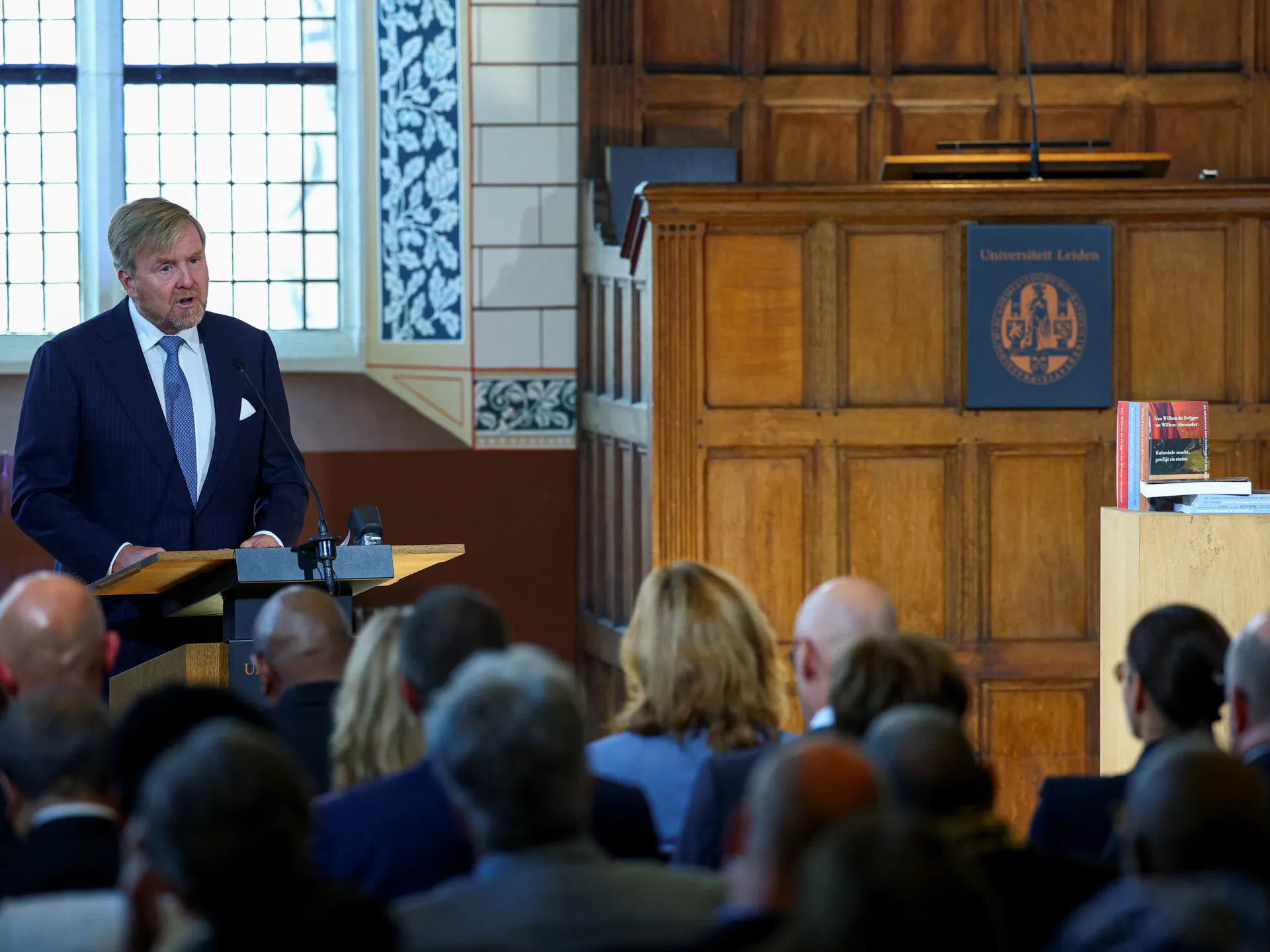
“这是一个痛苦且令人直面的结论。尽管我已经相差三代,但这个结论仍然影响着我,”威廉姆-亚历山大在研究报告中的演讲中说道。
“It is a painful and confronting conclusion. A conclusion that affects me, even though I am three generations removed,” Willem-Alexander said in a speech at the presentation of the research.
“我们知道殖民主义和奴隶制的影响今天仍然存在。不幸的是,歧视和经济剥削每天都在发生,”他补充说。
“We know the effects of colonialism and slavery are still being felt today. Discrimination and economic exploitation unfortunately happen every day,” he added.
该研究还表明,王室有时从殖民体系中获利颇丰,主要来自荷属东印度群岛(即今天的印度尼西亚)的贸易。
The study also showed that the royal family at times profited substantially from the colonial system, mostly from trade in the Dutch East Indies, modern-day Indonesia.
研究人员说,例如,在19世纪,以现代计算,利润累计约为6.5亿美元。
In the 19th century, for instance, profits accumulated to about $650m in modern terms, the researchers said.
另一方面,研究显示,王室从奴隶贸易中“几乎没有”获得任何收入。
On the other hand, the royal family earned “almost nothing” from the slave trade, the research showed.
没有赔偿的道歉这位荷兰君主于2023年为其祖先缺乏反奴隶制行动道歉,并强调他们在面对殖民主义时缺乏“逆势领导”。
Apologies without reparations The Dutch monarch, who in 2023 apologised for his ancestors’ lack of action against slavery, highlighted their lack of “counter-current leadership” in the face of colonialism.
荷兰历史学家Gert Oostindie(右)于2026年10月2日在荷兰莱顿向国王威廉-亚历山大展示了一卷关于奥兰治-拿骚家族在荷兰殖民历史中的作用的独立研究[Piroschka van de Wouw/路透社]奥兰治家族自16世纪末以来一直统治着荷兰,首先是作为主持共和国的“城市统治者”,后来荷兰成为君主制国家时成为王室。
Dutch historian Gert Oostindie, right, presents a volume of an independent study into the role of the House of Orange-Nassau in Dutch colonial history to King Willem-Alexander in Leiden, the Netherlands, on October 2, 2026 [Piroschka van de Wouw/Reuters] The House of Orange has ruled the Netherlands since the late 16th century, first as “stadtholders” who presided over the republic, and later as the royal house when the Netherlands became a monarchy.
在这段时间的大部分时间里,荷兰人统治着东南亚和加勒比地区的大片殖民地,包括现在的印度尼西亚和苏里南。调查结果可能会在荷兰引发关于赔偿的辩论。
For most of this time, the Dutch ruled over vast colonies in Southeast Asia and the Caribbean, including what is now Indonesia and Suriname. The findings could stir up the debate around reparations in the Netherlands.
荷兰政府在承认荷兰政府对跨大西洋奴隶制负有责任后,于2022年道歉。次年,威廉-亚历山大国王道歉。
The Dutch government apologised in 2022 after acknowledging the Dutch state bore responsibility for transatlantic slavery. King Willem-Alexander apologised the following year.
当时的政府排除了赔偿的可能性,而是为社会倡议设立了2亿欧元(2.38亿美元)的基金,但反种族主义活动人士认为这笔资金不够。
The government at the time ruled out reparations, instead creating a 200 million euro ($238m) fund for social initiatives, which anti-racism campaigners have dismissed as insufficient.
荷兰奴隶制过去和遗产国家研究所(NiNsee)赞扬国王委托进行这项研究,但表示这应该会进入下一阶段。
The National Institute for the Dutch Slavery Past and Heritage (NiNsee) lauded the king for commissioning the study but said it should lead to a next phase.
NiNsee主任比安卡·格伦·加兰特(Bianca Groen Gallant)表示:“当对过去的新见解有助于提高认识、对话、纠正和在学校课程以及关于责任和赔偿性正义的对话中补充我们的国家历史时,研究就会影响社会。”
“Research impacts society when the new insights into the past contribute to awareness, dialogue, corrections and additions to our national history in the school curriculum and the conversation about responsibility and reparatory justice,” NiNsee director Bianca Groen Gallant said.
从17世纪开始,直到19世纪下半叶荷兰废除奴隶制,荷兰在全球奴隶贸易中发挥了重要作用。
The Dutch played a major role in the global slave trade from the 17th century until the Netherlands abolished slavery in the second half of the 19th century.