东南亚地区的私募股权公司正逐渐放弃传统的拍卖流程来实现退出。基金管理者指出,卖方必须主动接触潜在买家,并愿意考虑双边谈判以及更具创新性的交易模式。
Private equity firms in Southeast Asia are increasingly turning away from traditional auction processes to secure exits, with fund managers saying sellers must cultivate buyers directly and be willing to consider bilateral and more creative transactions.
“过去那种聘请投资银行、组织拍卖并选择出价最高者的方式如今已不再奏效,”湄公资本合伙人查德·奥维尔在2026年9月23日举行的亚洲私募股权与风险投资峰会上表示。他的公司如今主要依靠自身人脉网络来联系越南的战略买家及其他地区的潜在投资者。
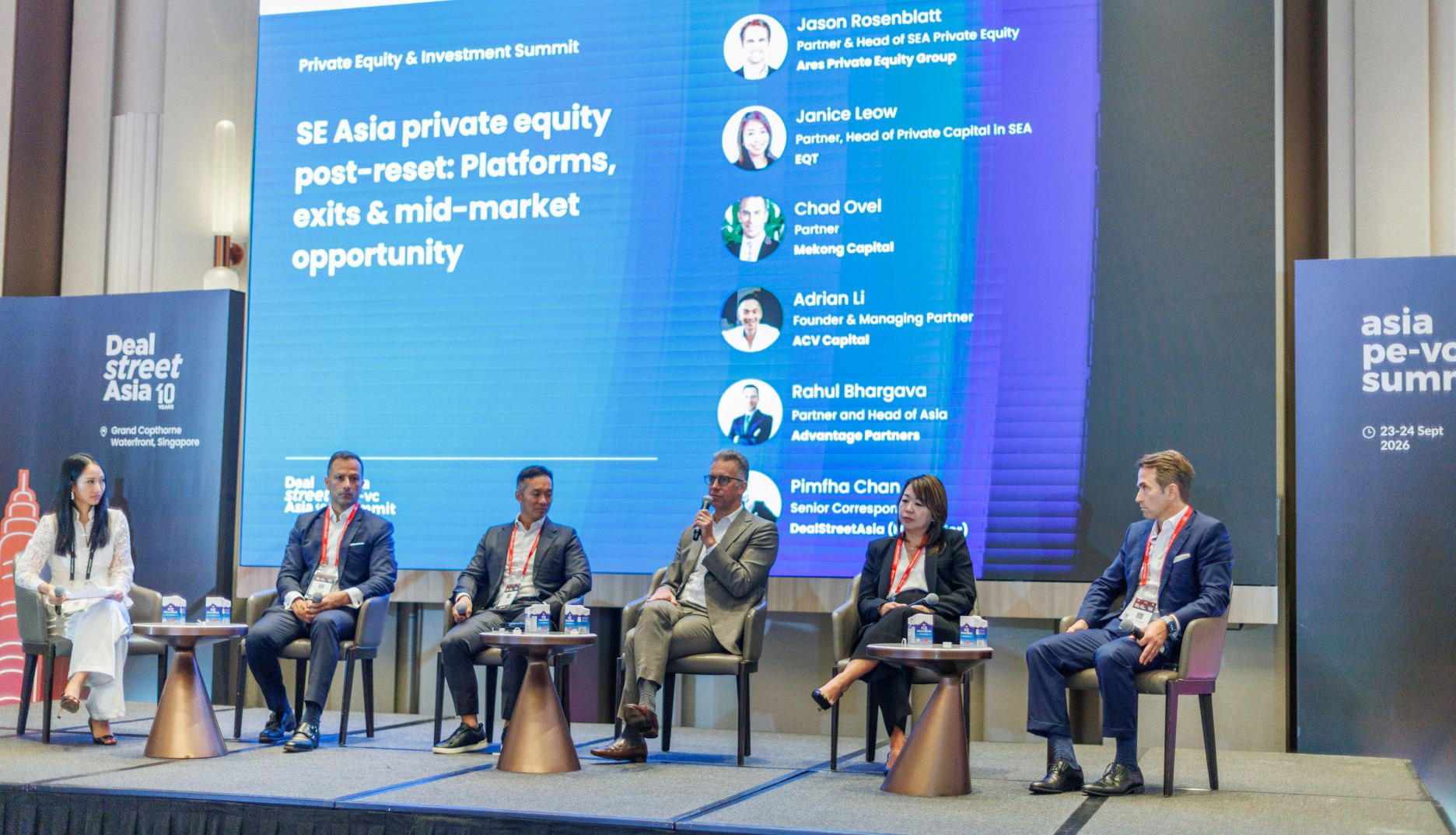
“The old tested route of hiring an investment banker, running a process, and picking the highest bidder—that has not been working for us,” said Chad Ovel, a partner at Mekong Capital, during a panel discussion on September 23 at the Asia PE-VC Summit 2026. His firm has instead relied on its own networks to approach wealthy families, strategic buyers in Vietnam and potential buyers elsewhere in the region.
2021年,湄公资本通过其第四期企业基金向净水设备制造商Mutosi Group注资1000万美元。此后,该公司成功将所持Mutosi Group的大部分股权出售给了欧洲水务解决方案巨头Ariston集团。
Mekong exited its majority stake in water purification maker Mutosi Group to European water solutions group Ariston after investing $10 million in Mutosi via its Enterprise Fund IV in 2021.
EQT东南亚地区私募资本业务负责人珍妮丝·刘在题为“东南亚私募股权行业的新常态:平台建设、退出机制及中端市场机遇”的专题讨论会上指出,在当前市场周期下,传统拍卖流程的效果日益减弱。由于买卖双方难以就估值达成一致,大量交易长期未能达成。
The traditional auction process was proving less effective at this point in the cycle, with many deals having remained on the market for some time as buyers and sellers struggled to agree on valuations, echoed Janice Leow, EQT’s head of private capital in Southeast Asia during the panel discussion titled ‘SE Asia private equity post-reset: Platforms, exits & mid-market opportunity‘.
“随着部分卖方降低预期,市场活跃度有望回升。不过许多卖方并不愿意再通过传统拍卖流程来实现退出,”刘说道。“我们这类卖方虽然仍会偶尔组织拍卖,但如今更愿意接受多方提出的双边合作方案,尤其是针对那些持有已久的资产。我们非常乐于尝试各种创新交易结构。眼下已不是沿用三年前那套做法的时候了,我们需要更具创造性。”
“You’ll see activity pick up as some of these sellers reduce their expectations, but a lot of them don’t want to run this kind of process in order to get the exit done,” Leow said. “Sellers like us, whilst we continue to run some of these auctions, are increasingly open to bilateral approaches from many parties, particularly for assets that have been on our books for some time, and we’re really open to creative structures.”“This is not the time to use the same playbook that used to exist three years ago. It’s really time to be creative,” she added.
这一变化反映出当前市场上待出售资产的数量与可用于收购的资本规模之间日益失衡。据Ares私募股权集团东南亚及大洋洲地区负责人杰森·罗森布拉特介绍,2018年至2022年间,亚洲地区的私募股权基金募资规模年均约为2800亿美元;但从2023年至2025年,这一数值骤降至约1100亿美元,其中2025年的募资额仅为660亿美元左右。
The shift reflects a growing imbalance between the supply of assets seeking exits and the amount of capital available to buy them. Private equity fundraising in Asia averaged about $280 billion a year between 2018 and 2022, before falling to roughly $110 billion from 2023 to 2025, with about $66 billion in 2025, according to Jason Rosenblatt, Ares Private Equity Group’s head of SEA.
大量待售资产的存在使得传统的公开拍卖模式难以顺利实施。“对卖方而言,眼下并非理想的时机。仅仅聘请一家投资银行,并不能确保战略投资者或私募股权机构会主动上门洽谈,这在一定程度上也是市场环境变化所致,”他解释道。他补充称,如今卖方在启动出售流程前,往往需要提前培育潜在买家,并设法在数量有限的潜在买方之间维持一定程度的竞争态势。
That has left a large pool of assets for sale, making traditional broad auctions harder to execute. “It’s not the easiest time to be a seller. You can’t just hire a bank and expect strategics and private equity firms to come through the door, and that is partially because the market has changed,” he said. Sellers increasingly need to cultivate potential buyers before launching a process and maintain a degree of competition between a smaller group of parties, he added.
黑石集团在任命财务顾问以剥离旗下部分资产后,仅用约六个月便促成了Interplex Datacom的出售协议。同样,私募股权投资机构Dymon在邀请各方竞标后,顺利将旗下Meiban业务转入新设立的基金。此外,CVC在2025年启动出售流程后,最终于今年将所持有的Fast Group少数股权重新出售给了该公司的创始家族。
The sale process of Blackstone’s Interplex Datacom reached a binding agreement in about six months after the firm appointed a financial advisor to carve out part of its portfolio. Similarly, Dymon’s Meiban was rolled over to its new fund after the private equity investor invited bidders to put in an offer. CVC’s minority stakes in Fast Group were eventually sold back to the founding family this year after running a sale process in 2025.
不过,ACV Capital的创始人兼管理合伙人李家诚指出,尽管退出市场环境趋紧,资产持有者们仍纷纷选择进入市场——尤其是越来越多的家族企业面临传承问题,因而更愿意接纳外部资本。
Still, the constrained exit market is not deterring asset owners from coming to market, particularly as more family-owned businesses reach succession points and become open to outside capital, according to Adrian Li, founder and managing partner of ACV Capital.
李家诚表示,尽管融资环境愈发严峻,潜在交易机会依然充足,尤其是那些规模较小的家族企业。“整个亚太地区有大量经营状况良好、由家族掌控且历经多年发展才形成的优质中型企业,这些企业过去极少引入外部资本,”他说道。
Despite the tighter funding environment, the supply of potential deals remains plentiful, particularly among smaller, family-owned businesses, according to Li. “This entire region is filled with a long tail of mid-market companies that are profitable, family-owned, and have been built over the years and haven’t traditionally taken outside capital in the past,” he said.
这正在为私募股权公司创造机会,但也要求卖方做更充分的准备,包括识别潜在战略买家并围绕资产打造股权故事。
That is creating opportunities for private equity firms, but also requires more preparation from sellers, including identifying potential strategic buyers and developing an equity story around the asset.
据Advantage Partners合伙人兼亚洲区负责人Rahul Bhargava表示,这意味着赞助方需要在退出前就充分考虑最终买家。该公司在构建业务时就考虑到战略买家,特别是在工业、制造和企业服务领域,并花费时间识别潜在收购方,围绕市场切入、新能力和收购管道等方面打造股权故事。
That means sponsors need to think about the eventual buyer well before an exit, according to Rahul Bhargava, Partner and Head of Asia at Advantage Partners. The firm builds businesses with strategic buyers in mind, particularly across industrial, manufacturing and business-to-business services, and spends time identifying potential acquirers and developing an equity story around areas such as market entry, new capabilities and acquisition pipelines.
Bhargava表示:“并购退出的关键真在于资产选择,以一种能为收购方提供下行保护的方式构建资产,特别是日本收购方,他们更专注于确保公司在其所有权下不会‘出事’,并为他们打造股权故事。如果只是简单的附加式收购,而你没有在股权故事上做足功课,正如其他人指出的,仅聘请投行跑流程在这个市场行不通。”
“The key [for M&A exit] is really asset selection, building it in a way that is downside protected for the acquirer, particularly the Japanese acquirers who are a lot more focused on making sure the company doesn’t blow up under their their ownership, and building an equity story for them,” said Bhargava. “If it’s just a straight bolt-on where you haven’t done your work around the equity story, as others have pointed out, just hiring a banker and running a process won’t work in this market.”
随着东南亚退出市场在经历数年低迷后开始显现复苏迹象,市场正转向更有针对性和定制化的流程。圆桌会上的基金管理人表示,下半年启动的流程增多,但交易完成仍需更长时间,因为买方进行更尽职调查并处理先决条件。
The shift toward more targeted and bespoke processes comes as Southeast Asia’s exit market begins to show signs of recovery after several subdued years. Fund managers on the panel said they were seeing more processes get underway in the second half of the year, although transactions are still taking longer to close as buyers conduct more diligence and work through conditions precedent.
这指向一个退出活动回暖但赞助方不再能依赖传统拍卖实现流动性的市场。取而代之的是,管理人越来越需要尽早识别买家、为特定战略利益塑造资产,并在交易结构上保持灵活性,以期向投资者回笼资金。
That points to a market where exit activity is returning, but where sponsors can no longer rely on a conventional auction to deliver liquidity. Instead, managers are increasingly having to identify buyers early, shape assets for specific strategic interests and remain flexible on transaction structures as they look to return capital to investors.