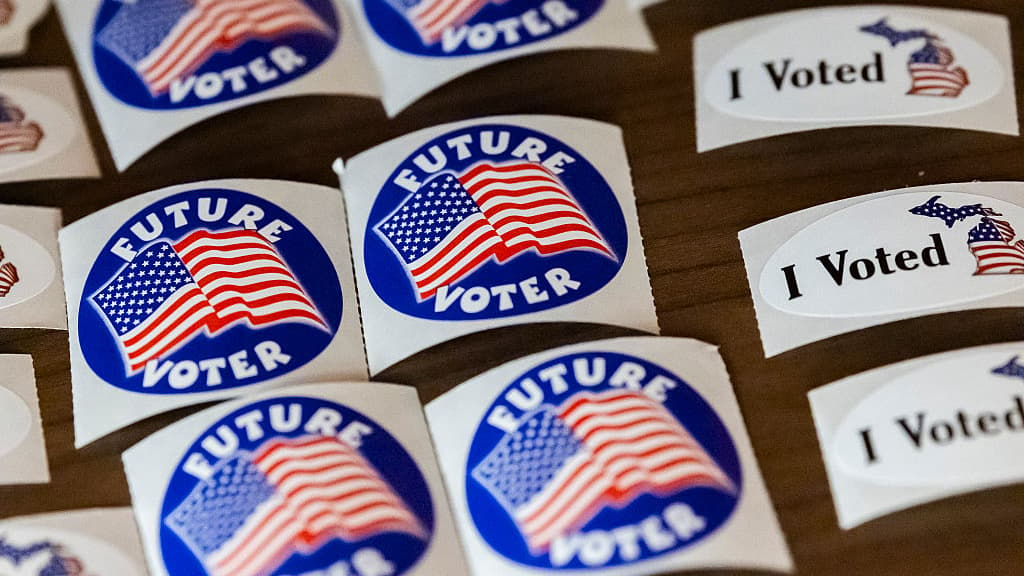
每逢选举,我去投票时都会带上孩子。他们很喜欢领取“未来选民”贴纸。不过,大女儿可能现在已经不稀罕了。
Every election, when I head to the polls, I try to bring my kids with me. They love to get their “future voter” sticker. Well, maybe not my oldest anymore.
我的孩子现在11岁和9岁,他们已经足够大,能理解投票时正在发生重要的事情,也足够好奇,会问出很多问题。我希望他们提出这些问题。
My kids are 11 and 9 years old now, which means they’re old enough to understand that something important is happening when we vote, and curious enough to ask plenty of questions. I want them to ask those questions.
我在妇女选民联盟工作了近30年,帮助人们了解如何塑造我们的民主、参与选举、与民选领导人建立联系、让自己的声音被听见。我深深热爱这份工作。成为父母让我的工作感觉更加切身相关。我希望我的孩子们明白,他们拥有影响塑造其生活决策的力量。
I’ve spent nearly 30 years at the League of Women Voters, helping people understand how they can shape our democracy, participate in elections, connect with elected leaders, and make their voices heard. I care deeply about this work. Becoming a parent made my work feel even more personal. I want my children to understand they have the power to influence the decisions that shape their lives.
我的孩子们还不能投票,但民主决策的后果已经影响他们生活的几乎方方面面。这些决策决定了他们学校、公园、游乐场和游泳池的经费,以及他们能使用的图书馆和社区资源。它们决定了我们每天使用的自行车道和道路的安全性。我们民选领导人今天做出的选择,将塑造所有孩子明天获得的机会。
My kids can’t vote yet, but the consequences of democratic decisions already affect nearly every part of their lives. Those decisions shape the funding available for their schools, parks, playgrounds, and pools, as well as the libraries and community resources available to them. They determine the safety of the bike lanes and roads we use daily. The choices our elected leaders make today will shape the opportunities available to all our children tomorrow.
孩子们不为代表他们的官员投票,但这不意味着孩子们不该了解决策是如何制定的——也不意味着他们不该了解将来如何对这些决策发表意见。
Kids don’t vote for the officials meant to represent them, but that doesn’t mean kids shouldn’t understand how decisions are made—or how, one day, they can have a say in them.
这就是为什么我带孩子们去投票——也带他们去集会和社区会议。在妇女选民联盟近三十年的工作中,我见证了当人们明白民主属于他们自己时,会迸发出多大的力量。我也看到了为什么我们不能把这种理解视为理所当然。
That’s why I bring my children with me when I vote—and to rallies and community meetings. In nearly three decades at the League of Women Voters, I have seen how powerful it can be when people understand that democracy belongs to them. I’ve also seen why we can’t take that understanding for granted.
我希望孩子们亲眼目睹民主的运作:这是人们身体力行的实践,而非仅仅停留在课本上的知识。当我们走进投票站,他们看到邻里乡亲前来履责;看到我办理登记、领取选票、做出选择;也看到参与民主是社区成员理所当然的日常。
I want my kids to see democracy in action: something people do, not just something they learn about in school. When we walk into a polling place, they see neighbors and community members showing up. They see me check in, receive my ballot, and make my choices. And they see that participating in our democracy is a normal part of being a member of a community.
对我而言,这些经历还引发了更深层的对话。两个孩子都在青春期前夕,对政府运作和选举机制的理解处于不同阶段,关注点不同,提问自然也不同。但他们都对公平正义有着清晰的认知,也能敏锐察觉世界发生的大事如何影响自己、社区以及他们在乎的人。
For me, these trips also lead to bigger conversations. Both pre-teens, my kids are at slightly different stages in understanding how government and elections work. Their interests are different, so their questions are different. But both have very clear ideas of what is fair and just, and they recognize when something happening in the world affects them, our community, and the people they care about.
我希望他们知道自己能做些什么。投票固然重要,却非唯一出路。民主赋予我们多种发声渠道:我们可以研习议题,追问到底直到获得满意答复;可以联系民选官员;可以在校董会或市议会会议上发声;可以联合志同道合者共同行动。
I want them to know what they can do about it. Voting is important, but it’s not the only answer. Democracy gives us many ways to use our voices. We can learn about issues. We can ask questions until we’re satisfied with the answers.
等到年龄足够大,我们还能投票选出心仪的代表。没人会在18岁生日醒来就自动懂得如何参与民主。这需要教导,更需要言传身教。孩子们看着我们如何待人、如何应对难题、如何关怀社区,也看着我们如何参与公共事务。
We can contact our elected officials. We can speak up at a school board or city council meeting. We can organize with other people who care about the same thing. And, when we’re old enough, we can vote for those we want representing us. No one wakes up on their 18th birthday automatically knowing how to participate in democracy. We have to teach it. More importantly, we have to model it.
我想说清楚:这不意味着灌输孩子该怎么想、将来该投给谁。恰恰相反,我希望孩子们成长为善于提问、寻求可靠信息、倾听他人、独立判断的人。
Our kids watch how we treat people, how we respond to problems, and how we care for our communities. They watch how we participate, too. Let me be clear: this doesn’t mean telling our children what to think or whom they should someday vote for.
当他们将自己手中的“未来选民”贴纸换成“我已经投票”贴纸时,我希望这一过程不仅具有重大意义且令人兴奋,同时也让他们感到亲切、熟悉。我希望他们知道如何获取可靠的信息,愿意提出问题,并且明白:他们不必在每一个问题上都同意我的观点或任何其他人的观点。
In fact, I want the opposite for my kids. I want them to grow into people who ask questions, seek out reliable information, listen to others, and reach their own conclusions. When they exchange their “future voter” stickers for “I voted,” I hope that, in addition to being momentous and exciting, the experience also feels familiar. I hope they know how to find reliable information.
最重要的是,我希望他们能够认识到自己话语的力量,以及如何有效地运用这种力量。
I hope they ask questions. And I hope they understand that they don’t have to agree with me—or anyone else—about every issue.
今天做出的决定将会影响我们的孩子未来的生活。教育孩子关于民主的知识,其实就是在提醒他们:他们不必在自己的生活中成为被动的旁观者;他们可以学习、参与、发声,最终为自己想要的生活方式投票——而不是被动地接受别人安排的生活。
Most of all, I hope they understand the power of their voice and how to use it. Decisions being made today will have consequences our children will have to live with tomorrow. And part of teaching kids about democracy is about reminding them that they don’t have to be passive observers in their own lives.
这就是为什么我会带着我的孩子们一起去投票站。虽然投票过程中可能会有一些额外的问题需要解答,我也可能需要花费更多的时间来完成投票流程。但总有一天,这些决定将由他们自己来做出。我希望他们能够做好准备,在属于自己的时刻,勇敢地行使自己的权利、表达自己的意见。
They can learn, participate, speak up and, eventually, vote for the kind of world they want to live in, not one they were handed. That’s why I bring my kids with me to the polls. There may be extra questions, and it may take me a little longer to cast my ballot. Someday, these decisions will be theirs to make. And I want them to be ready to use their voices when it’s their turn.