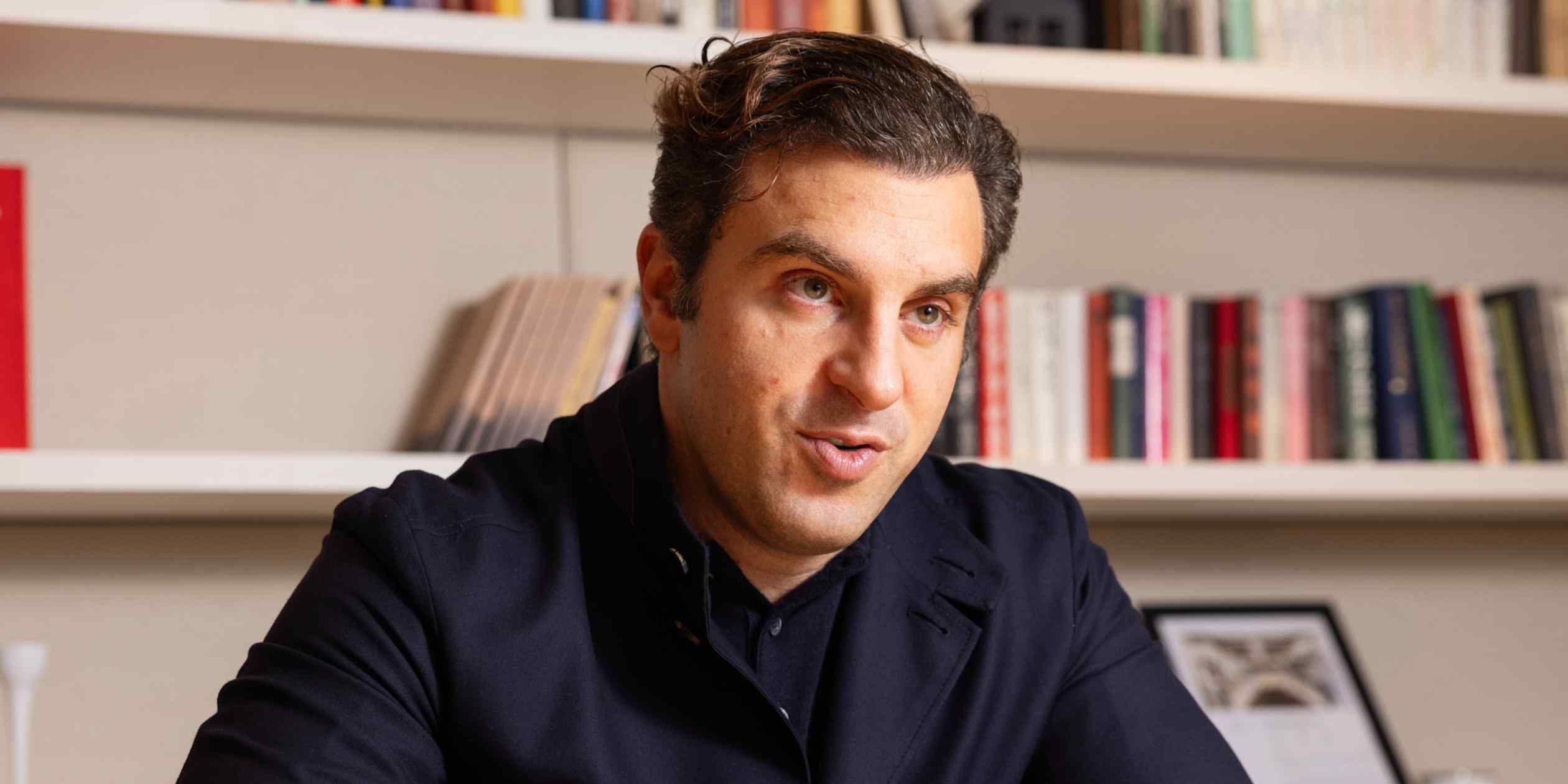
加利福尼亚州帕洛阿尔托——Airbnb首席执行官布赖恩·切斯基表示,这家民宿预订平台不太可能允许像Meta旗下的Muse这样的第三方人工智能助手为用户预订住宿。这一表态反映出旅游行业日益担忧:人工智能助手可能会削弱企业与消费者的直接互动。
PALO ALTO, California -- Airbnb CEO Brian Chesky said the vacation rental platform is unlikely to allow such outside artificial intelligence agents as Meta Platforms' Muse to book accommodations for users, reflecting growing concerns among travel companies that AI assistants could weaken direct engagement with consumers.
在接受《日经新闻》采访时,切斯基称他不会向那些能够自主浏览网站并完成交易的第三方AI助手开放Airbnb平台。
In an interview with Nikkei, Chesky said he would not open up Airbnb's platform to outside AI agents, which are designed to browse websites and complete transactions autonomously.
Meta旗下的Muse于9月8日在美国正式推出,用户可通过该工具借助网站访问及应用集成功能来完成网购、旅行规划等任务。9月29日,OpenAI也推出了Dots,进一步引发了市场对能够代用户执行各类在线任务的面向消费者型AI助手的关注。
Meta's Muse, launched in the U.S. on Sept. 8, lets users delegate such tasks as online shopping and travel planning through website visits and app integrations. OpenAI joined the race on Sept. 29 with Dots drawing further attention to consumer-facing AI agents capable of carrying out online tasks on users' behalf.
当被问及Airbnb是否会允许Muse这类外部AI助手接入其平台时,切斯基回应称,Airbnb“很可能不会”允许第三方AI助手为用户完成预订操作。
Asked whether Airbnb would connect its platform to such external AI agents as Muse, Chesky said Airbnb would "probably not" allow third-party AI agents to make bookings for users.
对Airbnb而言,目的地探索与行程规划正是其核心吸引力所在。该公司担心,一旦AI助手开始跨多个平台对比各类酒店与民宿,游客便可能逐渐不再使用专门的旅游应用,这将导致各平台难以在竞争中凸显自身特色。
Airbnb sees destination discovery and trip planning as a core part of its appeal. The company fears that if AI agents start comparing hotels and vacation rentals across multiple services, travelers may increasingly bypass dedicated travel apps altogether, making it harder for platforms to differentiate themselves from the competition.
这种担忧已在市场上引发连锁反应:自Meta推出Muse以来,Airbnb与Booking Holdings的股价分别下跌了约10.7%和17.7%,Tripadvisor的股价也跌去了8.8%。
The concern has already rippled through the market. Since Meta launched Muse, shares of Airbnb and Booking Holdings have fallen about 10.7% and 17.7%, respectively, while Tripadvisor has lost 8.8%.
切斯基指出,旅游活动与常规交易有着本质区别——消费者本身就乐在想象与规划旅程的过程之中。
Chesky argued that travel differs fundamentally from routine transactions because consumers enjoy the process of imagining and planning their trips.
“人们享受期待旅行的过程,这种乐趣甚至不亚于真正踏上旅途本身,”他说,“我们不想剥夺这种乐趣。”
"People enjoy anticipating travel as much or more than actually traveling itself," he said. "We don't want to take away that joy."
“人们不希望被自动化取代的是:他们想自己决定去哪里旅行,”切斯基说道,“他们希望能怀揣着对旅行的憧憬与幻想。”
"What they don't want automated is they want to choose where to travel to," Chesky said. "They want to dream of traveling."
“旅行本身就是一种娱乐方式,而规划旅行的过程同样充满乐趣,”他说。虽然人工智能助手在订购生活用品或预订交通服务方面或许能派上用场,但切斯基指出,大多数旅行者并不希望把挑选目的地、探索各类景点的核心体验交给软件来完成。
"Travel is entertainment," he said. "Planning travel is entertainment." While AI agents may prove useful for ordering household goods or booking transportation, Chesky said travelers generally do not want the core experience of choosing and exploring destinations to be delegated to software.
“除了那些体力消耗极大的实际行程环节外,预订旅行以及旅行过程中的大部分体验,我们都不希望被自动化取代,”他补充道。
"Most of the experience of booking travel and most experience of traveling, other than the physical, like, grueling part of it, we do not want automated," he said.
他还质疑道:主要依靠文本聊天界面运作的人工智能助手,能否再现旅行者在挑选目的地和住宿时所依赖的视觉体验呢?
He also questioned whether AI agents operating primarily through text-based chat interfaces can replicate the visual experience travelers rely on when evaluating destinations and accommodations.
“人工智能助手确实会发挥重要作用且大有裨益,但如果它们仅局限于功能有限的聊天界面,导致用户失去选择权,那么我认为它们在这种场景下难以取得成功,”切斯基说道。
"Agents are going to be important and helpful, but if they're reduced to very limited chatbot interfaces where choice is taken away from you, then I don't think they're going to be very successful for that use case," Chesky said.
这位首席执行官还驳斥了“消费者只希望瞬间完成旅行预订”的说法。
The CEO dismissed the idea that consumers simply want travel bookings completed instantly.
“人们并非只想要在四秒内就订好一间Airbnb民宿——尤其是当房价高达1000美元时更是如此,”他说道,“价格越昂贵,就越能激发人们的向往之情,我也希望拥有更多的选择权。”此外,切斯基还提到了一些现实层面的考量,比如核实住客身份,以及确保旅行者在抵达前充分了解住宿地的各项规定。
"So this idea that people want to just book an Airbnb in four seconds, not if it's $1,000," he said. "The more expensive, the more inspirational, the more control I want." Chesky also cited practical concerns, including verifying guest identities and ensuring that travelers understand property-specific rules before they arrive.
尽管Airbnb对允许第三方人工智能助手处理预订事宜持谨慎态度,但该公司仍在持续提升自身平台的人工智能功能。
While Airbnb is skeptical about allowing third-party AI agents to handle bookings, the company is expanding AI capabilities on its own platform.
9月30日,Airbnb宣布计划在其应用与网站中引入人工智能驱动的搜索功能,首先在美国推行,随后逐步推广至日本及其他市场。
On Sept. 30, Airbnb announced plans to add AI-powered search to its app and website, starting in the U.S. before expanding to Japan and other markets.
用户将可以通过文字或语音描述自己的需求,例如希望在年末假期与配偶前往纽约,并获得量身定制的住宿推荐。Airbnb还将推出社交功能,让用户可以在地图上查看亲友曾经游览过的目的地,并分享旅行信息。
Users will be able to describe what they want by text or voice, such as to visit New York with a spouse during the year-end holidays, and receive tailored recommendations for accommodations. Airbnb is also introducing social features that allow users to view destinations previously visited by friends and family on a map and share travel information.
此外,切斯基透露,他计划在Airbnb之外创办一家人工智能初创企业。这家企业将被描述为一家专注于人工智能模型及相关技术的研究实验室,并计划通过更以人为本的发展路线,在现有的人工智能企业中脱颖而出。
Separately, Chesky revealed plans to launch an AI startup outside Airbnb. The venture, described as a research lab focused on AI models and related technologies, will seek to distinguish itself from existing AI companies through a more human-centered approach.
“我正以一种非常人文、以人为先且重视设计的方式打造一家研究实验室。”切斯基说。他曾接受设计师训练,后来与他人共同创办了Airbnb。这家企业正在积极招募人工智能人才,更多细节将于稍后公布。
"I'm approaching a lab from a very humanistic, people-first, design-forward approach," said Chesky, who trained as a designer before co-founding Airbnb. The venture is actively recruiting AI talent, with further details to be disclosed later.
切斯基还批评了硅谷关于人工智能的宏大叙事,认为科技公司已经与普通人的关切和优先事项脱节。
Chesky was also critical of Silicon Valley's broader AI narrative, arguing that technology companies have become disconnected from the concerns and priorities of ordinary people.
“硅谷到底有什么问题?”他问道,“我们抽象地谈论人类,却并不真正谈论普通人。”
"What's the problem with Silicon Valley?" he asked. "We talk about humanity in the abstract. We don't actually talk about regular people."
“我认为,硅谷犯的头号错误,是我们活在自己的泡泡里。这个泡泡大到让我们以为它就是全世界,但事实并非如此。”切斯基说。
"I think the No. 1 thing that Silicon Valley gets wrong is we're in our own bubble," Chesky said. "The bubble is so big that we think the bubble is the world, and it's not."
“我们硅谷的人没有讲好人们的生活将如何从人工智能中受益的故事,”他说,“你们听到的只是:我们所有人都有可能会灭绝。”切斯基表示,加强科技公司与公众之间的互动,将有助于缓解社会对人工智能的焦虑,并建立公众对这项技术开发与部署方式的信任。
"We in Silicon Valley are not telling good stories of why people's lives will benefit," he said. "All you've heard is there's a chance that we'll all be extinct." According to Chesky, greater engagement between technology companies and the public would help ease societal anxiety over AI and build trust in how the technology is developed and deployed.