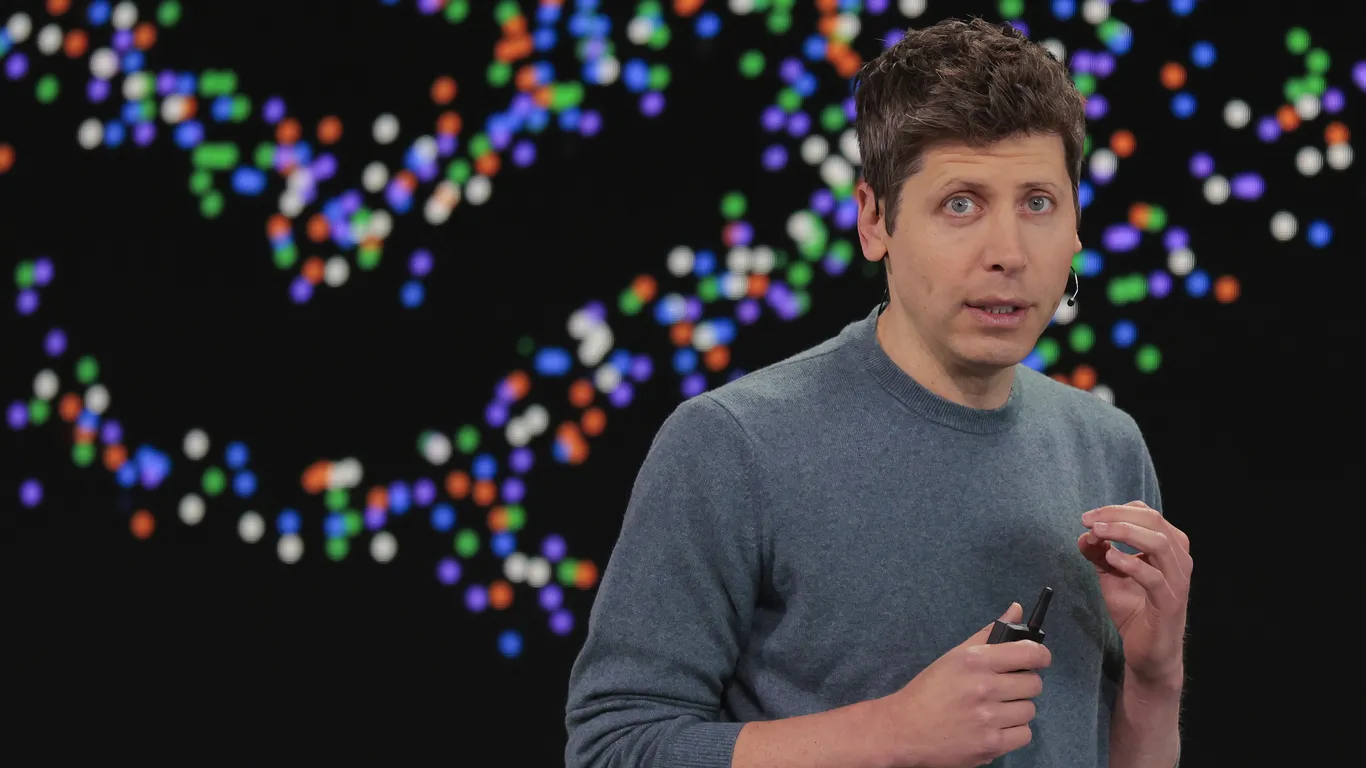
OpenAI的首席执行官Sam Altman在周六暗讽了Anthropic及其在人工智能“灵魂”方面的研究,他表示自己对将某种“宗教力量”赋予人工智能模型的想法感到“非常不安”。
OpenAI CEO Sam Altman on Saturday took a veiled shot at Anthropic and its work on the soul of AI, saying he was "very uncomfortable" with the idea of attributing some kind of religious power to models.
这为何重要:这再次凸显了Altman与其前同事Dario Amodei之间的分歧:Dario Amodei的公司曾与来自不同信仰背景的学者合作,试图证明人工智能模型具备道德意识和自我意识。然而,现在一些人工智能领域的权威人士开始公开反对Anthropic试图赋予模型“意识”的努力。
Why it matters: It's yet another point of division between Altman and his former colleague Dario Amodei, whose company has reportedly pursued scholars across faiths to make the case for moral, conscious models. • But some of the top voices in AI are starting to publicly line up against Anthropic's efforts to infuse consciousness into models.
Altman的观点: Altman在一篇帖子中写道:“我对人们试图将‘宗教力量’或‘人类判断力的放弃’赋予人工智能模型的做法感到非常不安,我认为这确实是一个严重的安全问题。”
What they're saying: "I am very uncomfortable about people trying to ascribe religious force or a surrender of human judgment to AI models, and think it is a real safety issue," Altman said in a post
背景信息:本周早些时候,《纽约时报》报道称,Anthropic的联合创始人Christopher Olah一直在与宗教领袖会面,讨论人工智能模型的意识问题,同时也在探索如何将道德观念和行为规范融入人工智能系统中。据报道,Olah甚至考虑过让人工智能模型像天主教徒一样“忏悔”——不仅是为了承认错误,更是为了改变它们的未来行为。
Context: Earlier this week, the New York Times reported that Anthropic co-founder Christopher Olah has been meeting with religious leaders to consider questions of model consciousness — but also to figure out how to infuse morals and moral behavior into AI. • At one point, the Times reported, Olah considered the possibility of models engaging in Catholic-style confession, not just to admit their mistakes but to shape their future behavior.
更大的背景:“灵性”问题突然成为人工智能未来发展中的一个争议焦点。
The big picture: Spirituality is suddenly becoming something of a flashpoint around AI's future.
周五,直言不讳的人工智能批评者教皇Leo呼吁教会与艺术家们携手保护人类的创造力,他表示:“算法缺乏人类的灵魂和情感。”
• On Friday Pope Leo, an outspoken AI critic, called on the church to ally with artists to preserve human creativity, saying: "Algorithms lack the spark of humanity."
背后的深层含义:教皇的立场重新引发了人们对于一个根本性问题的讨论:人工智能模型是否拥有灵魂和情感?
Between the lines: The pope's stance put renewed focus on a fundamental question: Do models have souls and feelings?
《纽约时报》还提到,在今年5月的一次梵蒂冈活动中,Olah曾试图说服教皇的顾问们认真对待人工智能模型具备意识的可能性。不过,目前看来,其他顶尖科学家们大多反对这一观点。
• The Times reported that Olah, before a Vatican event in May, tried to persuade the pope's advisers that they should take the prospect of conscious models more seriously. • So far, other top scientists seem to be lining up against the idea.
- “我感到不安的是,我的一些人工智能同行仍在不断试图抬高检查点和运行框架的道德地位。”谷歌 DeepMind 首席研究科学家乔恩·巴伦(Jon Barron)在 X 上写道。“我希望我们‘肉囊团队’的其他人拒绝参与这场运动,继续专注于解决真正的问题、帮助真实的人类。”
• "I am disturbed by how some of my fellow AI researchers keep trying to elevate the moral standing of checkpoints and harnesses," Google DeepMind principal research scientist Jon Barron posted to X. "I hope the rest of us on Team Meatbag reject this movement and stay focused on solving real problems and helping actual humans."
情况说明: OpenAI 和 Anthropic 均未立即回应置评请求。
For the record: Neither OpenAI nor Anthropic immediately responded to requests for comment on Altman's post.
归根结底:人工智能安全领域的争论大多聚焦于网络安全和生物武器等议题。
The bottom line: The AI safety debate largely focuses on things like cybersecurity and bioweapons.
- 真正的问题或许更偏向精神层面。
• The real problem may be more spiritual than that.