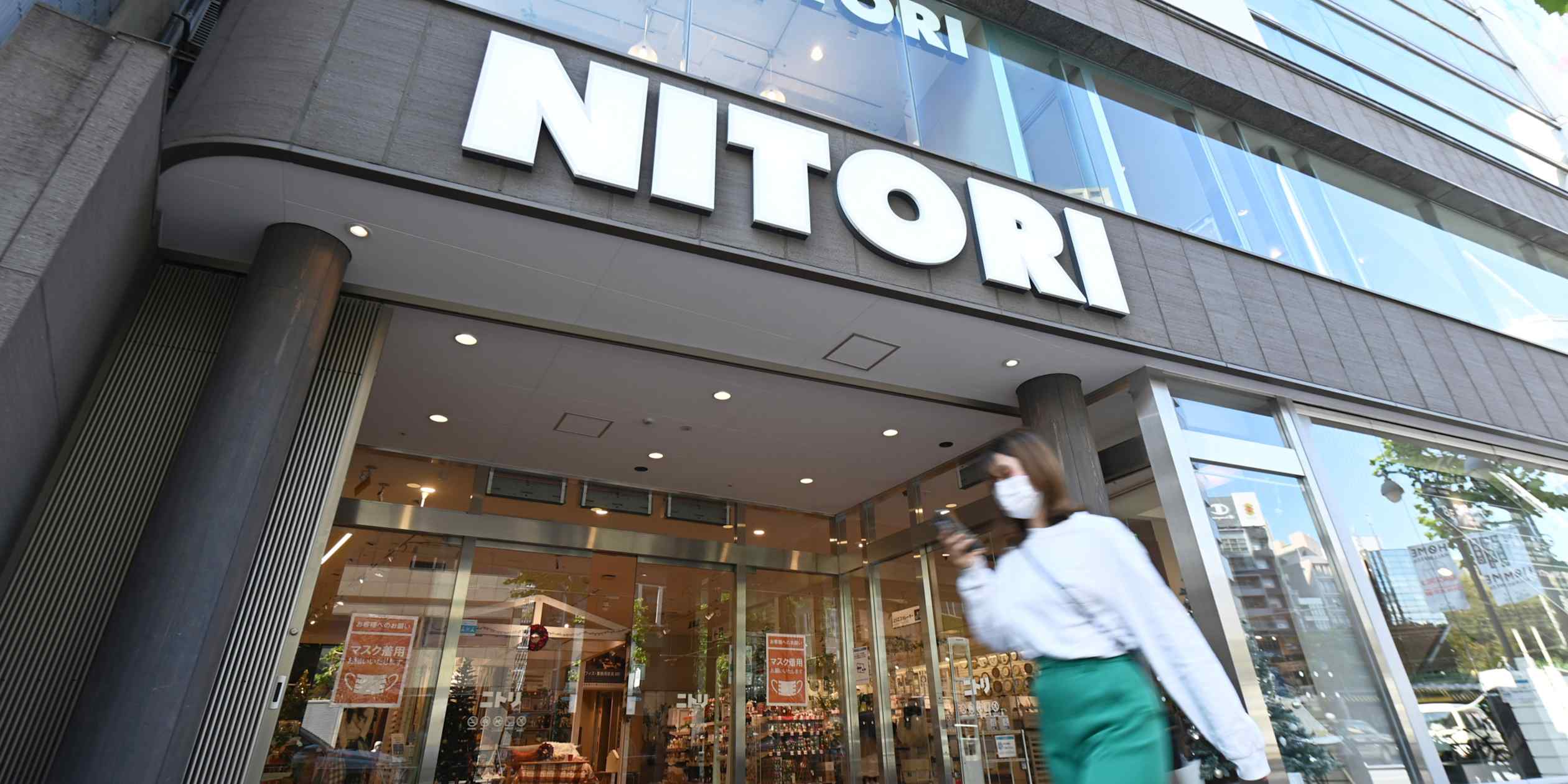
东京讯——日本知名家具零售商似鸟家具计划兴建日本规模最大的回收处理设施之一,此举旨在构建国内家具回收产业链并推动循环经济发展。
TOKYO -- Leading Japanese furniture retailer Nitori Holdings plans to open one of Japan's largest recycling facilities, part of an effort to build a domestic recycling supply chain and advance a circular economy.
该设施位于埼玉县,预计耗资约25亿日元(1600万美元),计划于2028财年上半年投入运营。整个园区占地15,000平方米,包含两座家具回收处理大楼以及办公与研发设施。
About 2.5 billion yen ($16 million) will be invested in the facility in Saitama prefecture, which is scheduled to begin operations in the first half of fiscal 2028. The 15,000-square-meter site will include two furniture recycling buildings and an office and research facility.
似鸟家具将拥有土地与建筑物的所有权,但回收作业将外包给第三方承包商。该设施每年可收集并拆解超过1万公吨的家具及家居用品,将其转化为可再利用的原材料。据称,该设施建成后将跻身日本最大的家具回收处理中心之列。
Nitori will own the land and buildings while outsourcing recycling operations to outside contractors. The facility will collect and dismantle more than 10,000 metric tons of furniture and home furnishings each year, converting them into reusable raw materials. Nitori said it will rank among the largest furniture recycling facilities in Japan.
根据日本环境省的数据估算,目前日本的家具回收率仅约20%,其余80%的家具最终沦为废弃物。相比之下,大型家电的回收率则高得多:回收的空调中有93%得以再利用,冰箱与冷柜的回收率也达到80%。
Based on estimates from Environment Ministry data, Nitori says Japan's furniture recycling rate is only around 20%, with the remaining 80% ending up as waste. By comparison, recycling rates for large household appliances are much higher, with 93% of collected air conditioners and 80% of refrigerators and freezers being recovered for reuse or recycling.
由于家具体积大、重量重且通常由木材、金属、塑料等多种材料混合制成,拆解过程成本高昂且极为耗时,因此回收难度较大。
Furniture is difficult to recycle because it is bulky, heavy and often made from a mix of materials including wood, metal and plastic, making dismantling costly and labor-intensive.
与受《家电回收法》约束、需消费者共同承担处理费用的大型家电不同,家具目前尚未被纳入专门的回收体系。正因如此,家具回收行业长期难以实现盈利,发展也相对滞后。
Unlike home appliances, which are covered by Japan's appliance recycling law and require consumers to share disposal costs, furniture is not subject to a dedicated recycling framework. As a result, furniture recycling has struggled to gain traction because it is difficult to achieve profitability.
长期以来,Nitori一直提供有偿的旧家具回收服务,但回收来的物品大多被直接废弃处理,而非进行循环利用。该公司表示,凭借自身的规模优势、稳定的退货流以及独有的物流网络,能够克服长期阻碍家具循环利用的成本难题。正是基于这一判断,公司才决定投资建设回收中心。
Nitori has long offered a paid collection service for unwanted products, but the items were disposed of rather than recycled. The company says its scale, steady flow of returned products and proprietary logistics network will allow it to overcome the cost barriers that have hindered furniture recycling. That assessment prompted the investment.
据Nitori介绍,该回收中心有望每年减少超过1亿日元的废弃处理及运营成本。回收所得的木材、金属等材料也将被出售,买家包括水泥厂和造纸厂等。
The recycling center is expected to cut annual disposal and processing costs by more than 100 million yen, according to Nitori. Recovered materials such as wood and metal will be sold, including to cement and paper manufacturers.
Nitori与宜家日本均以价格亲民的家具作为业务基石,助力更多消费者买得起家具,这种可负担性也带动了家具消费量的增长。作为向循环经济转型的一部分,Nitori计划对现有商业模式进行调整,使其更具可持续性。
Nitori and IKEA Japan have built their businesses on affordable furniture, helping make furniture purchases more accessible. That accessibility has also contributed to greater consumption. Nitori says it aims to reshape its business model into a more sustainable one as part of the transition toward a circular economy.
在欧洲及其他市场,“生产者延伸责任”理念早已深入人心——该理念要求生产商承担产品的废弃处理及回收利用责任。各国政府也相继出台相关法规以促进资源循环利用,从而有效提升了家具回收率。
In Europe and other markets, the concept of extended producer responsibility, under which manufacturers are responsible for the disposal and recycling of their products, is already well established. Governments have also introduced legislation to promote resource circulation, helping drive higher furniture recycling rates.
目前日本民众的环保意识也日益增强,尤其是年轻消费者群体,这为家具回收事业的发展创造了良好条件。波士顿咨询集团的一项调查显示,约60%的受访者表示希望购买对环境影响较小的产品。
Environmental awareness is also rising in Japan, particularly among younger consumers, creating favorable conditions for furniture recycling. According to a Boston Consulting Group survey, about 60% of respondents said they want to buy products with a lower environmental impact.
随着循环经济理念日益受到重视,各类回收举措正逐渐成为各大家具制造商的竞争焦点。
As interest in a circular economy grows, recycling initiatives are emerging as a competitive battleground for major furniture makers.
宜家日本于2017年推出了旧家具回购服务:回收来的家具经翻新后以优惠价格重新出售,公司还会免费提供替换零件以延长产品使用寿命。
IKEA Japan launched a buyback service for used IKEA furniture in 2017. It refurbishes returned products and resells them at discounted prices, while also providing replacement parts free of charge to extend product life.
无印良品品牌的运营方良品计划同样会回收旧家具,经修复后再重新销售。
Ryohin Keikaku, operator of the Muji brand, also collects used furniture, repairs it and resells it.
日本家具市场中,Nitori占据了约20%的份额。该公司还计划利用回收设施收集来的家具,开展翻新与再销售业务。为此,Nitori计划积累家具拆解与粉碎方面的技术经验,并将其应用于设计更易于回收的产品。
Nitori, which holds roughly a 20% share of Japan's furniture market, also hopes to expand into a furniture refurbishment and resale business using items collected through the recycling facility. The company plans to build expertise in furniture dismantling and shredding and apply that knowledge to designing products that are easier to recycle.
最终,该公司的目标是建立起涵盖产品开发、生产及回收的完整体系,从而打造出更具可持续性的商业模式。
Ultimately, it aims to establish an integrated system spanning product development, manufacturing and recycling, creating a more sustainable business model.