2011年,我与科学家和工程师们一起前往尼泊尔珠穆朗玛峰地区,考察了海拔约17,000英尺处的伊姆贾湖(Lake Imja)。当时,我正安全地待在秘鲁的家中,看着因全球变暖而导致的永久冻土层融化所带来的严重后果——这些后果正在尼泊尔北部拉苏瓦(Rasuwa)地区显现出来。当冰川消退时,它们会在地表留下凹陷;融化的冰水会逐渐填满这些凹陷,直到冰川承受的压力过大,或者发生地震。
In 2011, I trekked with scientists and engineers to about 17,000 feet to look at Lake Imja in Nepal's Everest region. I thought about that expedition from the safety of my home in Peru as I watched the awful consequences of permafrost weakened by warming upon the northern district of Rasuwa, near Nepal’s border with Tibet. When glaciers recede, they leave an indent created by their weight. Melt from the glacier fills that bowl, growing until the pressure gets too great, or an earthquake hits.
1953年埃德蒙·希拉里爵士(Sir Edmund Hillary)首次登顶珠穆朗玛峰时,伊姆贾湖还不存在;到了2011年,它已成为尼泊尔约1,600个冰川湖中扩张速度最快的湖泊之一。在我们的考察中,这个人工形成的湖泊从冰川延伸出一英里半的距离,其存在依赖于一些不稳定的碎屑结构来维持稳定。一旦发生地震或这些临时坝体受到破坏,湖水就会溢出,对尼泊尔的脆弱社区造成灾难性后果。
Lake Imja did not exist in 1953, when Sir Edmund Hillary conquered Everest. By 2011, it was the fastest-growing of some 1,600 glacier lakes in Nepal. On our visit, the artificial lake stretched down from the glacier for a mile and a half, held in place by a precarious mix of debris. An earthquake or pressure on the makeshift dam could release water with disastrous consequences for vulnerable communities in Nepal.
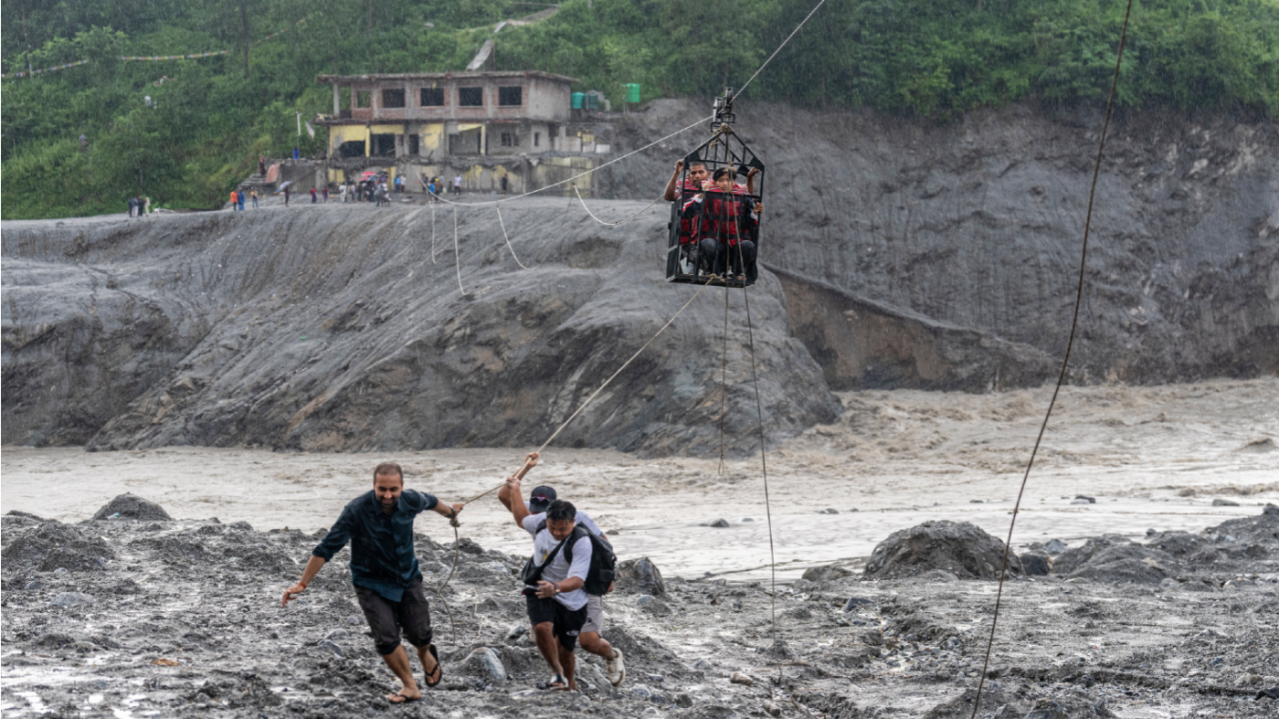
8月26日,全世界都目睹了另一种灾难的后果:一块巨大的冰川碎片从高处坠落(可能相当于纽约市一栋大型建筑的大小),坠落高度达4,000英尺,引发了海啸。巨大的冲击力将冰块、积雪、水、岩石和泥浆以及建筑物一起卷入湍急的河流中,冲毁了沿途的村庄、基础设施和人类生命。飓风般强烈的风势更是将树木连根拔起。
On Aug. 26, the world watched the consequences of a different version of what we feared. Above Rasuwa, a broken chunk of glacier, likely the size of a big New York City building, fell 4,000 feet, setting off a tsunami. Friction at that velocity melts ice. A great wave gathered ice, snow, water, rocks and mud — and then structures — to cascade down the narrow valleys, wiping out lives, communities and infrastructure. Hurricane-force winds leveled trees.
虽然我现在安然无恙,但我深知类似的灾难完全有可能在我的祖国以及其他山区再次发生。随着地球持续变暖,那些被削弱了的冰川和积雪最终会以各种方式对下游地区造成毁灭性破坏。
I’m safe as I write, but some version of the same can and likely will happen in my country and other mountainous regions, and again in Nepal. Towers of ice and snow weakened by a quickly heating planet will, one way or another, wreak havoc down-mountain in vulnerable landscapes.
从伊姆贾湖的考察归来后,我们深感震惊,同时也开始思考如何提前预警并防范这些灾难。通过配备实时传感器的预警系统以及卫星通信技术,我们可以及时检测到冰川融水的突发情况,并向下游社区发出警报,从而减少灾害带来的损失。
We came back from our Lake Imja expedition shaken, but also with thoughts about how to anticipate and prepare against these disasters. Early warning systems with real-time sensors and satellite communications can detect sudden water releases and alert downstream communities.
降低高风险冰川湖泊的水位可能有助于减轻潜在的灾害;在条件允许的情况下,还可以对建筑物和基础设施进行改造,以增强其抵御灾害的能力。伊姆贾湖(Lake Imja)的情况与拉苏瓦湖(Rasuwa Lake)有所不同,但两者面临的危险是相同的,且伊姆贾湖的情况更类似于我所在国家的情况。在秘鲁,帕尔卡科查湖(Palcacocha Lake)位于瓦拉兹省(Huaraz Province);该地区安第斯山脉的雪峰正在逐渐融化,这导致了与尼泊尔类似的环境问题。
It could help to slowly lower water levels in high-risk glacial lakes and, where possible, to future-proofing buildings and installations. Lake Imja was a slightly different situation than what happened in Rasuwa, but it carries the same danger and is more like the situation in my country. In Peru, Palcacocha is a glacial lake in Huaraz Province. The spectacular snow-covered peaks of that part of the Andes mountain range are warming, creating the same conditions as we saw in Nepal.
有十万多人生活在帕尔卡科查湖周边,包括许多社区和学校——如果湖水突然溢出并引发连锁反应,这些地区将直接受到威胁。作为秘鲁安第斯山区研究所(Instituto Andino de Montaña)的执行主任,我的职责之一就是说服瓦拉兹市政府建立早期预警系统;经过努力,我们终于实现了这一目标。然而,当我们试图促使政府官员投入资金并采取工程措施来降低湖水水位时,却遇到了官僚主义、推诿责任、优先级混乱以及担心会吓跑游客等问题,导致没有任何资金或实际行动被落实。
One hundred thousand people live below our lake, including communities and schools that inevitably will be directly in the pathway should meltwater be released and trigger a chain reaction not unlike what happened in Nepal. Part of my job as executive director of the Instituto Andino de Montaña in Peru was to persuade the city of Huaraz to put an early warning system in place. After much effort, we achieved that. But when we tried to get officials to commit to engineering to lower the lake’s water level, we encountered red tape, indolence, wrong priorities and fear of scaring away tourists.
从那以后,我们只能祈祷情况能够好转。不过,随着厄尔尼诺现象的持续影响,今年很可能是我们最担心的事情发生的时刻。我在农村地区工作的当地居民对政府能否保护他们免受这些灾害的侵害毫无信心。瓦拉兹距离首都利马(Lima)非常遥远,那些处于危险中的人们感到自己被忽视了。联邦政府的官员试图将责任推给地方政府或私营部门,但无论是地方政府、省级政府还是地区级政府,都没有足够的技术能力来应对这种复杂的工程挑战。
No funding or commitment was forthcoming. Since then, we have been holding our breath and hoping for the best. But with the ongoing El Niño event, this could be the season when our worst fears come about. The grassroots Peruvians I work with in the countryside have no trust that government officials will protect them against these well-known risks. Huaraz is very far from Lima, our capital, and the people at risk feel invisible. Officials at the federal level are trying to pass the buck to local and private actors.
即使是我获得博士学位的美国,也同样无法幸免于这些灾害的影响——融化的冰川已经引发了严重的洪水和山体滑坡。自2011年以来,阿拉斯加朱诺(Juneau)附近的门登霍尔冰川(Mendenhall Glacier)上的“自杀盆地”(Suicide Basin)每年都会发生冰川湖溃决引发的洪水。
But no one at the local, provincial or even regional level has the technical capacity to take on this challenging engineering work. The U.S., where I got my Ph.D., is not immune. Melting glaciers already trigger disastrous floods and mudslides. A glacial lake outburst flood has occurred every year since 2011 at Suicide Basin, on the Mendenhall Glacier near Juneau, Alaska.
2003年,怀俄明州风河山脉中的“蚱蜢冰川”(Grasshopper Glacier)迅速消退,导致冰川湖溃决并引发洪水。如今,美国各地的社区面临着另一种更为隐蔽、危害性更小的威胁:随着冰川融化,有毒矿物质和金属会渗入当地水源,从而逐渐破坏生态环境(而非直接造成灾难性破坏)。如果这种威胁在我国或其他美国社区真正发生,政府肯定会宣布哀悼。
The rapid retreat of the Grasshopper Glacier in Wyoming’s Wind River Mountains triggered a glacial lake outburst flood in 2003. American communities will suffer a quieter, less visible threat — the toxic minerals and metals from melting glaciers that leak into local water supplies, eroding life rather than blasting it away. If disaster happens anywhere, in my country, or any number of American communities as this threat evolves, there will be official mourning.
那么,为何不把那些用于哀悼的资源与同情心投入到实际行动中,去拯救人们的生命呢?Jorge Recharte Bullard博士自2020年起担任“安第斯山区研究所”(Instituto Andino de Montaña)的主席;在1997年至2019年间,他曾担任该研究所的安第斯项目负责人。
Why not invest that energy and empathy into acting now and saving lives, rather than grieving them? Jorge Recharte Bullard Ph.D. has served as president of Instituto Andino de Montaña, the Mountain Institute’s Legacy Institution, since 2020. He was director of the Andean program of The Mountain Institute between 1997 and 2019.