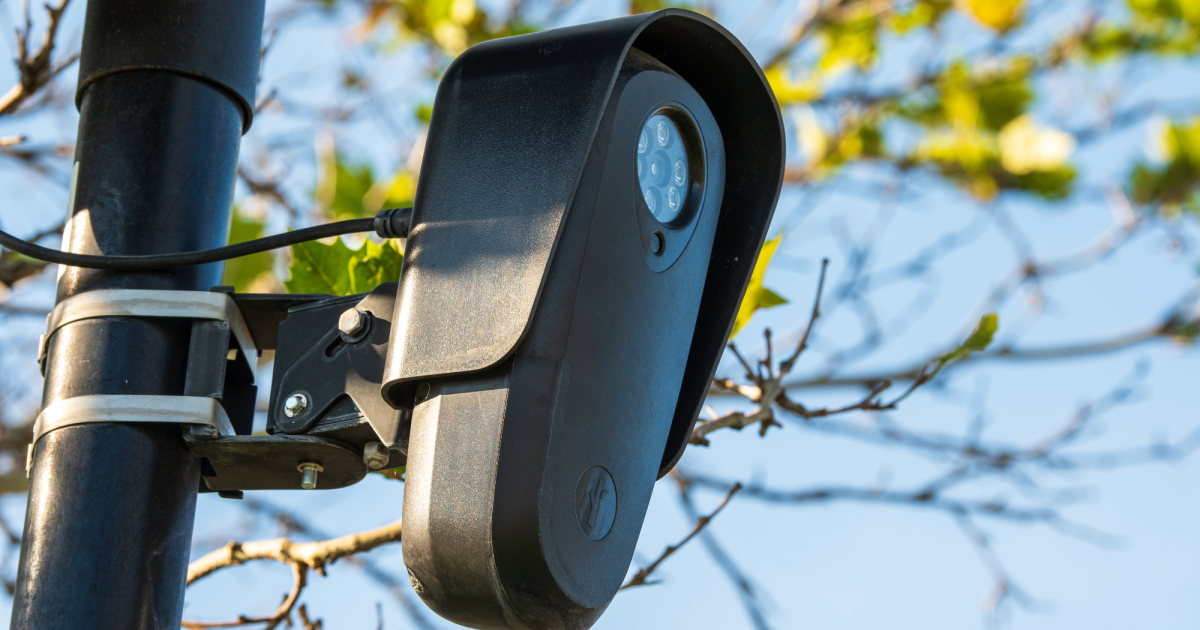
过去六个月里,越来越多的美国人开始意识到自动车牌识别系统(ALPR)的存在。目前,全美近80%的警察部门都在使用这一系统来追踪车辆及其驾驶员,且无需申请搜查令。这些识别装置被安装在电线杆和交通信号灯上,悄然侵入了美国人生活中最为私密的空间——汽车内部。民众对此怒不可遏。与全国各地大量涌现的数据中心类似,这些摄像头也引发了两党的一致强烈反对。
Over the past six months, Americans have become increasingly aware of automated license plate readers, used by almost 80 percent of American police departments to trace vehicles and their drivers without the hassle of a warrant. ALPRs perch on power poles and stoplights, quietly encroaching on the most sacred silo of American life—the car. People are pissed Like the slew of data centers cropping up across the country, the cameras have inspired fierce bipartisan backlash.
随着ALPR系统的日益普及,各社区纷纷向地方立法者施压以加以限制,结果全美各地的多个市、县都取消了相关合同、拆除了摄像头,甚至直接颁布禁令予以禁用。
As ALPRs proliferate communities have pressured local lawmakers to rein them in, leading municipalities and counties nationwide to cancel contracts, remove the cameras, or ban them altogether.
如今,形形色色的候选人——无论是地方还是全国性人物,无论是自由派还是保守派——都纷纷将Flock公司及其产品作为竞选的核心议题。随着2026年中期选举日益临近,佛罗里达州、密歇根州和宾夕法尼亚州等关键摇摆州的共和党与民主党人士都试图通过承诺对缺乏监管的监控技术加以约束来争取选民支持。各类政客似乎都突然意识到:必须让Flock从当地消失才行。“如今,‘Flock’已然成了一个禁忌词汇。”
Now, a surprising cross-section of candidates—local, national, liberal, conservative—are putting Flock at the heart of their campaigns. With 2026’s midterm elections fast approaching, both Republicans and Democrats in battleground states like Florida, Michigan, and Pennsylvania are wooing voters by promising to place guardrails on unregulated surveillance technologies. Politicians of all stripes suddenly seem to think that they need to get Flock out of here. “Flock has become a four-letter word.”
像Flock这样的自动车牌识别系统借助算法驱动的摄像头,建立起可检索的数据库,记录下过往车辆的车牌号、时间、位置、品牌、型号及颜色等信息。今年3月,Flock首席执行官加雷特·兰利宣称,该公司的摄像头占据了全美自动车牌识别摄像头总量的约80%,并在2025年“协助侦破”了100万起犯罪案件。(不过现有证据并不能证实兰利所说的这一数字。)
ALPR systems like Flock use algorithmically powered cameras to compile searchable databases of the license plate numbers, time, location, make, model, and color of passing cars. Flock CEO Garret Langley claimed in March that his company’s cameras, which make up about 80 percent of the total mapped ALPR cameras in the US, “solved” one million crimes in 2025. (The available evidence doesn’t back up Langley’s numbers Although police can, for example, use Flock cameras to try to track down a missing person or stolen car, reports also abound of cops using ALPRs to stalk their exes track an abortion-seeker across state lines, and provide information to ICE The lack of strict standards around their use—and concerns over the erosion of privacy and civil liberties—have become a major concern across party lines as communities debate if, and how, the tech should be used.
虽然警方确实可以借助Flock的摄像头来寻找失踪人员或被盗车辆,但也有大量报道指出,警察利用这些系统跟踪前任伴侣、追踪跨州寻求堕胎服务的女性,甚至向美国移民与海关执法局提供相关信息。由于相关使用规范尚不完善,加之人们对隐私与公民自由可能遭到侵犯的担忧日益加剧,这一问题已成为跨党派关注的焦点——各地民众正在激烈讨论是否以及该如何规范此类技术的使用。
A September survey of more than 1,400 adults by the nonprofit National Policing Institute found that public approval of ALPRs depended on the justification: 80 percent approved of their use to find missing children or investigate violent crimes, but about three-fourths disagreed with using the cameras for immigration enforcement or “routine traffic or parking enforcement.”
今年9月,非营利机构“国家警务研究所”对1400多名成年人展开调查,结果显示公众对自动车牌识别系统的态度取决于使用目的:80%的受访者支持将其用于寻找失踪儿童或调查暴力犯罪,但约四分之三的人反对将其用于移民执法或“常规的交通、停车管理”。超过半数受访者表示,如果相关执法部门能采取措施防止系统被滥用,他们对该技术的支持度也会随之提高。
More than half said their support for the systems would increase if their department “adopted safeguards” against abuse.
距离多场备受瞩目的选举仅剩一个月,公众对Flock及其同类企业的担忧与日俱增。在此背景下,各政治派别的国会候选人及现任议员纷纷呼吁重新完善目前零散无序的监管体系,以规范这些系统的使用。尽管Flock方面正在加大公关力度,但至今仍未能争取到多少左右两派政治人物的支持。(有一个显著的例外:唐纳德·特朗普曾表示:“我喜欢这些摄像头。”虽然自动车牌识别系统自20世纪90年代起就已出现,但一项调查显示,2018年时仍有90%的民众不清楚当地警察部门是否使用了这项技术。如今,随着公众对Flock及类似摄像头的关注度与争议度不断上升,政界人士纷纷急于采取应对措施。
With a month to go until a slew of intensely contested elections and public concern over Flock and its competitors only growing, congressional candidates and sitting legislators across the political spectrum are calling to rework the patchwork regulatory system that governs the cameras’ use. And while Flock’s public relations efforts seem to be ramping up, they have brought few politicians to their side on either the right or the left. (A notable exception: Donald Trump who has said “I like them” with regard to the cameras.) While ALPRs have been around since the 1990s, 90 percent of people didn’t know whether their local police department used the technology in 2018, according to one poll the new wave of public awareness and controversy around Flock and similar cameras has left politicians scrambling to catch up.
“目前大多数地区都缺乏关于自动车牌识别系统使用的明确法规,”纽约大学警务项目技术法律与政策副主任克莱尔·加维指出。这为那些希望出台相关监管措施、直接禁止使用该技术或限制其使用范围的政客们提供了机会。
“Most jurisdictions don’t have clear regulation around the use of ALPRs,” said Clare Garvie, deputy director of technology law and policy at New York University’s Policing Project. That provides an opening to politicians willing to promise regulation, outright bans, or just constraints on who gets to use them.
据美国司法部统计,目前全美范围内已有超过12万台自动车牌识别摄像头投入使用。人口超过100万的城市的警察部门全部都配备了此类设备,拥有500名以上持证执法人员的治安官办公室中也有90%在使用它们。不过这一趋势可能正在发生变化:据倡导组织DeFlock统计,仅过去一年就有50多个城市终止了与Flock及其他自动车牌识别系统供应商的合作。
Today, there are more than 120,000 ALPR cameras across the country. 100 percent of police departments serving more than one million residents use them, according to Bureau of Justice statistics as do 90 percent of sheriffs’ offices with 500 or more sworn deputies. But that tide could be shifting: in the past year alone, more than 50 municipalities have cut ties with Flock and other ALPR vendors, according to the advocacy group DeFlock.
“这些技术究竟在哪些地方被应用、普及程度如何、实际摄像头数量有多少,以及数据会被保存多久——这些问题长期以来都缺乏透明度,”加维补充道。
“There’s been a widespread lack of transparency around where these tools are implemented, how widespread they are, how many actual cameras there are, [and] how long the data is kept,” Garvie added.
“我们看到民众对此普遍持反对态度,许多社区也感到十分沮丧,因为他们从未被告知,也从未参与到是否使用这项技术的决策过程中。”9月23日,由密苏里州共和党人乔什·霍利与伊利诺伊州民主党人迪克·德宾共同牵头的参议院委员会——这两人均以反对监控的倡导者身份著称——就自动车牌识别系统的改革问题举行了听证会。他们邀请了Flock、Axon、摩托罗拉以及Verkada的代表出席,但无人到场。
“We see widespread opposition to this and frustration on the part of communities that they were never informed; they were never involved in this decision to use the technology in the first place.”On September 23, a Senate committee led by Republican Josh Hawley of Missouri and Democrat Dick Durbin of Illinois—both of whom have staked out positions as anti-surveillance crusaders—held a hearing on ALPR reform. They invited representatives from Flock, Axon, Motorola, and Verkada—but none of them showed.
“无论技术如何发展,我们都必须设法保护并落实《权利法案》以及这个国家每一位守法公民的基本自由,”霍利当时说道。一周后,这位密苏里州共和党人宣布计划推出《制止自动车牌识别滥用法案》,该法案旨在禁止地方政府向非政府第三方出售或共享车辆数据,规定大多数情况下数据留存期限不得超过十天,并对此类摄像设备的使用施加其他限制。
“We’ve got to find a way to protect and enforce the Bill of Rights and the basic personal liberties of every law-abiding citizen in this country, no matter what the technology is,” Hawley said at the time. A week later, the Missouri Republican announced plans to introduce the Stop Flock Act which would prevent local governments from selling or sharing vehicle data with non-governmental third parties, limit data retention to ten days in most cases, and impose other restrictions on the cameras’ use.
事实上,仅9月份就有至少四项旨在限制自动车牌识别技术使用的法案被提交至国会。到了10月2日,又有一项新法案的草案公布——这次的提案者则是民主党人伯尼·桑德斯、亚历山德里娅·奥卡西奥-科尔特斯和杰夫·默克利。
In fact, at least four different bills were introduced in Congress in September alone that would limit ALPR use. By October 2, the text of yet another bill—this time from Democrats Bernie Sanders, Alexandria Ocasio-Cortez, and Jeff Merkley—was announced.
11月选举结束后,一批跨党派的议员有望推动联邦层面关于自动车牌识别技术的监管法规落地。
And after November’s elections, a new bipartisan batch of legislators could help push federal regulations on ALPRs forward.
佛罗里达州民主党联邦参议员候选人安吉·尼克松将“保护隐私、终结大规模监控”作为这场竞争激烈的选举竞选活动的核心内容。尼克松提议制定“联邦标准”:要求执法人员在查阅自动车牌识别数据前必须获得搜查令,设定强制性的数据删除期限,同时规定在签订或续签相关设备使用合同前必须获得当地社区的同意,等等。
Angie Nixon, Florida’s Democratic Senate nominee has made “protect[ing] privacy and end[ing] mass surveillance” a core component of her campaign for a hotly contested election. Nixon proposes “federal standards,” requiring law enforcement officials to obtain a warrant before accessing ALPR data, imposing a mandatory data deletion period, and mandating community consent at the local level before ALPR contracts are signed or renewed, among other things.
“我知道很多人都在说:‘我们必须防止犯罪发生,’”尼克松在一次采访中表示,“防止犯罪发生的方法,就是解决犯罪的根本原因,而这一根本原因往往在于人们无法获得优质的高薪工作或医疗服务,甚至连最基本的需求都无法满足。”关于自动车牌识别(ALPR)系统在威慑或调查犯罪方面的有效性,目前的研究非常有限。
“I know folks are saying, ‘We’ve got to keep crime from happening,’” Nixon said in an interview with “The way you keep crime from happening is by addressing the root cause of crime, which is oftentimes people not having access to quality, good-paying jobs or access to healthcare, just the most basic needs.”There’s little research on the effectiveness of ALPR systems at deterring or investigating crimes.
首先,这些系统经常错误识别车辆——这可能导致灾难性的后果。例如,佛罗里达州女子林赛·艾萨克斯就因一辆Flock摄像头错误地将她的道奇Durango标志为一起致命撞人逃逸案的涉事车辆,而被错误监禁了13天,并面临三重谋杀指控。
For one thing, they often misidentify vehicles—which can lead to devastating consequences, as in the case of Lindsey Isaacs a Florida woman wrongfully jailed for 13 days on triple homicide charges after a Flock camera incorrectly flagged her Dodge Durango as the vehicle involved in a fatal hit-and-run.
就连佛罗里达州共和党州长罗恩·德桑蒂斯——其政策立场与尼克松截然不同——也希望限制ALPR系统的使用:今年9月初,他禁止在州级公路上安装这些摄像头。尼克松并非唯一以Flock系统为议题进行竞选的候选人。另一位正在争夺关键选区席位的进步派参议员候选人、密歇根州的阿卜杜勒·埃尔-赛义德,也发出了对ALPR系统的警告。
Even Florida’s Republican Gov. Ron DeSantis, whose policy positions couldn’t be further from Nixon’s, wants to tamp down on ALPRs: In early September, he banned the cameras on state highways Nixon isn’t the only candidate campaigning on Flock. Another progressive Senate candidate fighting for a battleground seat, Michigan’s Abdul El-Sayed, has also raised alarms about ALPRs.
8月底,埃尔-赛义德发布了一段关于Flock系统以及他的共和党对手迈克·罗杰斯与日益扩张的监控国家之间所谓关联的视频。你是否曾感到自己仿佛被关在笼中,时刻被人监视?
In late August, El-Sayed released a video about Flock and his Republican opponent Mike Rogers’ alleged links to the booming surveillance state. Does it ever feel like you're in a cage being watched?
事实上,你确实如此。正是Flock摄像头在监视你,而这一切都要归功于迈克·罗杰斯。
Well, you are. By Flock cameras, thanks to Mike Rogers.
2026年8月19日 尽管罗杰斯和埃尔-赛义德在大多数议题上几乎没有共同点,但如今他们正试图在Flock系统问题上相互超越,因为密歇根州各地的社区都对这些摄像头表达了愤怒。
August 19, 2026 While Rogers and El-Sayed have little in common on most issues, they’re now trying to outflank each other on Flock as communities across Michigan voice ire towards the cameras.
“阿卜杜尔收到了来自全州各地选民关于Flock摄像头的担忧之声,”竞选发言人科尔·沃兹尼亚克在邮件中说道。“如果成功进入美国参议院,他将致力于在保障社区安全的同时,维护民众的隐私权。”
“Abdul has heard concerns about Flock cameras from voters in every corner of the state,” campaign spokesperson Cole Wozniak said in an email. “In the United States Senate, he will fight to both keep communities safe while protecting our fundamental rights to privacy.”
当被福克斯新闻数字频道问及罗杰斯对Flock摄像头的看法时,其竞选团队发言人表示,罗杰斯“强烈反对毫无限制地使用Flock摄像头来监视守法公民”,并补充道:“安全与自由并非对立关系,良好的政府应当兼顾两者。”在蒙大拿州和田纳西州,一些无党派国会候选人甚至用枪射击Flock摄像头(或仿制模型),以此表达对该技术的反对立场。近几周来,艾奥瓦州、得克萨斯州、佛罗里达州及亚利桑那州两大政党的州长候选人均将废除或限制自动车牌识别技术的使用纳入自身竞选纲领。
A spokesperson for Rogers’ campaign, asked about the candidate’s views on Flock by Fox News Digital said he “vehemently opposes unchecked use of Flock cameras to track law-abiding citizens,” adding that “Security and liberty aren’t enemies. Good government protects both.”Independent congressional candidates in both Montana and Tennessee even shot Flock cameras (or dummy Flock cameras) with guns to make their case against the technology. Gubernatorial candidates of both major parties in Iowa, Texas, Florida, and Arizona have all made abolishing or limiting ALPR use part of their platforms in recent weeks.
以艾奥瓦州的州长候选人为例,民主党人罗布·桑德与共和党人扎克·拉恩均表示会签署州级自动车牌识别技术监管法规。拉恩的态度更为强硬:他在8月份称这些摄像头“严重侵犯了宪法第四修正案所保障的权利”。而曾担任检察官的桑德则更强调由地方当局对该技术实施管控,并未直接谴责这项技术或任何相关企业。
Both candidates for the governor’s office in Iowa, Democrat Rob Sand and Republican Zach Lahn, for example, have said they would sign state-level ALPR regulations Lahn is more absolutist: the cameras constitute “an unbelievable Fourth Amendment violation,” he said in August. Sand, a former prosecutor, has centered his platform more on local control of ALPRs, without condemning the technology or any specific company.
就连目前并未参与竞选的政界人士,比如宾夕法尼亚州的温和派共和党参议员丹·劳克林,也提议禁止使用Flock及同类自动车牌识别摄像头。这一举动表明,该技术未来仍可能成为跨党派争议话题——或者说明政界人士担心它已然成为引发党内分歧的敏感议题。
Even leaders not currently on the campaign trail, like moderate Republican Sen. Dan Laughlin in Pennsylvania, have proposed banning Flock and similar ALPR cameras, signaling that the technology could remain a bipartisan issue in years to come—or that they fear it’s already a wedge issue for their colleagues.
“公共安全是我们所有人都高度重视的责任,”劳克林在一份公开声明中说道,“但实现这一目标并不需要建立一个能够追踪数百万无辜民众日常行踪的监控网络。”
“Public safety is a responsibility we all take seriously,” Laughlin said in a public statement“But it should not require building a surveillance network capable of tracking the daily movements of millions of innocent individuals.”
“我认为Flock实际上代表了更广泛的自动车牌识别技术,”纽约大学的加维说道。“我们看到社会各界对此强烈反对,许多民众也感到愤慨——他们事先并未得到任何通知,也从未参与过是否使用该技术的决策过程。”
“I think Flock is standing in for [ALPR] technology more broadly,” said NYU’s Garvie. “We see widespread opposition to this and frustration on the part of communities that they were never informed, they were never involved in this decision to use the technology in the first place.”
正如亚利桑那州的一位警长在霍利的参议院听证会上所言:“如今,‘Flock’已然成了一个令人避之不及的词汇。”
As one Arizona sheriff said at Hawley’s Senate hearing, “Flock has become a four-letter word.”