从埃斯瓦蒂尼的在线赌博团伙,到肯尼亚的SIM卡替换骗局,再到赞比亚的网络犯罪网络,一波跨境欺诈浪潮正促使非洲各国政府与中国加强安全合作。
From online-gambling rings in eSwatini to SIM swapping in Kenya and cybercrime networks in Zambia, a wave of cross-border fraud is drawing African governments and China into closer security cooperation.
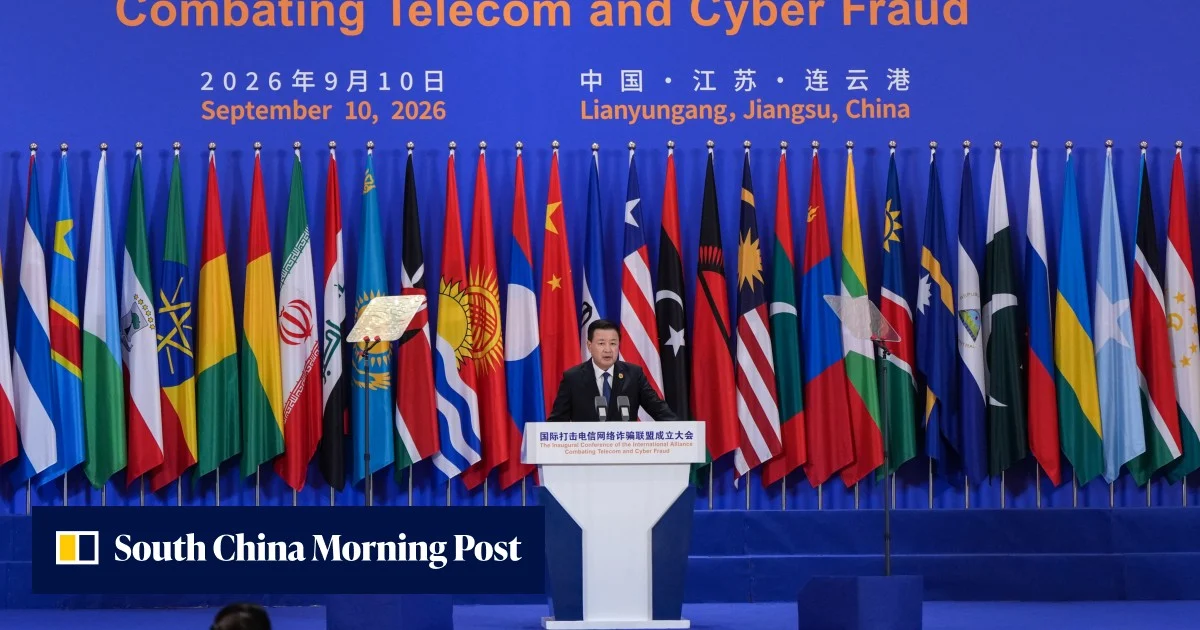
9月10日,中国江苏省连云港市接待了东非安全部长和警察局长,双方就恐怖主义、绑架、网络诈骗及其他跨境威胁问题举行了会谈。
China hosted East African security ministers and police chiefs in Lianyungang, Jiangsu province, on September 10 for talks on terrorism, kidnapping, online fraud and other cross-border threats.
中国公安部副部长王小洪表示,北京将加强与东非地区执法合作,共同打击恐怖主义、绑架、非法拘禁以及电信和网络欺诈。
China’s public security minister, Wang Xiaohong, said Beijing would strengthen law-enforcement cooperation with East Africa and work jointly against terrorism, kidnapping, unlawful detention, and telecoms and online fraud.
同一天,中国发起成立了打击电信和网络欺诈国际联盟,肯尼亚等46个国家成为创始成员国。
On the same day, China launched the International Alliance Combating Telecoms and Cyber Fraud, with 46 founding countries including Kenya.
中国表示,该联盟将促进定期的执法合作、专业训练、联合演习以及针对跨境电信欺诈的协同行动。
China said the alliance would promote regular law-enforcement cooperation, professional training, joint drills and coordinated action against cross-border telecoms fraud.
北京方面希望保护中国在非洲的公民、企业和项目,因为中国在非洲拥有广泛的商业利益;而非洲各国政府则希望获得更好的警察培训、技术支持和情报共享渠道。
Beijing seeks to protect Chinese citizens, companies and projects in Africa, where it has vast commercial interests, while African governments are seeking better access to police training, technology and intelligence sharing.
观察人士指出,警方合作使中国能够在不建立正式联盟或大规模驻军的情况下,扩大其安全影响力。
Observers say police cooperation allows China to expand its security role without formal alliances or a large military footprint.
英国皇家联合服务研究所国际安全研究助理亚历山德罗·阿基尔多表示,连云港发起的打击电信和网络欺诈倡议,契合了北京在中国“全球安全倡议”框架下,扩大与非洲安全合作的更广泛努力。
According to Alessandro Arduino, an associate fellow in international security at Britain’s Royal United Services Institute, the Lianyungang initiative against telecoms and online fraud fits into Beijing’s broader effort to expand its security engagement with Africa under China’s Global Security Initiative.
阿基尔多说:“网络欺诈是非洲一个根深蒂固的问题,这为中国提供了一个尤为有效的切入点,因为它既是一个真正的跨国安全问题,又直接影响了遍布非洲的中国公民和投资项目。”
“Cyberfraud, an endemic problem in Africa, provides China with an especially useful entry point, as it is a genuine transnational security problem but one that also directly affects Chinese citizens and investments across Africa,” Arduino said.
他补充说,北京正通过多边机构和既有的警务网络(包括国际刑警组织)开展合作,同时推动由中国发起的情报共享和联合执法行动机制。
He added that Beijing was working through multilateral institutions and established policing networks, including Interpol, while promoting China-initiated mechanisms for intelligence sharing and coordinated law-enforcement operations.
在地方层面,Arduino表示:“中国正在稳步扩大对非洲警察和安全官员的培训,这种能力建设明确纳入了中非安全议程。”就在江苏会谈前几周,中国曾警告本国公民离开埃斯瓦蒂尼,原因是该国被指控存在电信欺诈和赌博犯罪。8月25日的一份通告警告称,已在埃斯瓦蒂尼的中国公民和组织应“尽快撤离或迁往相对安全的地区,例如南非”。
At the local level, Arduino said, “China is steadily expanding the training of African police and security officials, capacity building that is explicitly included in the China-Africa security agenda.”Just weeks before the Jiangsu talks, China warned its citizens to leave eSwatini over alleged telecoms fraud and gambling crimes. Chinese nationals and organisations already in eSwatini should “evacuate or relocate to relatively safer areas such as South Africa as soon as possible”, it warned in an August 25 advisory.
这一警告是在3月份警方对埃斯瓦蒂尼首都姆巴巴内及其周边地区涉嫌非法在线赌博的窝点展开突击搜查之后发布的。据报道,在搜查中被捕的40名中国公民截至8月底仍被拘留。
The warning followed police raids in March on suspected illegal online gambling centres in and around Mbabane, Eswatini’s capital. Forty Chinese nationals arrested during the raids reportedly remained in detention in late August.
类似的调查也在非洲其他地区进行,包括赞比亚。8月,赞比亚当局在首都卢萨卡对一处涉嫌网络犯罪的窝点展开突击行动,逮捕了79人,其中包括11名中国公民。
Similar investigations are under way elsewhere in Africa, including in Zambia where authorities in August detained 79 people, including 11 Chinese nationals, in a raid on a suspected cybercrime operation in the capital Lusaka.
9月1日,四名中国公民因涉嫌SIM卡替换和洗钱计划,在肯尼亚首都内罗毕出庭受审。
On September 1, four Chinese nationals appeared in court in Kenyan capital Nairobi over an alleged SIM-swapping and money laundering scheme.
欺诈网络也将目光投向了非洲的求职者,包括肯尼亚人、乌干达人以及埃塞俄比亚人。这些人被虚假的招聘承诺引诱至缅甸、柬埔寨和老挝的诈骗园区。
Fraud networks have also targeted African jobseekers, including Kenyans, Ugandans and Ethiopians, who have been lured by false job offers to scam compounds in Myanmar, Cambodia and Laos.
5月,肯尼亚外交部长穆萨利亚·穆达瓦迪向议员表示,2022年至2026年间,共有751名肯尼亚人从缅甸的诈骗园区获救。今年前四个月,另有406人在柬埔寨获救,而29人则从老挝被遣返。
In May, Kenya’s foreign minister, Musalia Mudavadi, told lawmakers that 751 Kenyans had been rescued from scam compounds in Myanmar between 2022 and 2026. A further 406 were rescued in Cambodia in the first four months of this year, while 29 had been repatriated from Laos.
“据称,随着时间的推移,已有三名肯尼亚人在诈骗园区因病丧生,一名孕妇则在被诈骗分子强行终止妊娠后去世,”穆达瓦迪说。
“Over time, three Kenyans have reportedly lost their lives in the scam compounds due to illness, while one expectant lady passed on after the scammers attempted to forcefully terminate the pregnancy,” Mudavadi said.
北京已与非洲国家签署了数十项公共安全与执法协议,其中包括2024年在北京与东非警察局长合作组织14个成员国达成的协议。
Beijing has signed dozens of public security and law enforcement agreements with African countries, including a deal in Beijing in 2024 with 14 members of the Eastern Africa Police Chiefs Cooperation Organisation.
华盛顿智库哈德逊研究所的高级研究员莉泽洛特·奥德加德表示,中国越来越将电信欺诈、网络犯罪、绑架、人口贩运及相关跨国犯罪视为源自境外、需要国际协调应对的威胁。
According to Liselotte Odgaard, a senior fellow at the Washington-based think tank Hudson Institute, China increasingly views telecoms fraud, cybercrime, kidnapping, human trafficking and related transnational crimes as threats that originate outside its borders and require coordinated international responses.
奥德加德指出,北京已从最初聚焦贸易和基础设施,逐步转向警务合作、反恐、情报共享和安全能力建设。
Beijing had moved from an initial focus on trade and infrastructure towards police cooperation, counterterrorism, intelligence sharing and security capacity building, Odgaard said.
她补充说,新的“打击电信和网络欺诈国际联盟”体现了中国在治理存在日益严重漏洞且直接涉及国家利益的领域,努力构建制度化的安全合作机制。
The new International Alliance Combating Telecoms and Cyber Fraud “reflects an effort to build institutionalised security cooperation around issues where China sees growing governance gaps and direct national interests”, she added.
然而,奥德加德认为,该联盟“短期内不太可能成为现有国际和地区警务组织的直接替代方案”。
However, Odgaard argued that the alliance was “unlikely to become a direct alternative” to established international and regional policing organisations any time soon.
她解释说,46个创始国、34个观察员国以及联合国和国际刑警组织的参与表明,该联盟初期将更多是补充现有组织,而非取代它们。
The involvement of 46 founding states, 34 observers, the United Nations and Interpol suggested it would initially complement existing organisations rather than replace them, she explained.
不过,奥德加德认为,随着时间的推移,该联盟“有可能发展成一个由中国主导的安全平台”。
However, over time, it could “evolve into a China-led security platform”, according to Odgaard.
她说:“由于该联盟由中国发起、主办并在很大程度上塑造,因此北京在跨国警务、培训、技术转让和执法合作方面拥有更大的议程设定影响力。”德国杜伊斯堡-埃森大学国际关系与非洲政治领域的高级研究员乔治·拉米奇表示,非洲各国政府正寻求与中国加强合作,以获得培训、技术、情报共享和调查能力方面的支持。
She said: “Because the alliance was initiated, hosted and largely shaped by China, it gives Beijing greater agenda-setting influence over transnational policing, training, technology transfer and law enforcement cooperation.”Georg Lammich, a senior researcher in international relations and African politics at the University of Duisburg-Essen in Germany, said African governments were seeking closer cooperation with China to gain access to training, technology, intelligence sharing and investigative capacity.
拉米奇同时也是坦桑尼亚达累斯萨拉姆大学的附属研究员。他表示:“这不应被简单地理解为中国向非洲输出一种安全模式。非洲各国政府也有需求,希望获得更多合作伙伴和更强的执法能力。”
“This should not simply be understood as China exporting a security model to Africa. There is also demand from African governments for additional partners and additional law-enforcement capacity,” said Lammich, who is also an affiliated researcher at the University of Dar es Salaam in Tanzania.
“警务合作为中国提供了一种深化安全关系的方式,而无需依赖正式联盟或大规模常驻军事力量。”
“Police cooperation gives China a way to deepen security relationships without relying on formal alliances or a large permanent military presence.”