萨曼莎·钦布亚(Samantha Chimbuya)于2019年离开津巴布韦寻找更好的机会后,在南非开始了生活。
Samantha Chimbuya had built a life in South Africa after leaving Zimbabwe in 2019 in search of better opportunities.
她找到了工作,买得起食物,并相信她的两个孩子有机会接受更好的教育。她还可以获得医疗保健。然后,她不再感到安全。
She found work, could afford food and believed her two children had access to better education. She also had access to healthcare. Then, she no longer felt safe.
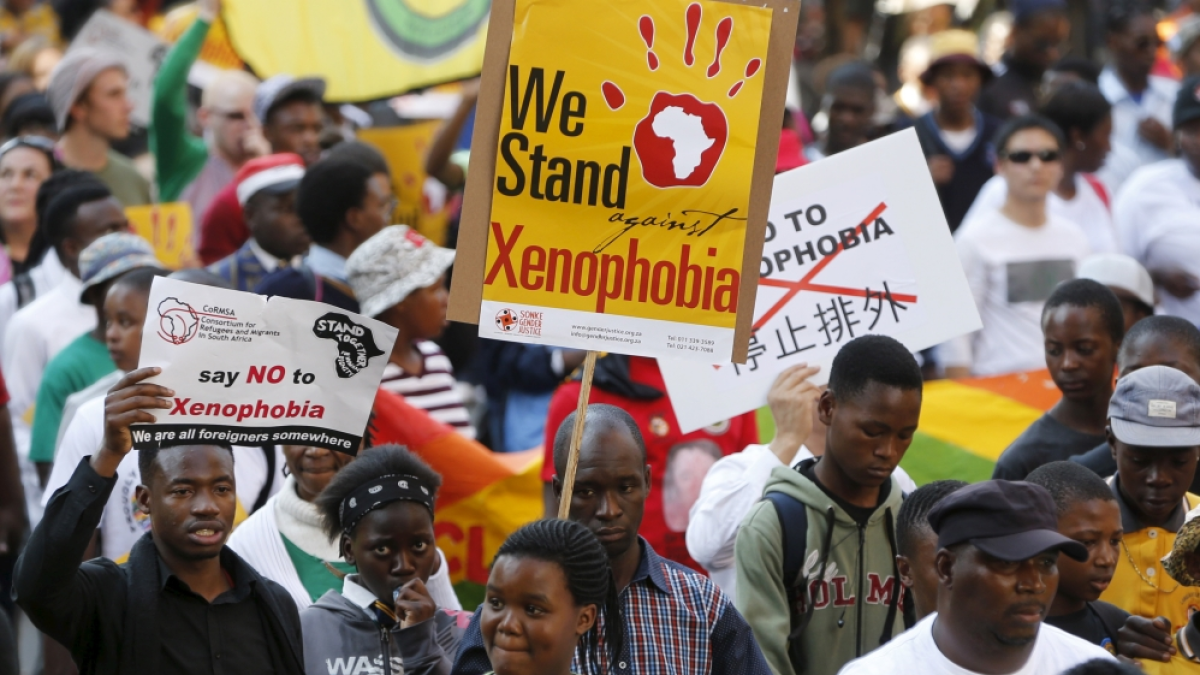
随着6月30日(反移民活动人士为无证移民设定的离开南非的最后期限)的临近,这位30岁的女子收拾好行李返回津巴布韦。
As June 30 approached, a deadline set by anti-immigrant activists for undocumented migrants to leave South Africa, the 30-year-old packed her belongings and returned to Zimbabwe.
“现在不再安全了。他们袭击了我们的家,警告我们离开。这很可怕,”钦布亚告诉半岛电视台。
“It was not safe any more. They were raiding our homes, warning us to leave. It was scary,” Chimbuya told Al Jazeera.
当反移民抗议加剧时,钦布亚住在夸祖鲁-纳塔尔省。3月和3月是6月30日最后期限背后的组织之一,他们指责无证移民抢走工作并对公共服务施加压力。
Chimbuya was living in KwaZulu-Natal when anti-immigrant protests intensified. March and March, one of the groups behind the June 30 deadline, accused undocumented migrants of taking jobs and putting pressure on public services.
这一最后期限不是南非政府强加的,南非政府表示6月30日将是正常的一天,并警告不要恐吓和暴力。但数千名移民因担心骚乱而离开。
The deadline was not imposed by the South African government, which said June 30 would be a normal day and warned against intimidation and violence. But thousands of migrants left amid fears of unrest.
一些政府为回国的公民组织交通。钦布亚支付了前往津巴布韦北部胡龙圭的费用。
Some governments organised transport for citizens returning home. Chimbuya paid for her own journey to Hurungwe, in northern Zimbabwe.
据新闻部长热穆·索达称,截至7月28日,已有116,670名津巴布韦人从南非返回。其中,36,940人得到政府援助,79,730人独立返回。苏打说,还有38,057人失业。
By July 28, 116,670 Zimbabweans had returned from South Africa, according to Information Minister Zhemu Soda. Of those, 36,940 were assisted by the government, while 79,730 returned independently. A further 38,057 haded for employment, Soda said.
津巴布韦的艰难时期对于钦布亚来说,回家意味着要面对许多最初迫使她离开的经济困难。
Hard times in Zimbabwe For Chimbuya, coming home meant confronting many of the economic difficulties that had pushed her to leave in the first place.
她一直很难找到工作,现在依靠家人和朋友的帮助。她的丈夫仍留在南非,她说他也在那里苦苦挣扎。她曾希望获得一笔创办小企业的资助,但表示尚未收到。
She has struggled to find work and now relies on family and friends for help. Her husband remains in South Africa, where she says he is also struggling. She had hoped to receive a grant to start a small business but said she had not received one.
津巴布韦基督教联盟执行主任乌塞尼·西班达牧师表示,许多回国者在国外呆了数年,回国后却没有工作或足够的支持。
Reverend Useni Sibanda, executive director of the Zimbabwe Christian Alliance, said many returnees had spent years abroad and were coming home without jobs or adequate support.
有人在离境期间并未在津巴布韦投资房产,他说,这让他们几乎没有退路。
Some had not invested in homes or property in Zimbabwe while they were away, he said, leaving them with little to fall back on.
“他们回到一个没有工作、社会支持系统可能也不足以容纳他们的国家,”西班达说。政府表示正在设法提供帮助。
“They are coming back to a country where there are no jobs and where the social support systems may not be enough to accommodate them,” Sibanda said. The government says it is trying to help.
地方政府部长丹尼尔·加韦说,当局正在对返乡人员进行筛选和画像,以确定他们的技能和需求。重新融入中心正在建立中,初等和中等教育部正考虑在返乡人员中招聘合格教师。
Local government Minister Daniel Garwe said authorities were screening and profiling returnees to identify their skills and needs. Reintegration centres were being established, while the Ministry of Primary and Secondary Schools was considering recruiting qualified teachers among those who had returned.
加韦还表示,正鼓励企业雇佣有技能的返乡人员,并正考虑提供职业培训和创业支持。
Garwe also said companies were being encouraged to employ skilled returnees and that vocational training and support for people wanting to start businesses were being considered.
然而,对一些人来说,他们在南非获得的技能提供了一条更直接的谋生之路。
For some, however, the skills they acquired in South Africa have offered a more immediate route to earning a living.
从零开始重建 来自哈拉雷东北部兹维巴的西德尼·布尼亚因经济困难于2020年3月离开津巴布韦。
Rebuilding from scratch Sidney Bunya, from Zvimba, northeast of Harare, left Zimbabwe in March 2020 because of economic hardship.
他先去了约翰内斯堡,做过各种工作,后定居伊丽莎白港。在那里,一位表亲将他介绍给专业木匠。布尼亚磨练技艺,最终接到大项目,专攻屋顶桁架制作。
He moved first to Johannesburg, where he took various jobs, before settling in Port Elizabeth. There, a cousin introduced him to professional carpenters. Bunya honed his skills and eventually secured large projects, specialising in roof trusses.
但2026年,要求持证的团体开始突袭他的工作场所。布尼亚只有护照,因骚扰,雇主不愿雇佣他。
But in 2026, groups demanding permits began raiding his workplace. Bunya had only his passport, and employers became reluctant to hire him because of the harassment.
他买了木工工具,运回津巴布韦,在6月30日截止日期前离开南非。
He bought carpentry tools, shipped them to Zimbabwe and left South Africa before the June 30 deadline.
利用积蓄,他在家乡创办企业。如今企业养家糊口,还雇佣了五名员工。“创业很难,但现在接单越来越多了,”布尼亚说。
Using his savings, he started a business at home. It now supports his family and employs five people. “It was difficult to set up the business. But I am getting more jobs now,” Bunya said.
莫齐说,教会也与本地企业合作,提供焊接、木工和计算机科学培训。
Motsi said churches had also partnered with local businesses to provide training in welding, carpentry and computer science.
呼吁提供长期支持 教会一直在为返乡者提供住所、食物和交通援助,但津巴布韦神学院院长雷·莫齐表示,需求令人难以承受。他批评政府对在国外生活多年后回国的人员支持力度不够。
Calls for longer-term support Churches have been helping returnees with shelter, food and transport, but Ray Motsi, president of the Theological College of Zimbabwe, said the needs were overwhelming. He criticised the government for not doing enough to support people returning after years abroad.
莫齐说:“我们需要一个深思熟虑的计划来重新融合这些人,”他认为返乡者需要的不仅仅是回家的交通工具。
“We need a deliberate programme to reintegrate these people,” Motsi said, arguing that returnees needed more than transport home.
哈拉雷人权活动家拉什韦特·穆昆杜表示,政府应提供长期援助,包括小额赠款、农业投入品和机械,帮助人们建立生计。
Rashweat Mukundu, a human rights activist in Harare, said the government should provide longer-term assistance, including small grants, agricultural inputs and machinery, to help people establish livelihoods.
他说,挑战不仅仅是让津巴布韦人跨过边境,而是帮助他们在抵达后保持经济安全。“我计划开一家杂货店,但资金是个挑战。”
The challenge, he said, was not simply getting Zimbabweans across the border but helping them remain economically secure once they arrived. “I plan to open a grocery store, but funding is a challenge.”