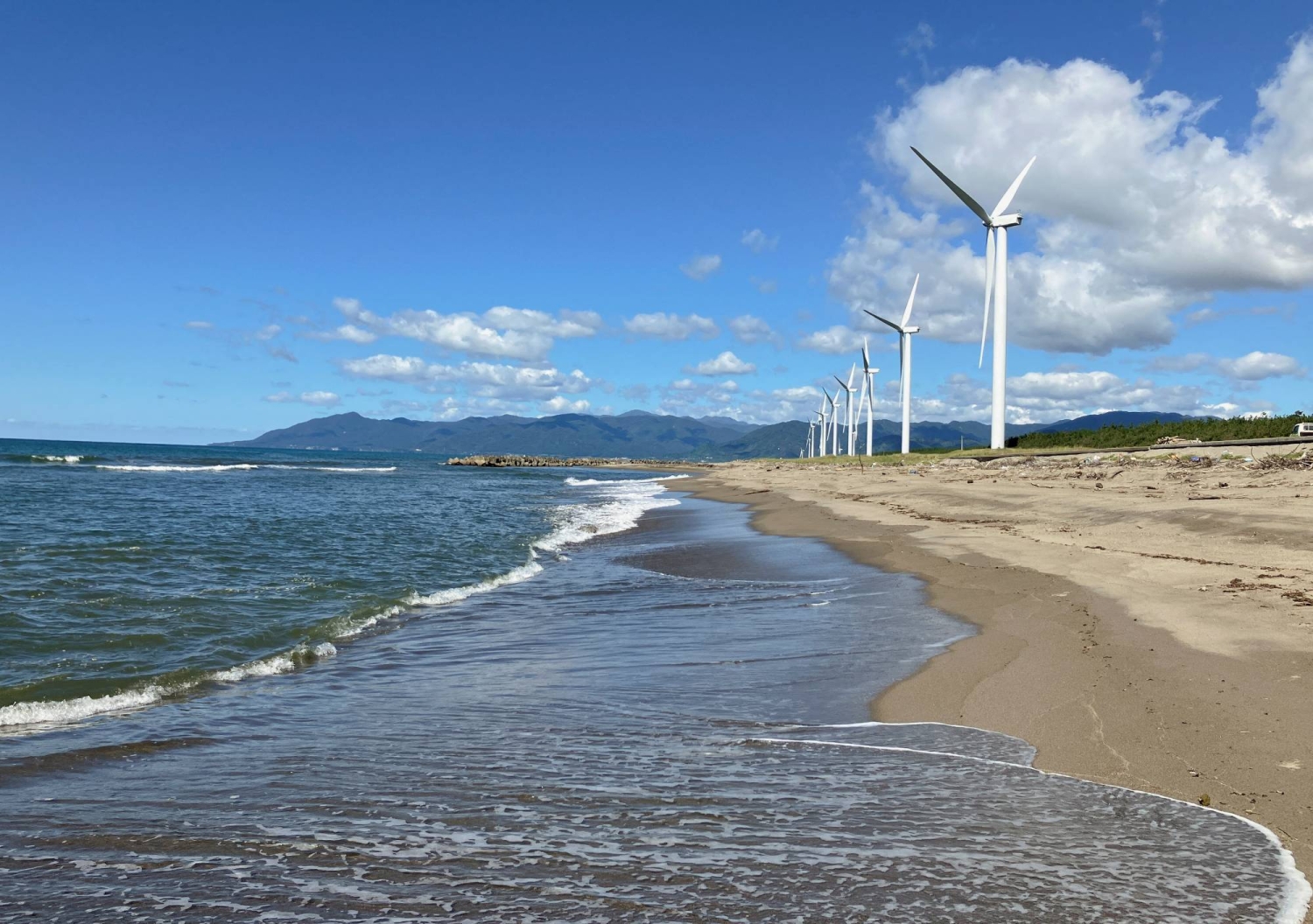
2021年,日本政府制定了雄心勃勃的海上风电计划:到2030年实现10吉瓦(GW)的发电量,到2040年达到30至45吉瓦。
In 2021, the Japanese government set out an ambitious plan for offshore wind: 10 gigawatts (GW) of power generation by 2030 and between 30 and 45 GW by 2040.
期望值很高。根据《自然》杂志发表的一项研究,资源匮乏的日本拥有足以满足国内能源需求八倍的潜在风电资源。
Hopes were high. According to one study published in Nature, resource-poor Japan has enough potential wind power to meet all domestic energy demand eight times over.
2021年全年,首批海上风电场地招标吸引了日本和外国开发商的浓厚兴趣,其中包括三菱商事和挪威的奥斯德(Orsted)。五年后,进展缓慢。
Throughout 2021, the first auctions for offshore wind sites saw significant interest from Japanese and foreign developers alike, including Mitsubishi Corp. and Norway’s Orsted. Five years later, progress has been slow.
据日本风力发电协会数据,目前仅有七个项目、总计253.4兆瓦(MW)投入运营。许多人归咎于供应链问题,包括原材料成本上升。另一些人则指责政府未能妥善激励开发商。这导致三菱商事于2025年中期因建设成本近乎翻倍而彻底退出该领域,放弃了三个项目,给日本的海上风电雄心造成重创。但海上风电失去动力不仅仅是融资问题。
Only seven projects, with a total of 253.4 megawatts (MW), are operational so far, according to data from the Japan Wind Power Association. Many blame supply chain issues, including higher costs for raw materials. Others point to failures by the government to properly incentivize developers. This is what led Mitsubishi to completely exit the field in mid-2025, abandoning three projects due to construction prices nearly doubling, in a massive blow to Japan’s offshore wind ambitions. But the loss of momentum for offshore wind is not just a matter of financing.
渔民、环保人士和当地社区的担忧也起到了作用,特别是在东北、北海道以及日本海沿岸——日本大部分海上风电资源所在的地区。这些群体已导致福井、滋贺和北海道的项目暂停或延迟,并对福冈和静冈县的其他项目提出担忧。有人看到了技术的潜在作用。
Concerns from fishers, environmentalists and local communities have also played a role, especially in Tohoku, Hokkaido and along the Sea of Japan coast, where most of Japan’s offshore wind resources lie. These groups have had projects suspended or delayed in Fukui, Shiga and Hokkaido prefectures and are raising concerns about other projects in Fukuoka and Shizuoka prefectures. Some see a potential role for technology.
在北海道,靠近鹰类栖息地的两个风电场已部署Nvbird鸟类探测监测系统,在防止濒危鸟类受害方面显现出潜力。另一套名为“AI Bird”的系统由日本气象协会开发,整合视频、红外数据和雷达传感器,绘制针对特定风机的鸟类分布图,并自动调整运行以减少冲突。
In Hokkaido, at two wind farms near eagle habitats, Nvbird bird detection and monitoring systems are already showing potential promise in preventing harm to endangered birds. Another system, AI Bird, developed by the Japan Weather Association, integrates video, infrared data and radar sensors to develop turbine-specific bird maps and automatically adjust operations to reduce conflicts.
随着日本着手重启海上风电计划,妥善解决环保人士提出的种种问题,对于顺利推进项目建设以实现气候与能源目标至关重要。
As Japan looks to revive its offshore wind plans, addressing issues raised by environmentalists will be key in ensuring the rapid build-out needed to meet climate and energy demand goals.
“海上风电是日本充分利用丰富海洋资源、加速可再生能源发展的绝佳契机,”非营利组织全球风能理事会的日本地区负责人松木武史说道。他补充道,这更是日本“展现创新能力、合作精神与领导力”的良机。对众多专家而言,日本唯有快速推进海上风电发展,才能同时实现《巴黎协定》承诺及2050年碳中和目标。此外,鉴于用于支撑人工智能技术发展的高能耗数据中心正迅速扩建,增加海上风电装机容量显得尤为迫切。
“Offshore wind power stands as one of the most promising opportunities to harness the country’s vast marine resources and accelerate the expansion of renewable energy,” said Takeshi Matsuki, Japan country manager at the nonprofit Global Wind Energy Council. It is, he added, an opportunity to “demonstrate innovation, collaboration and leadership.”Offshore wind and net zero For many experts, the only way Japan can meet both its Paris Agreement and 2050 net-zero plans is by rapidly expanding offshore wind. Moreover, extra capacity might be even more crucial due to the rapid build-out of energy-intensive data centers to power ever-more sophisticated artificial intelligence.
在东京,多家气候与能源领域的机构担忧:若海上风电发展滞后,日本可能被迫更多地依赖煤炭、天然气等化石燃料,甚至转向核电这类颇具争议的能源形式,进而带来更为严重的环境后果。
In Tokyo, climate and energy organizations fear that any delays in expanding wind could open the door to the expanded use of fossil fuels, such as coal and natural gas, or controversial sources such as nuclear power, with far more worrying environmental impacts.
“海上风电是实现碳中和目标、推动日本经济转型的关键所在,”总部位于东京的可再生能源研究所主任大林美香指出。该机构正积极倡导加快海上风电发展步伐。
“Offshore wind is a key to achieving carbon neutrality and driving a new economy in Japan,” said Mika Ohbayashi, the director of the Tokyo-based Renewable Energy Institute, which is pushing for a more rapid wind expansion. While countries such as Spain, the United Kingdom and Denmark have become offshore wind hotspots in recent years, Japan faces a unique hurdle.
近年来,西班牙、英国和丹麦等国已相继成为海上风电发展的热点地区,但日本却面临特殊挑战。由于污染、森林砍伐及工业化等因素,许多原本栖息于中国、朝鲜、俄罗斯等亚洲国家的物种纷纷迁徙至日本海岸线一带。因此,问题并不仅仅在于海上风电会对多少鸟类造成影响,更在于它会对那些仅在特定栖息地生存、数量日益稀少的濒危物种产生何种冲击。
The country’s coastline has become a refuge for species that have lost habitats in other Asian countries, including China, North Korea and Russia, due to pollution, deforestation and industrialization. The issue is not just about how many birds offshore wind can impact, but instead, it’s the impact on the dwindling numbers of several iconic, threatened and endangered species that live in specific habitats. “In Japan, suitable locations for constructing offshore wind farms often overlap with locations favored by birds,” said Tatsuya Ura, chief researcher with the Wild Bird Society of Japan.
“在日本,适合建设海上风电场的地点往往与鸟类偏好的栖息地重叠,”日本野鸟学会首席研究员浦达也表示。“我们担心大型海鸟,特别是珍稀物种,将受到显著影响。”日本强劲的风力资源主要分布在偏远的北部和西部沿海地区。这些地区分布着众多濒危和候鸟的栖息地,包括白尾海雕、红喉潜鸟、海雕、暗色贼鸥和鱼鹰。当地的爱鸟人士、环保主义者以及日本鸟类保护联盟和日本野鸟学会等团体担心,在急于开发风电的过程中,鸟类栖息地可能会被忽视。
“We are concerned that large seabirds, particularly rare species, will be significantly affected.”Japan’s strong wind currents are mostly along the remote northern and western coasts. And this landscape is dotted with numerous endangered and migratory bird habitats, including those for white-tailed eagles, red-throated loons, sea eagles, streaked shearwaters and ospreys. Local bird lovers, environmentalists and groups like Japan Bird Life and the Wild Bird Society of Japan are concerned that, in a rush to develop wind, bird habitats might be neglected. “When selecting sites for offshore wind power generation, it is essential to avoid significant impacts on the natural environment,” added Ura.
浦达也补充道:“在选定海上风力发电场址时,必须避免对自然环境造成重大影响。然而,日本关于海鸟和海洋哺乳动物的数据非常匮乏,这引发了关于能否适当进行选址的担忧。”浦达也和其他环保人士对最初海上风电开发的热潮感到担忧,他们表示在多个拟建海上风电项目的环境影响评估中发现了缺陷,例如忽视了巢址,或计划在繁殖区进行施工。此外,环保人士称,海上风电开发商的参与度一直很低。
“However, Japan has very little data on marine birds and mammals, raising concerns about how appropriately such site selection can be carried out.”The initial rush to develop offshore wind was concerning to Ura and other environmentalists, who say they found shortcomings in environmental impact assessments, such as ignored nesting sites or planned construction on breeding areas for several proposed offshore wind projects. Moreover, engagement from the developers of offshore wind has been lacking, environmentalists say.
浦达也说:“企业不与我们磋商或协商其计划,这意味着我们无法从早期阶段参与项目规划。”
“Companies do not consult with or negotiate with us about their plans, which means we cannot be involved in project planning from the early stages,” Ura said.
尽管对特定物种的影响存有担忧,但大家一致认为,气候变化本身比风力涡轮机对海洋野生动物构成更大的威胁。
Despite concerns about impacts on specific species, there is consensus that climate change itself is a bigger threat to marine wildlife than wind turbines.
非营利组织奥杜邦学会指出,除非我们应对气候变化,否则北美三分之二的鸟类物种将面临灭绝。日本野鸟学会表示赞同,称他们并不整体反对海上风电,但希望开发商更加重视鸟类保护。
The nonprofit Audubon Society notes that two-thirds of bird species in North America will face extinction unless we tackle climate change. The Wild Bird Society of Japan agrees, stating that they don’t oppose offshore wind as a whole but want to see bird protection taken more seriously by developers.
经济因素也是考量之一。如果风电场在缺乏对鸟类影响充分了解的情况下建设,并被发现威胁或伤害鸟类,可能会被迫关闭或减少运营,导致成本增加或潜在损失。
There are economic concerns at play, too. If a wind farm is built without proper understanding of its impacts on birds and is found to threaten or harm birds, it could be forced to shut down or reduce operations, resulting in higher costs or potential losses.
事实上,2023年滋贺县和福井县交界处的一座规划中风电场就发生了这种情况。据浦(Ura)称,一份有缺陷的环境影响评估——这是一个常见问题——忽略了附近森林栖息着两种濒危鸟类:金雕和熊鹰,据估计日本国内现存数量分别不足500只和1800只。该项目最终被迫暂停,给开发商造成了巨大损失。
In fact, that is just what happened to a planned wind farm along the Shiga and Fukui prefectural borders in 2023. A faulty environmental impact assessment — a common problem, according to Ura — ignored that a nearby forest was home to two endangered bird species, golden eagles and mountain hawk-eagles, of which less than 500 and 1,800, respectively, are estimated to still live in Japan. The project ended up being suspended, at a high cost to the developers.
日本最大的公用事业公司之一——欧拉斯能源(Eurus Energy)也通过邮件表示,由于发生多起鸟类撞击事件,他们不得不削减北海道滨里海上风电场的运营。在长达数月的迁徙季节里,该风电场每天只能运行几小时(夜间),限制了其清洁能源生产能力。
Eurus Energy, one of Japan’s largest utilities, also said by email that they’ve had to cut operations at the Hamasato Offshore Wind Farm in Hokkaido due to multiple bird strike incidents. For several months during migration season, the farm could only operate for a few hours at night, limiting its ability to produce clean energy.
技术解决方案 去年,北海道两座海上风电场已采用的一款工具是Nvbird,它利用人工智能和热成像技术来降低海上风电场对鸟类的撞击风险。
Tech solutions One tool already being used at two offshore wind farms in Hokkaido last year is Nvbird, which uses AI and thermal imaging to mitigate the risks of bird strikes from offshore wind farms.
希腊Nvisionist公司(Nvbird的开发商)业务发展经理Lampros Argyris表示,目前结果令人乐观。
So far, the results are hopeful, says Lampros Argyris, business development manager at the Greece-based Nvisionist, the company behind Nvbird.
“我们在日本的首批系统于2024年安装在北海道的陆上风电场,”Argyris表示。“它们运行可靠,能够探测处于风险中的鸟类,并触发相应的应对措施以监测和降低碰撞风险,同时将不必要的停机时间降至最低。” 这两个地点出现的鸟类包括白尾海雕、白尾海雕(注:原文Steller’s sea eagle为白肩海雕,white-tailed sea eagle为白尾海雕,此处按原文顺序翻译)、丹顶鹤和黑嘴鸥,这些物种均被国际自然保护联盟(IUCN)列为易危或近危物种。
“Our first systems in Japan were installed onshore in Hokkaido in 2024,” said Argyris. “They have operated reliably, detecting at‑risk birds and triggering proportionate responses to monitor and reduce collision risk while minimizing unnecessary downtime.”Birds present at those two sites include Steller’s sea eagles, white-tailed sea eagles, red-crowned cranes and Saunders’ gulls, all of which are considered vulnerable or near threatened by the International Union for Conservation of Nature (IUCN).
Nvbird采用尖端传感器,具有适应性强、可从每个特定设备收集数据的特点。随后,Nvbird通过自主的本地处理AI对数据进行分析。这使其能够持续监测和探测鸟类,并在鸟类出现时减缓或关闭机组运行。Argyris表示,这并非一个简单的过程。
Nvbird uses cutting-edge sensors, which are adaptable and can gather data from each specific device. Nvbird then analyzes the data via an autonomous local processing AI. This allows it to constantly monitor and detect birds and slow or shut down operations when birds are present. It’s not a simple process, says Argyris.
“北海道鸟类探测系统面临的具体挑战包括极其恶劣的天气条件、大雪、雾气、低温、通信问题,以及冬季难以进入现场进行维护,”Argyris说。为应对这些挑战,公司正在扩充本地产能,增强技术的抗天气能力,并计划利用日本本地数据集训练其系统。
“Specific challenges for a bird detection system in Hokkaido are the very harsh weather conditions, heavy snowfall, fog, low temperatures, communication issues and difficulty in accessing sites in winter for maintenance,” said Argyris. To address that, the company is expanding local capacity, making the technology more weather-resilient and looking to train their systems on Japanese datasets.
据Argyris介绍,Nvbird“运行可靠,能够探测处于风险中的鸟类,并触发相应的应对措施以监测和降低碰撞风险,同时将不必要的停机时间降至最低。”Ura也看到了将卫星监测与更广泛的鸟类监测相结合的潜力,以便将风机布设在远离迁徙路线或筑巢区的地方。
According to Argyris, Nvbird has “operated reliably, detecting at‑risk birds and triggering proportionate responses to monitor and reduce collision risk while minimizing unnecessary downtime.”Ura also sees potential for integration of satellite and broader bird monitoring to place turbines away from migration or nesting areas.
“该系统……在监测鸟类碰撞发生情况方面,在一定程度上可能会有用,”Ura表示,特别是“如果它与风机的紧急停机系统联动的话。” 社会接受度 日本气象协会(JWA)开发的“AI Bird”工具的开发者们认为,他们的工具在提高风电的社会接受度方面能发挥作用。
“This system … could be useful to some extent in monitoring the occurrence of bird collisions,” said Ura, especially “if it is linked to an emergency shutdown system for the turbines.”Social acceptance The developers of AI Bird, the tool created by the Japan Weather Association (JWA), see their tool playing a role in increasing social acceptance of wind power.
“风电的可持续发展必须考虑其环境足迹,减少对鸟类的伤害至关重要,”JWA工程师Bich Ngoc Ho表示。“保护这些物种符合国际保护承诺,并有助于维持公众对可再生能源的支持。”AI Bird是JWA、学术界和Leadedge Technology公司合作的成果,利用高分辨率视频和AI检测来识别特定种类的飞行鸟类,包括白尾海雕和白肩海雕。据JWA称,在试验中,他们实现了94%的识别成功率。然而,该系统尚未在商业风电场部署。
“The sustainable development of wind power must account for its environmental footprint, and mitigating harm to birds is crucial,” said Bich Ngoc Ho, an engineer with JWA. “Protecting these species aligns with international conservation commitments and helps maintain public support for renewable energy.”AI Bird is a collaboration between JWA, academia and the Leadedge Technology corporation and uses high-resolution video and AI detection to identify certain species of flying birds, including white-tailed eagles and Steller’s sea eagles. According to JWA, they’ve achieved a 94% success rate in identification in trials. The system, however, has yet to be deployed at a commercial farm.
“基础研发已完成,”Ho说。“通过提供鸟类活动的持续自动化监测,AI Bird可帮助运营商做出明智决策,例如在迁徙高峰期或高风险事件期间调整风机运行。”Nvbird和AI Bird均可添加到现有海上风电场或规划中的风电场,使其成为一种增量式解决方案。但Ura认为这种方法存在问题——它依赖数据,而迄今为止,日本关于鸟类迁徙路线、筑巢地点和潜在冲突的数据尚显不足。对于Ura所在的环保团体而言,仅在敏感区域的项目中添加AI Bird和Nvbird等工具是远远不够的。
“The basic research and development has been completed,” said Ho. “By providing continuous, automated monitoring of bird activity, AI Bird can help operators make informed decisions, such as adjusting turbine operations during peak migration periods or high-risk events.”Both Nvbird and AI Bird can be added to existing offshore wind farms or ones being planned, making it an additive solution. But Ura sees a problem with this approach — it relies on data, and thus far, Japan’s data on bird migration routes, nesting sites and potential conflicts is lacking. For environmental groups such as Ura’s, merely adding tools like AI Bird and Nvbird to a project located in a sensitive area is not enough.
“以目前的选址方式,极有可能出现越来越多的地点,使得风电项目与鸟类及海洋生物保护无法兼容,”Ura表示。“反之,若选址过程涉及海洋空间规划和战略环境影响评价,则有可能选出兼容性更好的地点。”事实上,Ura的组织已制作了一份关于海上风电与鸟类的敏感度图,希望能以此为基础,推动海上风电规划的优化。
“With the current method of site selection, it is highly likely that more and more locations will emerge where wind power generation projects and the protection of birds and marine life cannot be compatible,” said Ura. “On the other hand, if site selection involves marine spatial planning and strategic environmental impact assessment, it will be possible to select sites that are compatible.”In fact, Ura’s organization has created a sensitivity map regarding offshore wind power and birds, which they hope can be the basis for better planning around offshore wind.
现在是进行妥善规划和数据收集的时候了,因为日本的海上风电仍处于起步阶段,目前仅有七座海上风电场投入运营,总装机容量为253兆瓦(MW),其中包括两座使用Nvbird系统的风电场。这些工具能够降低对日本一些最珍贵、最具标志性鸟类物种的威胁,从而为举步维艰的行业赢得更多支持。
The time for proper planning and data gathering is now, because offshore wind in Japan is still in its infancy, with just seven offshore wind farms online producing 253 megawatts (MW) of power, including the two using Nvbird. These tools could limit the threats posed to some of Japan’s most precious and iconic bird species, raising support for the struggling industry.
“AI Bird是平衡清洁能源目标与环境保护的积极举措,”何先生表示。“虽然没有完美的解决方案,但像AI Bird这样的技术是迈向负责任的风能开发的关键一步。”
“AI Bird is a proactive step to balance clean energy goals with environmental conservation,” said Ho. “While no solution is perfect, technologies like AI Bird are a crucial step toward responsible wind energy development.”