本周早些时候,在一场为期两天的香港贸易展上,俄罗斯糖果生产商别廖夫果糕厂(Belyov Pastila Manufacture)的代表维拉·尼基蒂娜(Vera Nikitina)正在寻找新的买家,同时努力向对方保证,该公司的产品确系俄罗斯制造。
At a two-day trade exhibition in Hong Kong earlier this week, Vera Nikitina, a representative of Russian confectionery producer Belyov Pastila Manufacture, was looking for new buyers – while also trying to reassure them that the company’s products were genuinely made in Russia.
该公司于2019年首次尝试进入中国市场,并在2022年至2023年间开始定期发货并设立当地办事处。随着中国消费者对俄罗斯商品的需求激增,其销售额在2024年实现增长。
The company made its first attempt to enter China in 2019, before beginning regular shipments and establishing a local office in 2022-23. Its sales grew in 2024 amid booming Chinese demand for Russian consumer goods.
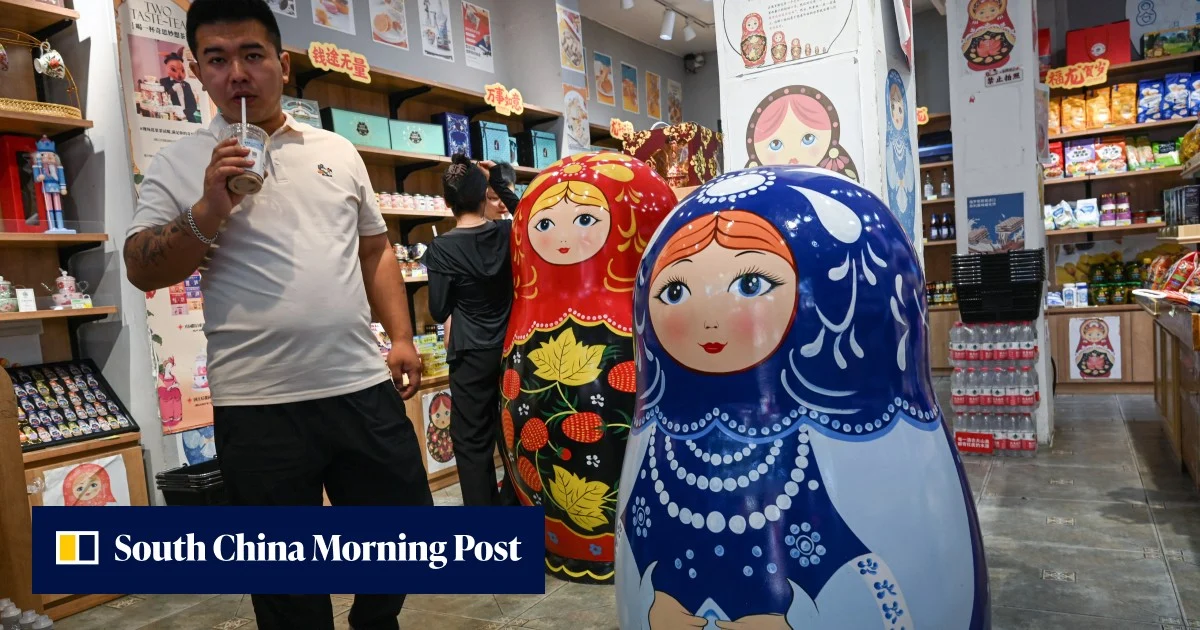
那一年,俄罗斯消费品在中国掀起了一股零售热潮。蓝白配色的所谓“俄罗斯商品馆”在全国各地的商业街和购物中心纷纷涌现,馆内摆满了巧克力、香肠、面包和伏特加酒瓶,通常还播放俄罗斯音乐并悬挂西里尔字母招牌,以吸引顾客。
That year, Russian consumer goods became somewhat of a retail craze in China, as blue and white so-called Russian goods halls packed with chocolates, sausages, bread and bottles of vodka began popping up in shopping streets and malls across the country, often playing Russian music and displaying Cyrillic signs to draw in shoppers.
然而,这股热潮并未持续太久。尼基蒂娜表示,在次年,由于中国媒体曝光了本地生产的产品被冒充为俄罗斯进口商品的现象,该公司的销售额开始下滑。
The boom, however, did not last long. The company’s sales began to deteriorate the following year after Chinese media exposed how locally made products were being marketed as Russian imports, Nikitina said.
“随着俄罗斯消费品日益受欢迎,许多本地生产的产品开始以俄罗斯进口商品的名义出现在市场上,”她说。
“After Russian consumer goods became increasingly popular, many locally made products began appearing on the market under the guise of Russian imports,” she said.
“这让中国消费者对俄罗斯产品整体产生了更多怀疑,最终损害了我们的业务。”
“This made Chinese consumers more sceptical of Russian products in general and ultimately hurt our business.” re not the ones selling fake Russian products.
该公司随后在中国社交媒体平台上开设账号,试图重新推广其品牌并证明产品的原产地。
But we are the ones paying the priceVera Nikitina, Belyov Pastila Manufacture The company has since opened accounts on Chinese social media platforms in an effort to reintroduce its brand and demonstrate the origin of its products.
“我们并不是销售假冒俄罗斯产品的人,”尼基蒂娜说,“但却是我们在为此付出代价。”
“We were not the ones selling fake Russian products,” Nikitina said. “But we are the ones paying the price.”
俄罗斯商品的大量涌入,是贸易格局更广泛调整的结果。2022年莫斯科入侵乌克兰后,西方实施制裁,众多国际品牌撤出俄罗斯市场。
The influx of Russian goods followed a broader realignment in trade, after Moscow’s invasion of Ukraine in 2022 prompted Western sanctions and the departure of many international brands from Russia.
此后,中俄双边贸易持续增长。中国汽车及其他产品填补了俄罗斯市场的空白,而俄罗斯的食品与消费品也在中国逐渐受到青睐。
Trade between China and Russia subsequently expanded in both directions, with Chinese cars and other products filling gaps in the Russian market, and Russian food and consumer goods gained visibility in China.
2024年,两国贸易额创下2448亿美元的历史新高。同年下半年,抖音直播及其他线上平台开始推广各类俄罗斯商品,包括糖果、香肠、蜂蜜和酒类。
Bilateral trade reached a record US$244.8 billion in 2024. By the second half of that year, Douyin live streams and other online channels were promoting Russian products ranging from confectionery, sausages, honey and alcohol.
据企业信息数据库“企查查”显示,截至2024年底,与俄罗斯商品相关的企业注册数量增长了20%以上,总数达到841家。
Registrations of businesses associated with Russian goods rose by more than 20 per cent to 841 by the end of 2024, according to corporate database Qichacha.
到2025年初,全国范围内此类企业数量已逾3500家,不过这一数字包含了相关企业而非仅指实体店铺。
By early 2025, more than 3,500 such businesses wereed nationwide, although the figure covered related companies rather than shops alone.
然而这股热潮很快引发了监管关注。自2024年末起,媒体调查与监管部门检查发现,部分店铺借助俄罗斯元素来销售中国或第三国制造的商品,此举引发了消费者的强烈不满,也损害了真正进口商品的信誉。
The boom soon attracted scrutiny. Media investigations and regulatory inspections beginning in late 2024 found that some stores were using Russian imagery to sell goods made in China or third countries, triggering a consumer backlash that also damaged confidence in genuine imports.
此类店铺在中国各大城市兴起不到一年,便有不少相继关门。据四川在线去年报道,截至7月,杭州已有多家店铺关闭,其余店铺也在进行清仓促销。
Less than a year after such stores began spreading across Chinese cities, many were shutting their doors. Multiple outlets in Hangzhou had closed and others were holding clearance sales by July, according to a report by Sichuan Online last year.
俄罗斯出口中心驻中国首席代表叶夫根尼·巴佐夫承认,那些品牌标识模糊的俄罗斯商品店铺迅速扩张,不仅令消费者产生困惑,也对正规出口商造成了负面影响。
Evgeny Bazhov, the Russian Export Centre’s chief representative in China, acknowledged that the rapid expansion of loosely branded Russian goods stores had confused consumers and harmed legitimate exporters.
“俄罗斯元素有时仅被用作营销概念,而部分商品的实际产地却并不明确,”巴佐夫指出,“这必然会让消费者产生混淆,甚至波及到真正的俄罗斯生产商。”他表示,该中心正与经过认证的出口商及进口商合作,强化官方认证的“俄罗斯制造”销售渠道,并开发能让消费者查询商品产地的平台。
“The Russian image was sometimes used as a marketing concept, while the actual origin of individual products was not always clear,” Bazhov said. “This inevitably creates confusion for consumers and can affect genuine Russian producers as well.”The centre was responding by working with verified exporters and importers, strengthening official Made in Russia sales channels and developing platforms through which consumers could check the origin of products, he said.
巴佐夫补充道,要重新赢得消费者的信任,关键在于确保原料来源透明且产品配送可靠,而不仅仅依靠营销手段。
But rebuilding trust would depend on transparent sourcing and reliable distribution rather than marketing alone, Bazhov added.
“仅仅打上‘俄罗斯制造’的标签已远远不够,”他说道,“‘俄罗斯制造’应当成为品质与可追溯性的象征,而不只是国家形象的代名词。” 这种认知混乱并不仅限于产品产地的问题。俄罗斯伏特加品牌“克里姆林宫传奇”的代表基罗透露,在中国的贸易展会上,许多采购商常询问:俄罗斯人平时真的会饮用酒精度高达60%、70%甚至超过80%的伏特加吗?这一数值远远超出了俄罗斯伏特加通常40%的酒精度标准。
“Simply being ‘Russian’ is no longer enough,” he said. “Made in Russia should become a quality and traceability proposition, not just a national image.”The confusion extended beyond questions about where products were made. Kiro, a representative of the Russian vodka brand Legend of Kremlin, said buyers at Chinese trade fairs frequently asked whether Russians normally drank vodka containing 60, 70 or even more than 80 per cent alcohol – far above the traditional 40 per cent strength of Russian vodka.
“每当遇到这种情况,我都不得不解释:酒精度如此之高的所谓‘俄罗斯烈酒’,几乎可以肯定是中国本土生产的酒类,只是被包装成进口俄罗斯伏特加罢了,”他说道。
“When I hear this, I have to explain that a so-called Russian spirit with such a high alcohol content is almost certainly a locally produced Chinese drink being presented as imported Russian vodka,” he said.
基罗指出,这类产品不仅误导了中国买家对俄罗斯烈酒的认知,还损害了真正俄罗斯进口商品的信誉。
Such products had not only distorted buyers’ understanding of Russian spirits, Kiro said, but also undermined trust in genuine imports.
“这对正宗的俄罗斯产品而言无疑是一次严重的声誉打击。正因如此,像俄罗斯出口中心这样的机构正积极采取措施,遏制假冒俄罗斯商品流入中国市场。”
“It is indeed a significant reputational blow for authentic Russian products, which is why organisations like the Russian Export Centre are actively taking measures to combat the appearance of counterfeit Russian goods on Chinese store shelves.”