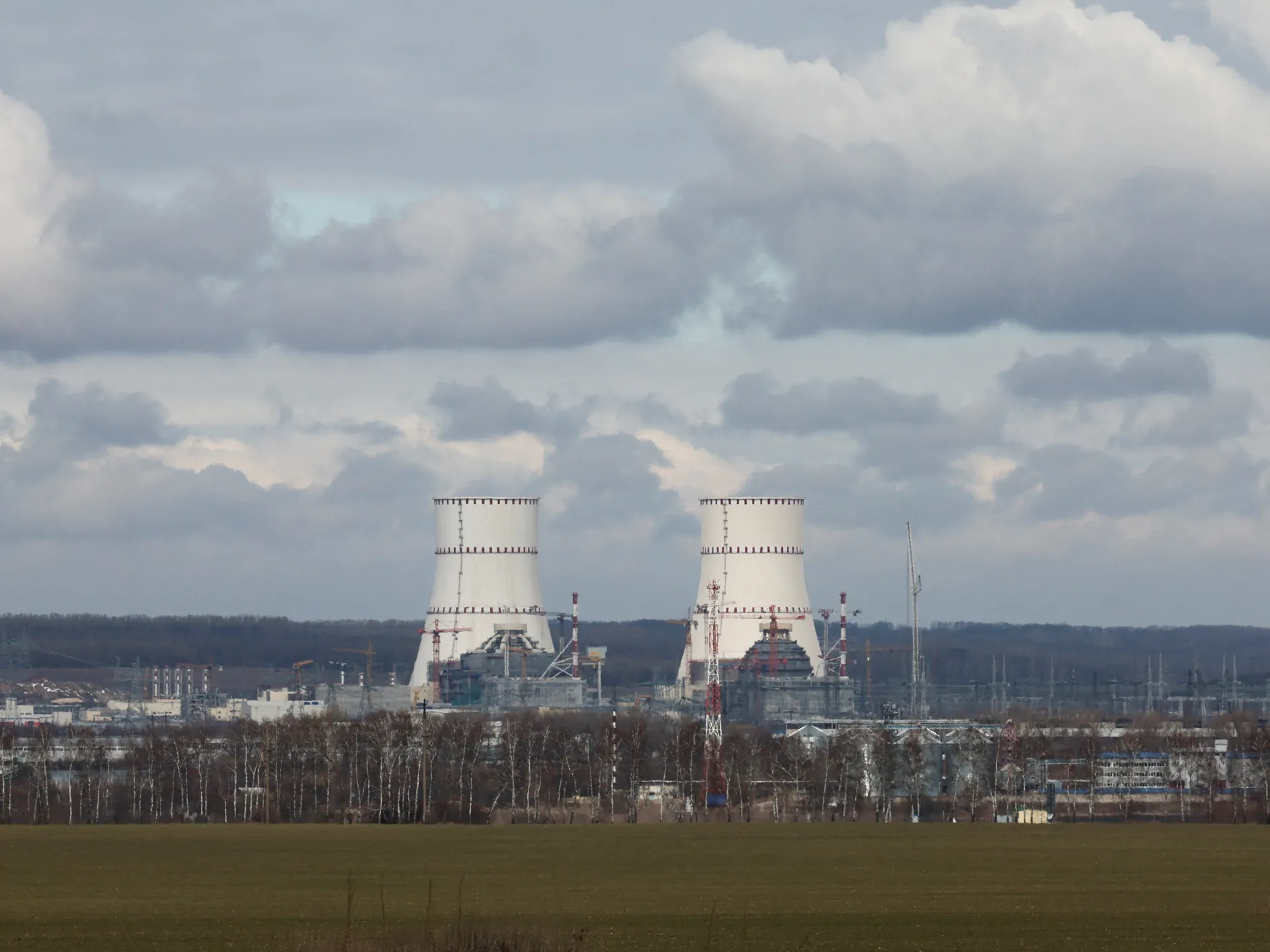
世界常讨论俄罗斯构成的核威胁,但鲜少关注俄罗斯境内的核风险,尤其是老旧核电站带来的风险,其中一些反应堆已运行超过50年。
The world often discusses the nuclear threat posed by Russia, but far less attention is paid to the nuclear risks within Russia itself, particularly those posed by ageing nuclear power plants, some of whose reactors are already more than 50 years old.
与此同时,俄罗斯正在全球范围内建设核电站,从土耳其到孟加拉国,并将核能宣传为化石燃料的“可持续”替代品。俄罗斯总统普京定期会见外国领导人,讨论现有和潜在的核项目。然而,一个问题在很大程度上被忽视了:当这些核设施达到运行寿命终点时会发生什么?
At the same time, Russia is building nuclear power plants around the world, from Turkiye to Bangladesh, while promoting nuclear energy as a “sustainable” alternative to fossil fuels. Russian President Vladimir Putin regularly meets with foreign leaders to discuss existing and potential nuclear projects. Yet one question remains largely overlooked: what happens to these nuclear facilities when they reach the end of their operational lives?
苏联时期,核电站遍布苏联各地,包括立陶宛。作为立陶宛加入欧盟的条件之一,该国被要求关闭伊格纳利纳核电站的两座苏联建造的反应堆。第一座反应堆于2004年关闭,第二座于2009年关闭。退役过程被证明既极其昂贵又耗时漫长。到2020年,估算成本已达33亿欧元(约合37亿美元),但计划工作仅完成了49%。该进程原定于2038年完成,现在预计将持续到2049年。
During the Soviet period, nuclear power plants were built across the USSR, including in Lithuania. As part of Lithuania’s accession to the European Union, the country was required to shut down the two Soviet-built reactors at the Ignalina Nuclear Power Plant. The first reactor was closed in 2004 and the second in 2009. The decommissioning process has proved both extraordinarily expensive and time-consuming. By 2020, the estimated cost had reached 3.3 billion euros ($3.7bn), with only 49 percent of the planned work completed. The process, initially scheduled for completion in 2038, is now expected to continue until 2049.
俄罗斯本身似乎并未重视这一问题。俄罗斯国家核能电力公司计划退役35座反应堆。然而,该公司自身的估算显示资金缺口约为187亿欧元,而退役总估算成本约为210亿欧元。而且这些还是该公司自己的估算。实际退役成本通常远高于最初预测。例如,德国吕布明前核电站的退役成本最初估算为10亿欧元,现在估算已达100亿欧元。
Russia itself does not seem to be paying much attention to this question. Rosenergoatom plans to decommission 35 reactors. Yet the company’s own estimates point to a funding shortfall of approximately 18.7 billion euros, while the total estimated cost of decommissioning is about 21 billion euros. And these are Rosenergoatom’s own estimates. Actual decommissioning costs are usually significantly higher than initially projected. For example, the cost of decommissioning the former nuclear power plant in Lubmin, Germany, was initially estimated at 1 billion euros but is now estimated at 10 billion euros.
然而,目前俄罗斯似乎正在推迟退役过程中成本最高的阶段。它往往不在反应堆关闭后很快将其彻底拆除,而是将其置于长期“安全”储存状态,将大部分财务和技术负担转嫁给未来。推迟拆除并不能解决问题,只是将退役的高昂阶段后移,考虑到俄罗斯现有的资金缺口,这令人尤为担忧。
For the time being, however, Russia appears to be postponing the most costly stages of decommissioning. Rather than fully dismantling reactors soon after shutdown, it often places them in long-term “safe” storage, transferring much of the financial and technical burden into the future. Deferred dismantling does not solve the problem, but merely postpones the costly stages of decommissioning, which is particularly concerning given Russia’s existing funding gap.
环保非政府组织贝洛纳基金会根据俄罗斯国家原子能集团公司(Rosatom)自身的预测报告称,到2037年前后,俄罗斯国家原子能集团公司的退役和修复义务可能超过其净利润。此外,退役拖延的时间越长,相关的财务、技术和安全风险可能就越大。
Environmental NGO Bellona Foundation reports, based on Rosatom’s own projections, that by around 2037, Rosatom’s decommissioning and remediation obligations could exceed its net profit. Moreover, the longer decommissioning is delayed, the greater the associated financial, technical and safety risks are likely to become.
另一个主要问题是放射性废物的历史遗留。俄罗斯从苏联继承了约77.4万立方米的放射性废物。即将到来的八座核电站36个反应堆机组的退役,预计将额外产生80万立方米的放射性废物。
Another major issue is the legacy of radioactive waste. Russia has inherited approximately 774,000 cubic metres of radioactive waste from the Soviet Union. The upcoming decommissioning of 36 reactor units at eight nuclear power plants is expected to generate an additional 800,000 cubic metres of radioactive waste.
俄罗斯已经有过工业留下重大环境债务后果的经验。在生产俄罗斯约一半煤炭的克麦罗沃州,煤矿开采留下的废渣山伤害了自然景观。其中一些废渣在燃烧,污染周边社区。当煤炭公司破产时,处理其遗留废渣的成本可能落到国家和当地社区头上。
Russia already has experience of what happens when industries leave major environmental liabilities behind. In the Kemerovo region, where around half of Russia’s coal is produced, mountains of waste from coal mining scar the landscape. Some of this waste burns, polluting nearby communities. When coal companies go bankrupt, the cost of dealing with what they leave behind can fall to the state and local communities.
但如果资金枯竭,核废料和退役反应堆不能简单地被弃置不管。随着俄罗斯经济形势恶化,这个问题变得更加重要:如果维护、退役并最终拆除这些大型项目所需的资金不再可用,这些项目将何去何从?
But nuclear waste and decommissioned reactors cannot simply be abandoned if the money runs out. The question therefore becomes even more important as Russia’s economic situation deteriorates: what will happen to all these megaprojects if the money needed to maintain, decommission and eventually dismantle them is no longer available?
因此,俄罗斯正在建设众多核电站的国家应当考虑,如果这些项目无法按计划维护或日后退役,会发生什么情况。它们需要一个“B计划”,以防俄罗斯出现问题。而且,正如历史反复表明的那样,俄罗斯的政治局势可能会不可预测地发生变化。
The countries where Russia is building its numerous nuclear power plants should therefore think about what happens if these projects cannot be maintained or later decommissioned as planned. They need a Plan B in case something goes wrong in Russia. And, as history has repeatedly shown, Russia’s political situation can change unpredictably.
核管理不善的政治后果也可能非常严重。切尔诺贝利灾难表明,苏联当局试图压制信息、淡化事故规模,如何助长了公众的不信任和幻灭感,导致苏联晚期社会和政治动荡加剧。如今,俄罗斯持续忽视核废料处理、反复推迟核电站退役,同样可能制造另一场环境灾难和日益加剧的社会动荡的条件,特别是如果当局再次以沉默或试图掩盖规模来应对此类危机。
The political consequences of nuclear mismanagement can also be significant. The Chornobyl disaster demonstrated how the Soviet authorities’ attempts to suppress information and downplay the scale of the accident fuelled public distrust and disillusionment, contributing to growing social and political unrest in the late Soviet period. Today, Russia’s continued neglect of nuclear waste and repeated postponement of nuclear plant decommissioning could similarly create conditions for both another environmental catastrophe and growing social unrest, particularly if authorities once again respond to such a crisis with silence or attempts to conceal its scale.
俄罗斯经济形势恶化使这些风险雪上加霜。为维持战时经济,俄罗斯政府还大幅削弱了环境法规。国防开支如今已是俄罗斯联邦预算中最大的单一支出项目,而环境保护仅占政府支出的一小部分。
These risks are compounded by Russia’s deteriorating economic situation. In an effort to sustain the war economy, the Russian government has also drastically weakened environmental regulations. National defence is now by far the largest single item in Russia’s federal budget, while environmental protection accounts for only a small fraction of government spending.
一系列环境灾难充分表明,俄罗斯政权并不愿将长期的环境安全置于优先地位。目前俄罗斯仍在使用一批老旧的油轮来运输石油,而2024年发生的黑海石油泄漏事件便凸显了这些油轮所带来的环境风险:两艘年久失修的俄罗斯油轮向海中泄漏了数千吨燃料油,此次事件被视作数十年来黑海地区最严重的环境灾难。这种长期忽视环境问题的做法也引发了人们的担忧:俄罗斯究竟要如何妥善管理其日益老化的核基础设施以及日益严重的核废料问题?
Environmental disasters have repeatedly demonstrated that the Russian regime is unwilling to prioritise long-term environmental safety. Russia continues to operate an ageing shadow fleet to transport oil, and the environmental risks associated with that fleet were highlighted by the 2024 Black Sea oil spill, when two ageing Russian tankers released thousands of tonnes of fuel oil into the sea. The spill was described as the Black Sea region’s worst environmental disaster in decades. This broader pattern of environmental negligence raises questions about how the country will manage its ageing nuclear infrastructure and the growing problem of nuclear waste.
因此,在俄罗斯试图推广本国核工业的各类国际论坛上,都应提出上述问题。例如在联合国气候变化大会等场合,经常能见到俄罗斯的核工业游说团体。俄罗斯一方面试图在未来的能源格局中占据一席之地,另一方面仍将能源作为在世界范围内施加政治影响力与权力的工具。
These issues should therefore be raised at every international forum where Russia promotes its nuclear industry, such as COPs, where encountering Russian nuclear lobbyists is a common experience. Russia is seeking to secure its place in the future of energy while continuing to use energy as a tool for exerting political influence and power around the world.
上述问题尤为令人担忧,因为俄罗斯仍在国际上大力推广其核工业,而国内那些能够监督其环境影响及安全状况的独立声音却正遭到日益严厉的压制。正如环境危机组织近期发布的报告所述,由于环境领域的专家与活动人士遭到打压或被迫离开俄罗斯,该国的环保运动已遭到严重削弱。
All of these issues are particularly concerning because Russia continues to promote its nuclear industry internationally, while independent voices capable of scrutinising its environmental impacts and safety record are increasingly silenced in Russia. As documented in a recent report by the Environmental Crisis Group, repression and the departure of environmental experts and activists have severely weakened Russia’s environmental movement.
“贝洛纳”与“绿色和平”已被俄罗斯认定为“不受欢迎”的组织;而曾发起多项环境与核问题倡导活动的“生态防御”组织则被列为“外国代理人”,其成员还遭到了刑事起诉。
Bellona and Greenpeace have been declared “undesirable” organisations in Russia, while EcoDefence, which organised campaigns around environmental and nuclear issues, has been designated a “foreign agent”, and its members have faced criminal prosecution.
俄罗斯境外的环保组织持续呼吁关注这些风险。流亡的“生态防御”组织与其他德国活动人士一道,反对欧洲继续与俄罗斯核工业开展合作。该行业在很大程度上规避了针对俄罗斯能源部门其他领域实施的制裁。据“生态防御”组织联合主席弗拉基米尔·斯利维亚克表示,对俄罗斯核技术和服务的持续依赖本身就可能制造出脆弱性,俄罗斯或许会利用这些脆弱性进行破坏活动或施加政治压力。
Environmental organisations outside Russia continue to draw attention to these risks. EcoDefence in exile, alongside other German activists, campaigns against continued European cooperation with the Russian nuclear industry, which has largely escaped the sanctions imposed on other parts of Russia’s energy sector. According to Vladimir Slivyak, co-chair of EcoDefence, this continued dependence on Russian nuclear technology and services could itself create vulnerabilities that Russia could potentially exploit for sabotage or political pressure.
其结果是,独立监测和揭露俄罗斯境内环境风险的能力正在不断萎缩。这造成了一个危险的信息鸿沟:核事故可能会发生,其规模可能被当局隐瞒或淡化,而公众可能要在数年甚至数十年后,才能了解这场灾难的全部严重程度。1957年马亚克核事故便是如此,当时苏联当局隐瞒了事故及其后果,直到1989年,即三十多年后,才公开承认这场灾难,而在此期间,数千人不得不承受放射性污染带来的长期后果。
The result is a shrinking capacity to independently monitor and expose environmental risks inside Russia. This creates a dangerous information gap: a nuclear accident could happen, its scale could be concealed or downplayed by the authorities, and the public could learn the full extent of the disaster only years or even decades later. This is what happened after the 1957 Mayak disaster, when the Soviet authorities concealed the accident and its consequences and did not publicly acknowledge the disaster until 1989, more than three decades later, while thousands of people were left to suffer the long-term consequences of radioactive contamination.
这种缺乏透明度的状况,使得俄罗斯核工业成为一个国际关切问题,而不仅仅是一个能源问题。其老化的基础设施、薄弱的环境监管以及日益增长的保密倾向,所制造的风险可能远远超出俄罗斯的国界。
This lack of transparency makes Russia’s nuclear industry an international concern, not merely an energy issue. Its ageing infrastructure, weak environmental oversight and growing reliance on secrecy create risks that can extend well beyond Russia’s borders.