马拉开波湖如今已成为委内瑞拉石油产业每况愈下的象征。42岁的杰西卡·帕蒂达需要做一次价值30美元的肾脏超声检查,但她无力承担这笔费用。
Lake Maracaibo has become a symbol of the deteriorated state of the Venezuela's oil industry Jessica Partida, 42, needs a $30 US ultrasound for her kidneys, which she can’t afford.
她的丈夫恩里克·奥利瓦雷斯在马拉开波湖中捕鱼,然而连日来湖面上的浮油让他无法捕到用作鱼饵的虾。没有鱼饵便无法捕鱼,而捕不到鱼也就赚不到钱。
Her husband, Enrique Olivares, fishes on Lake Maracaibo, and for days the oil in the water has prevented him from catching the shrimp he uses as bait. Without bait, he cannot fish, and when he doesn’t fish, he doesn’t make money.
“因为湖面浮油导致我丈夫无法捕鱼,所以我只好离开了医院,”她说道。
“I left the hospital because my husband hasn’t been able to fish because of the oil,” she said.
帕蒂达一家六口住在卡比马斯的一栋砖房里。卡比马斯位于加拉加斯以西约500公里处,地处委内瑞拉最大的产油区之一的湖畔。一个多世纪前,荷兰皇家壳牌公司的子公司便在此地首次发现了石油。几十年来,这个湖泊(严格来说属于河口)一直是委内瑞拉石油财富的象征。
Partida’s family of six lives in a block home in Cabimas, about 500 km west of Caracas, on the shore of one of the country’s largest oil-producing regions. Just over a century ago, a Royal Dutch Shell subsidiary first struck oil here. The lake (technically an estuary) served as a symbol for Venezuela’s oil wealth for decades.
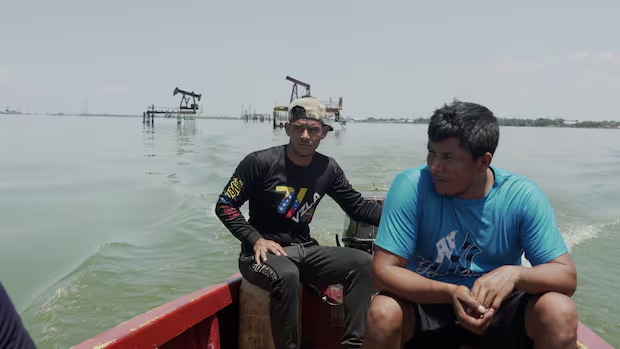
如今,湖面上随处可见锈迹斑斑的钻井平台和抽油机。它们大多已停止运转,有些甚至还在向湖中泄漏石油与天然气。曾经象征着委内瑞拉石油繁荣的马拉开波湖,如今却成了该产业衰败的缩影。
But today, the water is dotted with rusting rigs and pumpjacks. Most of them are out of use and some leak oil and gas into the water. Now, the lake that once embodied Venezuela’s oil bonanza has come to symbolize the industry’s collapse.
委内瑞拉拥有全球最大的已探明石油储量,估计达3030亿桶,但其石油产量仅占全球总量的1%左右。自21世纪初以来,该国石油产量已减少了约三分之二。
Venezuela holds the largest proven oil reserves in the world, with an estimated 303 billion barrels, but accounts for only about one per cent of global supply. Oil output has fallen by about two-thirds since the early 2000s.
这一衰退始于前总统乌戈·查韦斯执政时期:2002年至2003年发生罢工后,国有石油公司PDVSA解雇了约1.8万名技术工人。此后石油收入并未用于设施维护,大量石油基础设施逐渐荒废。2017年和2019年美国实施的制裁更是令情况雪上加霜。
The decline began under former president Hugo Chávez, when state oil company PDVSA fired around 18,000 skilled workers following a 2002-2003 strike. Revenues were diverted away from maintenance, and much of the oil infrastructure has been left to decay. U.S. sanctions imposed in 2017 and 2019 compounded the problems.
“我们感受不到石油带来的财富,”帕尔迪达说道,“我们既不销售石油,也对其无能为力。石油就那样闲置着,白白浪费掉。”马拉开波湖所在的马拉开波盆地拥有众多油田,这些油田属于今年8月底美国与委内瑞拉临时政府达成的能源协议的一部分。根据该协议,北美蓝色能源合伙公司获得了全国17处油田为期100年的开采权。该公司承诺将在两年内使石油产量翻一番。
“We don’t feel the oil wealth,” Partida said. “We don’t sell the oil, we don’t do anything with it. It just sits there, going to waste.”Oil fields in the Maracaibo Basin, where the lake is located, are part of the sweeping energy deal reached in late August between the United States and Venezuela’s interim authorities. It grants private company North American Blue Energy Partners a 100-year concession over 17 oil fields around the country. The company has promised to double oil production in two years.
尽管湖周边地区的许多居民对振兴石油产业的承诺表示欢迎,但他们也有更为迫切的需求:治理被污染的湖泊。
While many in the community surrounding the lake welcome promises to revitalize the oil sector, they also have a more immediate demand: clean up the polluted lake.
漏油环境下的捕鱼作业 石油会随着风向与洋流移动,但渔民们称,午后时分石油常常漂向他们所在区域,而此时正是他们出海捕捞虾类、用作次日诱饵的常规时间。
Fishing despite spills The oil shifts with winds and currents, but fishermen say it often drifts toward them in the early afternoon, just when they would normally head out to collect shrimp to use as bait for the following morning.
“石油泛滥时,我们什么也做不了,”36岁的格雷戈里·迪亚兹说道,他已在湖上捕鱼20年。“撒下渔网后,网上便沾满石油;一旦渔网受损,我们就无工具可用了。”
“When there’s a lot of oil, we don’t do anything,” said Gregory Díaz, 36, who has fished the lake for 20 years. “When we throw our nets, they become covered in oil, and if the nets get damaged, we have nothing to work with.”
“过去石油公司会来清理湖岸,但后来就不来了,”在湖上捕鱼十余年的奥利瓦雷斯说,“以前,委内瑞拉国家石油公司会在我们的渔网受损时予以更换,但多年来他们再也没这么做过。”目前有关委内瑞拉石油泄漏的数据已较为陈旧。负责追踪全国污染事件的委内瑞拉政治生态观察站统计显示,在有数据可查的2022年,全国共发生80余起石油泄漏事件,其中多数发生在靠近马拉开波湖的西部地区。
“The oil companies used to come clean the shore but stopped,” said Olivares, who has fished on the lake for over a decade. “Used to, PDVSA would replace our nets when they were damaged, but they haven’t done that in years.”Data on oil spills in Venezuela are outdated. The Observatory of Political Ecology of Venezuela, which tracks pollution events across the country, counted more than 80 oil spills in 2022, the last year for which figures are available. Most were located in the western part of the country near the lake.
居住在湖边的居民称,石油泄漏现象至今仍未停止,许多人反映每年都会发生数十起大规模泄漏事件。
Those who live along the lake say the spills haven’t stopped, and many describe dozens of large ones each year.
“几周前这里才发生泄漏,”卡洛斯·罗德里格斯站在渔船上说道。他正驾船驶向一台正在漏油且表面沾满黏稠原油的抽油机,原油还不断滴入水中。在这台机器周围数米范围内,都能闻到浓重的汽油味。
“This one just exploded a few weeks ago,” said Carlos Rodríguez from his fishing boat as he steered toward a pumpjack that was leaking gas and covered in sticky crude, which was also dripping into the water. There was a heavy smell of gas for several metres around the machine.
这些原油覆盖了所有与水接触的表面,留下一层黑色的黏腻残留物。
The crude oil covers every surface in contact with the water, leaving a black slimy residue.
许多人表示,持续的油气味以及与原油的接触已经影响了他们的健康。
Many say the constant smell and contact with the oil has impacted their health.
“有些哮喘患者被这种气味呛得喘不过气来,”罗德里格斯说,“大多数人都离开了,因为油气味实在太重,他们宁愿去别的地方生活。”帕蒂达也补充道:“孩子们去游泳后,身上就会沾满油污。”
“There are people who suffer from asthma and it chokes them,” said Rodríguez. “Most have left because the oil chokes them so much and they would rather live somewhere else.”“The kids go swimming and come out stained with oil,” Partida said.
目前尚无清理计划:无论是美国还是委内瑞拉当局,都未在新签署的石油协议中提及对湖泊的清理工作。近年来,委内瑞拉当局曾多次作出清理湖水及湖岸的承诺却均未兑现;最近一次是在2023年,环境部曾承诺组建“国家级团队”来清理湖畔的600处海滩。委内瑞拉政府的新闻部并未对相关询问作出回应。
No cleanup scheduled Neither the U.S. nor Venezuelan authorities have mentioned cleanup of the lake as part of the new oil deal. Venezuelan authorities have made several unfulfilled promises in recent years to clean up the water and shore, most recently in 2023, when the Environmental Ministry promised a “national team” to clean 600 beaches by the lake. The government’s communication ministry didn’t respond to a request for comment.
分析:美国有望很快掌控委内瑞拉20%的石油储量;加拿大石油行业对此并不担忧。分析:委内瑞拉各界均在谴责特朗普促成的“史上最大石油协议”。当地一家环保组织“Azul Ambientalistas”则要求将新产石油收入的5%用于湖泊清理工作。
AnalysisThe U.S. could soon control 20% of Venezuela's oil reserves. Canada's oilpatch isn't worried AnalysisVenezuelans of all stripes are denouncing Trump's 'biggest oil deal ever' One local environmental organization, Azul Ambientalistas, has demanded that five per cent of revenue from new oil output go to efforts to clean the lake.
对许多居民而言,清理湖泊是首要需求,这样他们才能重新捕鱼。不过也有不少人表示,若能有机会参与石油产业相关工作,他们也会欣然接受。
Cleaning up the lake is the first thing many residents want, so they can fish. But many say they would also welcome the chance to work with the oil, instead of only alongside it.
“只要他们召唤我,我就会去工作,”奥利瓦雷斯说道。不过据他称,自新石油协议公布以来,当地经济尚未出现任何变化。
“If they call me, I’ll go to work,” Olivares said. So far, he says they haven’t felt any economic change since the new oil deal was announced.
迪亚斯育有两个女儿,分别5岁和7岁。他表示,若能获得陆地上的工作机会,“或许能彻底改变我们的生活”。他补充道:“我们全靠捕鱼为生:捕到鱼就能有饭吃,捕不到就没钱可赚。”他估计,近年来由于水中的石油,他们的捕获量减少了40%。
Díaz, who has two daughters, ages five and seven, says a job on land “could change your life.”“Here we depend on fishing. If we catch something, we eat. If we don’t, we don’t have money,” he said. Their catches have dwindled by 40 per cent in recent years due to the oil in the water, he estimates.
一些居民说,最近有一家公司走遍社区收集姓名、电话号码和地址,以便新工作出现时联系。奥利瓦雷斯说他在名单上,但至今没人打来电话。
Some residents say a company recently came through the neighbourhood collecting names, phone numbers and addresses should new jobs open up. Olivares says he is on the list, but so far no one has called.
对于帕蒂达来说,她的肾脏超声检查得等到家庭经济状况好转才能进行。她说她希望新的石油收入很快能惠及他们。
For Partida, the ultrasound of her kidneys will have to wait until her family’s economic situation improves. She says she’s hopeful the new oil money will soon be felt.
“我相信,但有时我会怀疑,因为时间流逝,仍然有天然气泄漏和石油溢出,”她说。
“I believe it, but sometimes I have doubts, because time passes and there are still gas leaks and oil spills,” she said.