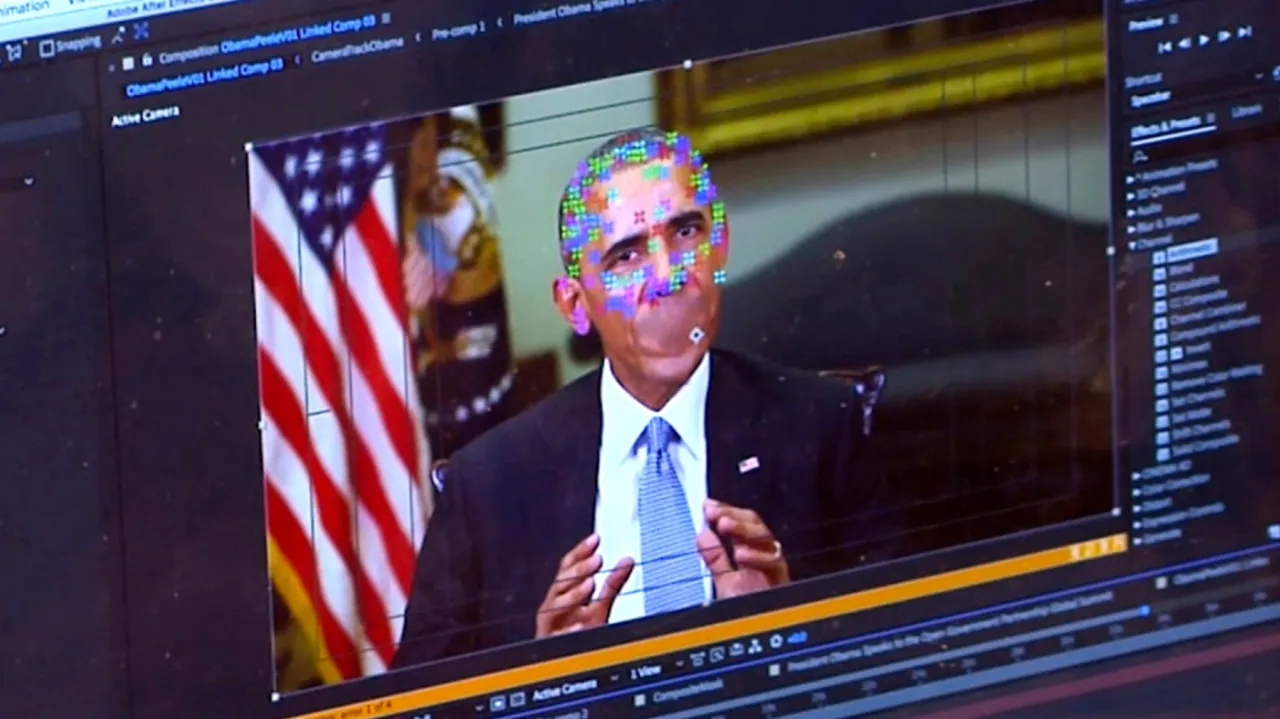
随着时间推移,诈骗手段日益令人胆寒。如今,在人工智能的辅助下,诈骗犯对美国民众构成的威胁前所未有。
With each passing day, scams are getting scarier. Now assisted by artificial intelligence, scammers are posing a greater risk to Americans than ever before in history.
每年,人们因冒充诈骗损失数十亿美元,自2020年以来这一数字几乎增长了近三倍。即便在人工智能普及之前,冒充欺诈也已泛滥成灾。
People lose billions of dollars per year to impostor scams — up nearly threefold since 2020. Even before AI use became ubiquitous, impersonation fraud was all too rampant.
如今,这意味着每年有数百万起个人报案涉及诈骗和盗窃,而人工智能正使克隆工具变得更加强大。以亚利桑那州母亲詹妮弗·德斯特法诺为例。
Today, it translates to millions of individual reports of scamming and stealing every single year, and AI is making cloning tools even more powerful. Case in point: Arizona mother Jennifer DeStefano.
2023年,德斯特法诺接听了一通电话,听到她15岁的女儿在哭泣并求救。
In 2023, DeStefano answered a phone call and heard her 15-year-old daughter crying and begging for help.
突然,一名男子接管了通话,声称绑架了德斯特法诺的女儿,并要求支付100万美元赎金以确保其安全返回,随后将要求降至5万美元。在支付赎金之前,德斯特法诺发现女儿安然无恙。
Suddenly, a man took over the call, claiming that he had kidnapped DeStefano’s daughter and demanding a $1 million ransom for her safe return before lowering the demand to $50,000. Before paying the ransom, DeStefano discovered her daughter was safe.
后来,她在参议院司法小组委员会作证时,描述了自己如何认出女儿的哭声和说话方式。该委员会认定她是人工智能深度伪造绑架和勒索诈骗的受害者。那还是2023年的事。随着人工智能的迅速进步,这一问题正在恶化。
When she later testified before a Senate Judiciary subcommittee, she described recognizing her daughter’s cries and the way she spoke. The committee identified her as the victim of an AI deepfake kidnapping and extortion scam. This was back in 2023. With rapidly advancing AI, this problem is getting worse.
人工智能使得模仿我们信任的人变得更加容易,同时也让人更难判断电话另一端——或屏幕视频中出现的人——是否真实。如今,声音和图像复制技术更加先进。诈骗犯只需三秒钟的音频即可复制一个人的声音。而且,诈骗只是冰山一角。
AI makes it easier to imitate the people we trust and harder to know whether the person on the other end of a phone call — or appearing in a video on our screen — is real. Now, voice and image duplication are even more advanced. All that a scammer needs to duplicate a voice is three seconds of audio. And scams are only the tip of the iceberg.
由人工智能驱动的数字复制品(即深度伪造)令人担忧,因为它们不需要明确的人类许可,便侵入了个人隐私、个人安全、企业声誉等其他领域。人们难道不应该拥有针对数字复制品的权利吗?
AI-powered digital duplicates called deepfakes are concerning because they don’t require explicit human permission, wading into individual privacy, personal security, corporate reputation and other realms. Shouldn’t people have rights against digital duplicates?
2024年,在一项收到超过10,000条公众评论的人工智能研究之后,美国……
In 2024, following an AI study that received more than 10,000 public comments, the U.S.