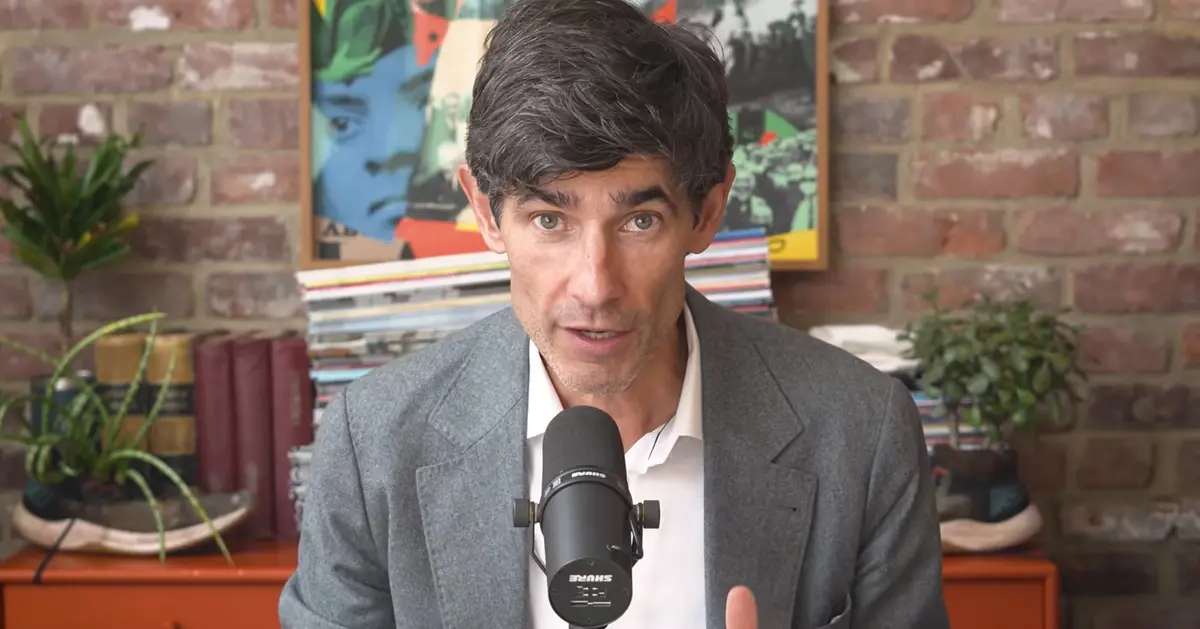
大西洋月刊首席执行官尼古拉斯·汤普森上个月在Vox的播客节目中谈论媒体业务时,主持人彼得·卡夫卡问他:随着汤普森个人播客的成功日益扩大,该杂志的主编杰弗里·戈德堡对此有何感受?
The Scoop Atlantic CEO Nicholas Thompson was talking about the media business on Vox’s podcast last month when host Peter Kafka asked him: How was the magazine’s editor-in-chief, Jeffrey Goldberg, feeling about the growing success of Thompson’s personal podcast?
“我做的事情为我们赚了很多钱,”他说。“杰夫喜欢我们赚钱。”汤普森的这番话在大西洋月刊的新闻编辑室里引发了广泛反响。汤普森的播客节目已成为该杂志商业团队与编辑团队之间紧张关系的来源。记者们抱怨称,这个利润丰厚且知名度高的节目不受大西洋月刊编辑规则、意见或监督的约束——然而,普通听众很容易将其误认为是大西洋月刊的编辑产品。
“We make a lot of money on the stuff I do,” he said. “Jeff likes when we make money.”Thompson’s response ricocheted around The Atlantic’s newsroom. Thompson’s podcast, , has emerged as a source of tension between the magazine’s business and editorial teams. Journalists have complained that the lucrative and high-profile show is not subject to The Atlantic’s editorial rules, input, or oversight — yet a casual listener could easily take it for an Atlantic editorial product.
汤普森的节目由杂志的商业部门制作,与许多当代播客一样,节目中包含对科技界人士和商业领袖的访谈,并穿插着其他内容。2024年该播客上线时,新闻编辑室并未提出异议;多年来,大西洋月刊一直通过其创意营销工作室和定制活动业务,拥有一支强大的付费内容团队。
Thompson’s show is made by the magazine’s business side, and — like any number of contemporary podcasts — features interviews with technologists and business leaders, interspersed with . When the podcast launched in 2024, the newsroom raised no objections; The Atlantic has featured a robust paid content arm for years through its creative marketing studio and custom events business.
但随着该节目近几个月来的知名度不断提升,播客在内部引起了越来越多的不安。尽管汤普森担任的是商业角色,但他是一位知名的前科技记者,也是《连线》杂志的前主编。去年,当他出版了一本广受好评的回忆录,讲述他的家庭以及作为精英长跑运动员的经历时,大西洋月刊刊登了其中的节选。在他的节目中,他邀请并采访了顶级嘉宾,包括OpenAI创始人萨姆·奥特曼——这导致员工们抱怨称,首席执行官的嘉宾邀请,无论有意还是无意,都在削弱新闻编辑室自身的努力。
But as the show’s profile has risen in recent months, the podcast has caused increasing consternation internally. Thompson, despite his commercial role, is a well-known former tech reporter and former editor-in-chief of Wired. Last year, when he published a well-received memoir of his family and time as an elite long-distance runner, The Atlantic ran an excerpt. On , he has booked and interviewed top-tier guests, including OpenAI founder Sam Altman — leading staff to complain that the CEO’s bookings are, intentionally or not, undercutting the newsroom’s own efforts.
据四位知情人士透露,该播客一直是汤普森和戈德堡之间摩擦的一个特别来源。戈德堡与大西洋银行所有者劳伦·鲍威尔·乔布斯(Laurene Powell Jobs)关系密切,他不向首席执行官汇报,而是直接向大西洋银行董事会汇报。(戈德堡已正式向汤普森的前任鲍勃·科恩汇报。)打破界限新闻媒体的编辑和业务两部分之间的传统分离一直面临着来自这一界限双方的压力。
According to four people familiar with the situation, the podcast has been a particular source of friction between Thompson and Goldberg. Goldberg, who also has a close relationship with Atlantic owner Laurene Powell Jobs, does not report to the CEO and instead reports directly to the Atlantic’s board of directors. (Goldberg had formally reported to Thompson’s predecessor, Bob Cohn.) Dissolving Lines The traditional separation between news outlets’ editorial and business halves has been facing pressure from both sides of that line.
Axel Springer首席执行官Mathias Dopfner的播客吸引了世界领导人、文化人物和高管。Axios首席执行官Jim VandeHei除了指导其业务外,还会定期撰写专栏文章,偶尔在公司网站上发布新闻。Substack时代独立媒体的发展也造就了一代记者,他们同时经营自己的小型媒体的商业和编辑部门。
Axel Springer CEO Mathias Dopfner’s podcast has drawn world leaders, cultural figures, and executives. Axios CEO Jim VandeHei regularly writes columns and occasionally breaks news on the company’s site, in addition to steering its business. The growth of independent media in the Substack era has also created a generation of journalists who run both the business and editorial arms of their own small media outlets.
在这种媒体环境下,汤普森赞助的播客并不算异常。但这是汤普森试图在商业方面推动新闻编辑室的最新例子,但却遇到了持怀疑态度和传统主义态度的编辑人员。
In this media environment, Thompson’s sponsored podcast is hardly an outlier. But it’s the latest instance in which Thompson’s attempts to nudge the newsroom on the business side have run up against a more skeptical and traditionalist editorial staff.
对人工智能故事实质内容的不同看法加深了紧张局势。汤普森于2024年签署了《大西洋月刊》和OpenAI之间的内容许可协议,激怒了新闻编辑室的工作人员,其中一些人认为前沿人工智能实验室窃取了记者的培训工作。
Deepening the tension are differing views about the substance of the AI story. Thompson inked a content-licensing deal between The Atlantic and OpenAI in 2024, angering newsroom staffers, some of whom view the frontier AI labs as having stolen journalists’ work for training.
该出版物的编辑工会公开对该交易及出版物的AI政策表示怀疑。该杂志的技术编辑发表评论文章称,像《大西洋月刊》这样的出版商正在进行一场“与魔鬼的交易”。据Semafor于2024年8月首次报道的一封信件显示,编辑部员工表示OpenAI正在捏造《大西洋月刊》的报道,并链接到对该出版物报道的聚合内容。尽管《大西洋月刊》发表了大量对主要AI公司及其产品对社会影响持怀疑态度的报道,但Thompson在其播客和LinkedIn帖子中的语气却更为乐观。
The publication’s editorial union publicly expressed skepticism of the deal and the publication’s policies around AI. The magazine’s tech editor published an op-ed saying publishers like The Atlantic were making a “devil’s bargain.”In an August 2024 letter first reported by Semafor, editorial staff said OpenAI was hallucinating Atlantic stories and linking to aggregation of the publication’s reporting. And while The Atlantic has published largely skeptical coverage of major AI companies and their products’ impact on society, Thompson’s tone, in his podcasts and LinkedIn posts, has been more optimistic.
《大西洋月刊》的视角 《大西洋月刊》拒绝置评。但一位公司高层消息人士强调,对于由公司商业部门制作的内容,有明确的免责声明进行区分,即使内容本身的基调可能具有新闻性——考虑到Thompson曾是记者,这或许并不令人意外。
The View From The Atlantic The Atlantic declined to comment. But one senior company source stressed that there are clear disclaimers demarcating content made by the business side of the company, even if the content itself can feel journalistic in tone — perhaps unsurprising in the case of , as Thompson is a former journalist.
Max的观点 《大西洋月刊》是第二个特朗普任期内最明显的媒体成功案例之一,得益于“Signalgate”事件及其他对特朗普政府的关键报道和评论、成功的活动业务,以及巧妙利用其华盛顿特区邻居《华盛顿邮报》的公开失误。这本168年历史的杂志凭借突破性的新闻报道、数字化成功以及一点良好的时机,让Goldberg和Thompson在媒体播客圈有了大肆吹嘘的资本。
Max’s view The Atlantic is one of the clear media success stories of the second Trump term, fueled by Signalgate and other critical reporting and commentary on the Trump administration, a successful events business, and shrewd moves to capitalize on the public stumbles of its DC neighbor, The Washington Post. The 168-year-old magazine’s breakout journalism, its digital success, and a bit of good timing have given both Goldberg and Thompson plenty to brag about on the media podcast circuit.
但组织高层在品牌和方向上的分歧,反映了许多高端新闻机构在后流量、AI主导的媒体时代中关于生存与盈利的困境。营销人员拥有无限的广告购买选择,意味着出版商不再拥有他们过去控制大部分分发渠道时的杠杆作用。同时,独立记者正在与广告商和营销人员建立直接关系,使其品牌的编辑部与商业部之间的界限变得更加模糊。
But strains at the top of the organization over its brand and direction reflect many premium news outlets’ dilemmas about survival and profit in a post-traffic, AI-ascendant media age. Marketers have infinite options for buying ads, meaning publishers no longer have the leverage they did when they controlled much of their own distribution. Meanwhile, independent journalists are developing direct relationships with advertisers and marketers, creating more fluidity between the editorial and business sides of their brands.
尽管如此,旧有界限的存在自有其理由。媒介碎片化让许多权势人物得以绕过传统媒体机构传递信息,而这些媒体提出的问题往往是许多首席执行官和政客不愿作答的。奥尔特曼愿意接受《大西洋月刊》首席执行官在一档赞助商业播客中的专访,却拒绝面对该杂志的科技记者,这并不令人意外。
Still, the old boundaries existed for a reason. Fragmentation has allowed many powerful figures to get their message across by circumventing traditional media outlets whose questions many CEOs and politicians don’t want to answer. It’s not surprising that Altman was willing to sit down with The Atlantic’s CEO on a sponsored business-side podcast, but not with the magazine’s tech journalists.
争议空间 读者和受众都明白,当某人经营或拥有一家新闻机构时,他们有权让其刊发自己的观点和想法,卡夫卡对汤普森说道。“这不违法,但也着实有点令人毛骨悚然。”
Room for Disagreement Readers and audiences understand that when someone runs or owns a news outlet, they have the right to make it publish their opinions and thoughts, Kafka told Thompson. “It’s not against the law, but it’s also a little creepy.”