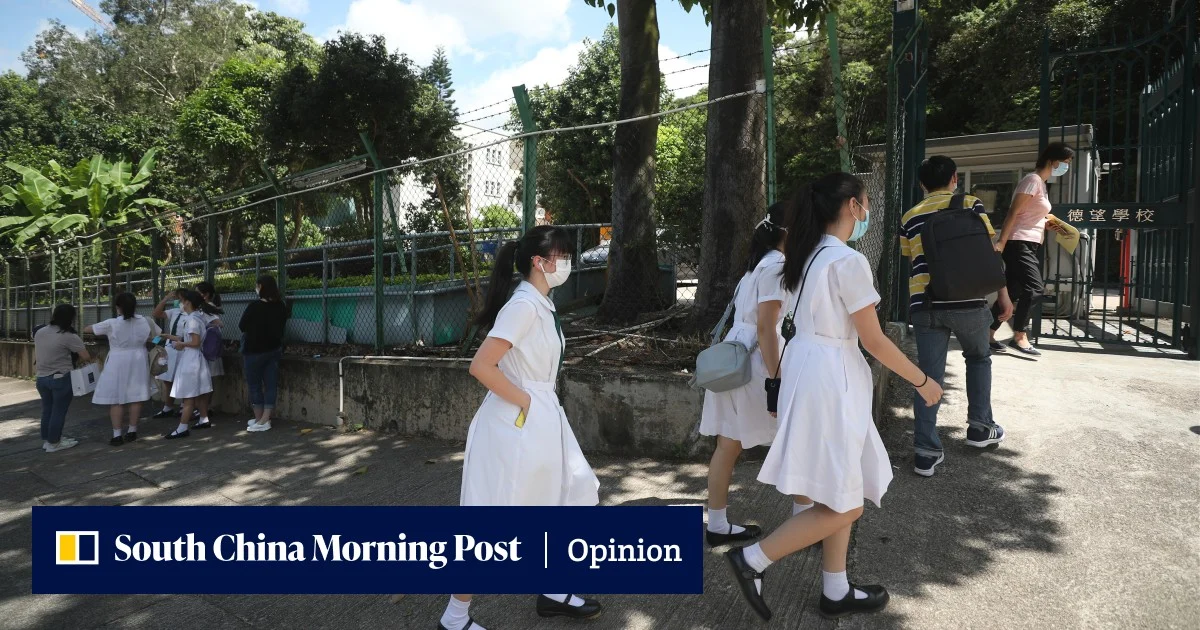
香港一所顶尖中学因疑似禁止在毕业视频中使用粤语而犯错。根据发给中六学生的“语言标准”,视频仅允许使用英语和普通话。指引指出,若视频投稿中检测到粤语,音频将被静音并需重新制作音效。
One of Hong Kong’s top high schools made the mistake of apparently banning Cantonese from graduation videos. Only English and Mandarin were permitted, according to “language standards” issued to Form Six students. The guidelines said that if Cantonese was detected in video submissions, the audio would have to be muted and sound effects redone.
相关帖子上月迅速在网上疯传,引发强烈反弹,当局介入。德望学校迅速行动,启动危机管理小组,不仅向学生,也向社会大众澄清政策。学校作出真诚道歉,并向公众保证,学校的办学理念从未、也绝不会“限制任何托付在我们照顾下的孩子的母语”。
A post on the matter quickly went viral last month, a backlash erupted and the authorities stepped in. Good Hope School acted swiftly, activating its crisis management team and clarifying its policy not only to students but also to the wider community. It offered a genuine apology and reassured the public that it was not and would never be its ethos to “constrain the mother tongue of any child entrusted to our care”.
危机化解。但事情为何会发展到这一步,疑问犹存。校长称有关幻灯片在发布前未经修订。但显然,学校里某位拥有决策权的人曾认为,“静音”粤语——这种约95%人口使用的语言——是可以接受的。
Disaster averted. The question of how things came to that remains, however. The principal said the slide in question hadn’t been revised before dissemination. But at some point, it seems, someone at the school with decision-making powers decided it would be OK to “mute” Cantonese, which is spoken by about 95 per cent of the population.
语言政策无法与政治割裂。这在香港过往一直是敏感议题,可追溯至帝国主义时代,当时语言是权力的工具,也是疏离民声的装置。
No language policy can be separated from politics. It was a contentious issue in Hong Kong’s past, going back to the days of imperialism, when language was an instrument of power and a device for alienating the voice of the people.
在香港,中文直到1974年才获认可为官方语言。这座城市时不时就会再次掀起关于语言使用的辩论。
In Hong Kong, Chinese was not recognised as an official language until 1974. Every so often, debate heats up again about the use of language in this city.
去年11月,有学校允许学生在书面评估和考试中使用简体中文,引发争议。前香港特首梁振英公开反对该举措,该措施旨在照顾内地新来港学生。梁振英主张,这些学生必须像本港其他学生一样适应繁体中文。
Last November, controversy erupted after it emerged that a school would permit students to use simplified Chinese characters in written assessments and exams. Former Hong Kong chief executive Leung Chun-ying spoke out against the measure, which was aimed at accommodating new students from the mainland. Leung argued that these students must accustom themselves to traditional Chinese characters, like other students in this city.
梁君彦十年前因社交媒体帖子中出现几个简体字而陷入困境。不过那时情况大不相同。激进本土主义迅速抓住一切机会,将议题政治化,同时以社会焦虑为养料。教育局非但没有帮忙,反而试图建议小学生学习简体字。即便是时任立法会主席曾钰成也提出反对,表示未经周全考虑和深思熟虑,不应提出此想法。
Leung got himself in a bind 10 years ago with social media posts that contained a few simplified Chinese characters. Those were very different times though. Radical localism was quick to pounce on just about anything, politicising issues while feeding off social angst. The Education Bureau didn’t help matters; it actually tried to suggest primary school pupils learn simplified Chinese characters. Pushback came even from Jasper Tsang Yok-sing, then Legislative Council president, who said the idea should not be raised without thorough consideration and deep thinking.
香港的官方语文教育政策旨在达致「两文三语」。任何试图阻挠这一政策的做法都是误导。对于香港是否正变成「只是另一个中国城市」,社会上已有日益增长的焦虑。我们说和写的语言,关乎我们身份认同的核心。
Hong Kong’s official language education policy aims for biliteracy and trilingualism. Any attempt to thwart that would be misguided. There is already growing anxiety over whether Hong Kong is becoming “just another Chinese city”. The language we speak and write is an issue that goes to the heart of our identity.
随着国家的蓬勃崛起,香港重塑「超级联系人」角色,无疑使使用普通话和简体字变得实用且必要。但这并不要求我们禁止粤语或限制其使用。维护和保障「一国两制」——在此框架下,我们的生活方式(可以说包括语言使用)受到保障——意味着我们应有空间回应周围不断演变的现实。鼓励使用和理解普通话要明智得多,一些人已自然地在追赶进度。
With the phenomenal rise of the nation, Hong Kong’s renewed role as a superconnector definitely makes communicating in Mandarin and simplified Chinese characters practical and necessary. But that does not require that we ban Cantonese or limit its use. Upholding and protecting “one country, two systems” – under which our way of life, arguably including our use of language, is safeguarded – means that we should have room to respond to evolving realities around us. Encouraging the use and understanding of Mandarin is far wiser, and some are already naturally playing catch-up.
立法会于七月进行历史性的北京考察行。在一次漫长的交流环节中,港澳办主任夏宝龙轻松建议议员们应提升普通话水平。当然,这将改善沟通,且不必以牺牲其他汉语方言为代价。我们的议员从未被要求在家中为使用粤语进行辩护。
The Legislative Council made a historic study trip to Beijing in July. At one point during a long exchange session, Xia Baolong, director of the Hong Kong and Macau Affairs Office, made a lighthearted suggestion that our lawmakers should improve their Mandarin skills. Sure, that would improve communication and it need not be at the expense of other Chinese dialects. Our lawmakers have never been called on to defend their use of Cantonese at home.
香港是一座国际大都市,这是我们引以为傲、也理应引以为傲的。我们立志建设一个包容的社会,拥抱多元,欢迎来自不同文化和背景的人士。创新科技及工业局局长孙东在立法会及其他公开场合讲普通话非常自如。
Hong Kong is an international city, and this is something we are, and should be, very proud of. We aspire to be an inclusive society, open to diversity and welcoming to people from different cultures and backgrounds. Secretary for Innovation, Technology and Industry Sun Dong has been very comfortable speaking Mandarin in the Legislative Council and other public settings.
政府一直致力弘扬、推广和保护本地文化,包括饮食传统和文物古迹。今年,本港推出“香港万圣节月”。这个节日为何会在香港流传开来,本身就是我们身份认同的一部分。或许它成了大众放松心情、为夜经济重注活力的一个契机。无论如何,我们的文化、历史和集体记忆都应获得认可。文:胡恩威
Our government has been working hard to celebrate, promote and protect local culture, including our culinary traditions and heritage sites. This year, the city is launching “Hong Kong Halloween Month”. How this festival came to be celebrated in Hong Kong in the first place is part of who we are. Perhaps it was seized on as an excuse for everyone to let their hair down and bring vibrancy back to our nightlife. One way or another, our culture, history and collective experience should be recognised.