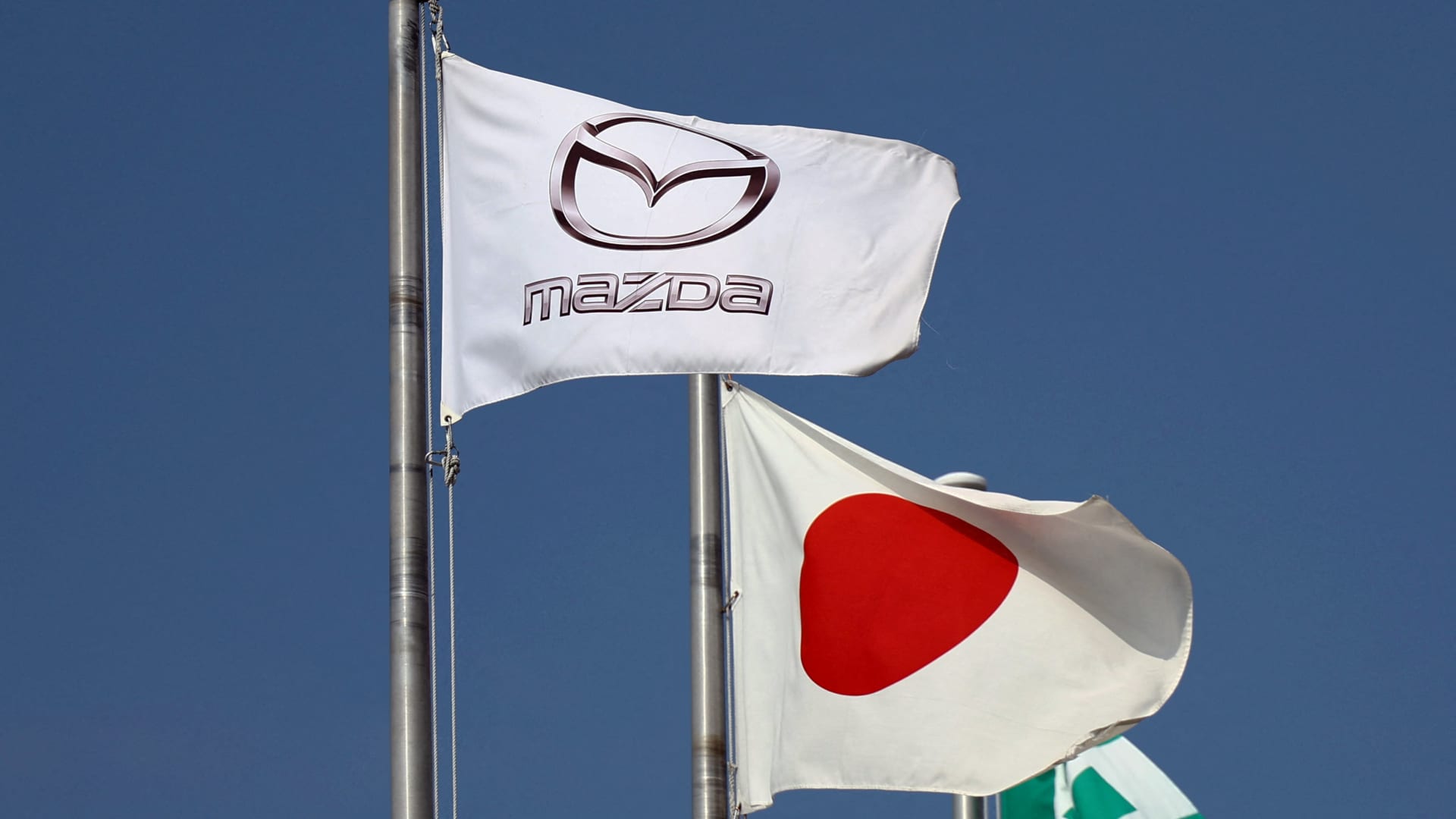
日本企业正以创纪录的数量撤离中国,因为中国经济增长放缓以及外交关系冻结,迫使企业重新评估其在中国——世界第二大经济体——的业务布局。
Japanese companies are leaving China in record numbers, as a slowing Chinese economy and a diplomatic freeze force businesses to reassess their presence in the world's second-largest economy.
据日本企业信用研究机构Teikoku Databank的数据,截至6月,在中国运营的日本企业数量已降至历史最低水平,为10,118家。这一数字较2024年6月的前一次调查下降了22%,比2012年的峰值低约30%,也是Teikoku自2010年开始追踪该数据以来的最低值。
The number of Japanese companies operating in China fell to a historic low, standing at 10,118 as of June, according to Teikoku Databank, a corporate credit research firm in Japan. That's down 22% from the previous survey held in June 2024 and about 30% below the 2012 peak, and the lowest since Teikoku began tracking the data in 2010.
政治咨询公司欧亚集团(Eurasia Group)的分析师Jeremy Chan表示,日本企业原本就已计划缩减在中国的业务规模,但中日关系急剧恶化后,它们正以更紧迫的态度考虑退出中国市场。
Japanese firms, which were already planning to reduce their footprint in China, are considering withdrawing from the market with greater urgency since China-Japan ties went into a tailspin, said Jeremy Chan, an analyst at political consultancy firm Eurasia Group.
Teikoku在上周的报告中指出,随着亚洲两大经济体之间外交冲突的加剧,这种撤离趋势可能会进一步加剧。日本企业本就面临关税风险、不断上涨的劳工和制造成本以及激烈的本地竞争所导致的盈利能力下降,因此不得不缩减或关闭在中国的业务。报告还补充说,一些企业已减少对中国的依赖,但尚未完全与中国脱钩。
The exodus is likely to intensify as the diplomatic feud between Asia's top two economies forces Japanese companies — already grappling with shrinking profitability strained by tariff risks, growing labor and manufacturing costs, cutthroat local competition — to shrink or shut their operation in China, Teikoku said in its report last week. Some firms have reduced dependence on China without fully decoupling from it, it added.
自去年11月日本首相高市早苗在国会表示,若中国入侵台湾,日本可能卷入军事行动以来,中日关系已承受巨大压力。北京方面则以限制向日本企业出口关键矿物作为回应,并敦促公民避免前往日本。
China-Japan relations have come under heavy strain since Prime Minister Sanae Takaichi told parliament in November last year that Japan could get militarily involved in the event of a Chinese invasion of Taiwan. Beijing has responded by curbing exports of critical minerals to Japanese companies and urged citizens to refrain from traveling to Japan.
日本企业及其员工在中国越来越感到不受欢迎且缺乏安全感。杰里米·陈(Jeremy Chan),欧亚集团分析师。富士通研究所首席政策经济学家马丁·舒尔茨(Martin Schulz)表示,美国关税、中国商品日益增长的公众抵制情绪以及印度市场的扩大等因素,也进一步激励了日本企业加速多元化布局、减少对北京的依赖。“对中国的投资正遭遇完美风暴的冲击。”他说。
Japanese firms and their employees increasingly feel unwelcome and unsafe in China. Jeremy ChanAnalyst, Eurasia Group Factors such as U.S. tariffs and a growing public resistance to Chinese goods and a growing Indian market have also further incentivised Japanese businesses' push to diversify away from Beijing, said Martin Schulz, chief policy economist at Fujitsu Research Institute. "Investment in China is weathering the perfect storm," he said.
根据Teikoku的数据,过去两年间,有创纪录的4137家日本企业完全撤出中国。同期仅有1221家企业通过子公司、工厂或代表处进入中国,这一数字在新冠疫情之外为历史最低。
In the past two years, a record number of 4,137 Japanese companies fully withdrew from China, according to Teikoku's data. Only 1,221 entered over the same period, through subsidiaries, factories or representative offices, the fewest on record outside the Covid-19 pandemic.
Monex Group专家总监耶斯珀·科尔(Jesper Koll)表示,日本企业对中国这一曾经的关键市场依赖度逐渐降低,同时越来越依赖美国市场。
Japanese firms have grown increasingly reliant on the U.S. market while shifting away from China, what was once a key market, said Jesper Koll, expert director at Monex Group.
根据科尔的估算,今年迄今,东京证券交易所上市公司的中国利润占比已降至不足15%,而2020年这一比例为23%;相比之下,来自美国的利润占比则从同期的25%上升至35%。
Topix-listed companies saw the share of profits derived in China dwindle to less than 15% so far this year, down from 23% in 2020, while those from the U.S. rose to 35% compared with 25% over the same period, according to Koll's estimates.
科尔指出,华盛顿正在“公开招揽”日本企业以支持其再工业化努力,而北京则转向了“中国制造、中国生产”的模式。
Washington is "openly courting" Japanese players to aid its re-industrialization efforts while Beijing has shifted towards a "made in and made by China" model, Koll said.
分析师称,今年日本公民被北京拘留的事件进一步加剧了企业派遣人员前往中国的担忧。据报道,8月份有多名日本公民,包括日本顶尖企业的高管,因涉嫌违反两用物项出口管制规定而被拘留。
Cases of Japanese nationals being detained by Beijing this year have further added to businesses' concerns about sending personnel to China, analysts say. Several Japanese nationals, including executives at top Japanese firms, were reportedly detained in August over alleged violations of dual-use goods export restrictions.
陈表示:“日本企业及其员工在中国越来越感到不受欢迎且缺乏安全感。”
"Japanese firms and their employees increasingly feel unwelcome and unsafe in China," Chan said.
日本对外贸易组织4月发布的一份报告显示,企业对中国业务扩张的意愿正日益减弱。
An April report from Japan External Trade Organization showed that companies are increasingly reluctant to expand their business in China.
周二,在“Teikoku”报告发布一天后,中国副总理何立峰表示,中国“始终欢迎”日本企业来华发展业务、共享市场机遇。
On Tuesday, a day after the Teikoku report, Chinese vice premier He Lifeng said China "always welcomes" Japanese enterprises to develop business and share market opportunities in the country.
他向日本国际贸易促进协会的代表团表示,希望其“在历史问题上坚持正确方向……并在推进中日经贸合作中发挥更大作用”。新加坡南洋理工大学的古贺圭教授表示,汽车制造商、零部件供应商和以出口为导向的制造商最有可能缩减在华业务。他补充说,那些已完成本地化并能与中国竞争对手抗衡的企业,尤其是医疗和精密设备制造商,更有可能继续留在中国。
He told a delegation from the Japanese Association for the Promotion of International Trade to "keep to the right course on historical issues … and play a greater role in advancing China-Japan economic and trade cooperation." Automakers, parts suppliers and export-oriented manufacturers are the most likely to scale back in China, said Kei Koga, a professor at Nanyang Technological University in Singapore. Companies that have localized and can compete with Chinese rivals, particularly medical and precision equipment makers, are more likely to stay, he added.