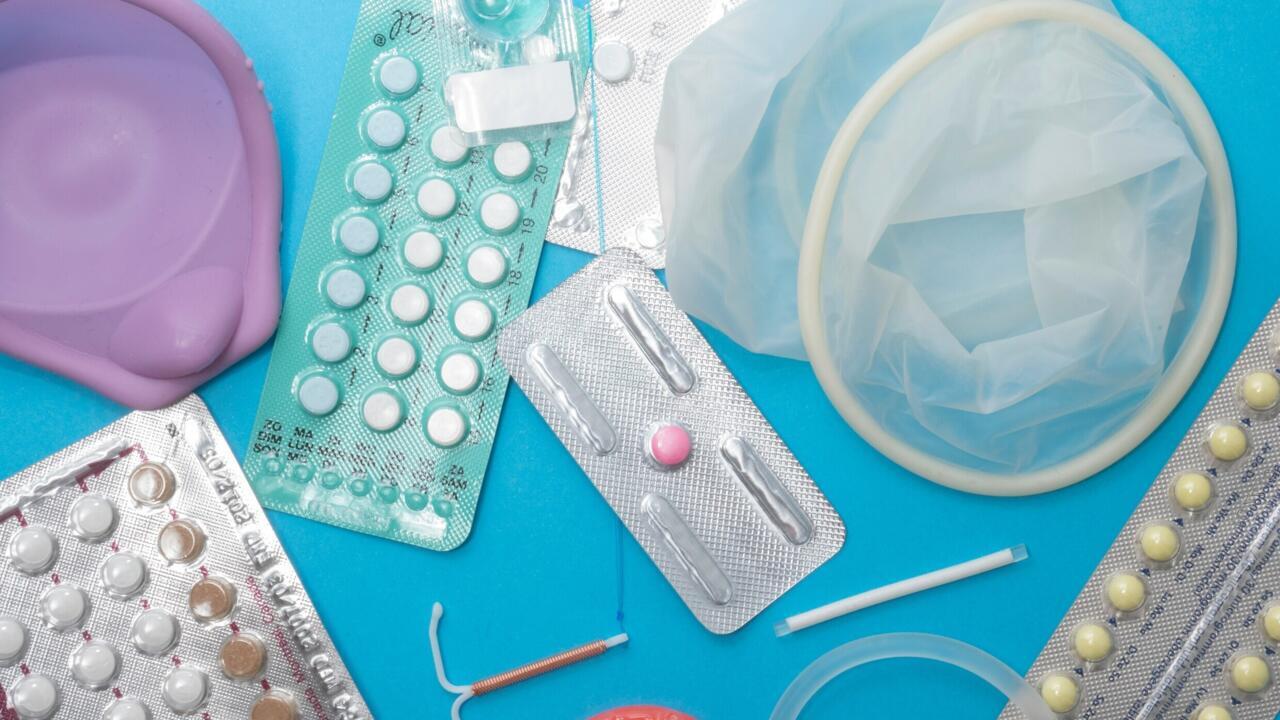
最初作为解放象征的避孕药,后来几乎成为女性避孕历程中不可避免的一部分。但如今在法国,它的使用率正在下降,健康警告、不信任以及对避孕态度的转变共同导致了其受欢迎程度的降低。
Initially a symbol of liberation, the pill went on to become an almost inevitable part of a woman’s contraceptive journey. But today its use in France is in decline, the drop in popularity fuelled by health warnings, mistrust and a changing attitude towards contraception.
“在我们看来曾是巨大解放——且确实是巨大解放——的事物,如今显然已不再被以同样的眼光看待。”79岁的妇科医生达妮埃尔·哈松回忆起那一代人开始发生性行为时,堕胎仍然是非法的。“所以我们没有权衡同样的因素,”她说。
"What seemed to us to be a tremendous liberation – and which a tremendous liberation – is clearly no longer seen in the same light." At 79, gynaecologist Danielle Hassoun remembers a generation that started having sex at a time when abortion was still illegal. “So we didn’t weigh up the same factors,” she says.
1967年在法国全面合法化后,避孕药数十年来象征着女性健康的重大进步:将性行为与生育分离的能力,以及选择何时生育或是否生育的权利。
Fully legalised in France in 1967, for decades the pill symbolised a major advance in women's health: the ability to separate sexuality from motherhood, and to choose when or whether to have a child.
对许多女性来说,它已成为常态,是既定避孕路径的一部分:性生活的开始阶段使用避孕套,进入稳定关系后服用避孕药,生育孩子后则使用宫内节育器(IUD)——更常被称为节育环。直到最近,避孕药仍然是法国女性最常用的避孕方式。
For many women it became the norm, as part of an established contraceptive pathway: condoms at the start of one’s sex life, the pill once in a stable relationship and then an intrauterine device (IUD) – more commonly known as a coil – after having children. Until recently, the pill was still the most common method of contraception for women in France.
那个时代已经过去。2005年,18至49岁使用避孕措施的女性中有55.8%服用避孕药,而到2023年,这一数字已降至26.8%。宫内节育器已跃居首位,占27.7%。
Those days are gone. Whilst 55.8 percent of women aged 18 to 49 who used contraception were taking the pill in 2005, by 2023 this figure had fallen to 26.8 percent. The IUD has taken the lead, at 27.7 percent.
“这是一个普遍趋势,”法国国家健康与医学研究院(Inserm)研究员、美国约翰斯·霍普金斯大学布隆伯格公共卫生学院教授卡罗琳·莫罗表示。
"This is a general trend," according to Caroline Moreau, a researcher at the French National Institute of Health and Medical Research (Inserm) and a professor at the Johns Hopkins Bloomberg School of Public Health in the United States.
以德国为例,2015年22岁以下女性中有43%服用避孕药——而2024年这一比例为22%。据一项调查,避孕套现在是那里的首选方式。
In Germany, for example, 43 percent of women under the age of 22 were taking the pill in 2015 – compared with 22 percent in 2024. According to one survey, condoms are now the preferred method there.
莫罗表示,自21世纪初以来,这种受欢迎程度的下降主要可以用代际更替来解释。“女性如今是在服用避孕药的环境中长大的,因此它不再被视为一种解放。”法国议会一致为因堕胎而受罚的女性平反 权衡风险 对于第一代使用者来说,选择很少,而在堕胎不得不秘密进行的那个时代,对意外怀孕的恐惧要严重得多。自避孕药问世以来,避孕方式的选择日益丰富,这使得副作用和限制因素在用户眼中变得难以接受。
This decline in popularity, notable since the mid-2000s, can be explained primarily by a generational shift, says Moreau. "Women have [now] grown up with the pill, so it is no longer seen as something liberating." French parliament unanimously exonerates women punished for abortion Balancing risk For the first generation of users there were few alternatives, and the fear of an unwanted pregnancy loomed much larger at a time when abortion was by necessity clandestine. Since the advent of the pill the range of contraceptive options has widened, making side effects and constraints less acceptable to users.
2012年,第三代和第四代避孕药引发危机后,这种下降趋势进一步加速。当时,媒体对血栓风险增加的报道导致避孕药使用率急剧下降。更广泛地说,这也加剧了人们对激素避孕方式的不信任。
The decline accelerated following a crisis surrounding third- and fourth-generation contraceptive pills in 2012, when media coverage of the increased risk of thrombosis led to a sharp drop in use. More broadly, this fuelled mistrust of hormonal contraception.
最近的一项新警告再次引发了讨论。9月10日,法国国家药品与健康产品安全局宣布,将向使用屈螺酮类避孕产品的用户寄送信函,提醒他们患脑膜瘤的风险有所增加——脑膜瘤是覆盖大脑和脊髓的脑膜组织所形成的肿瘤。
A new warning has recently added to the debate. On 10 September, the French National Agency for Medicines and Health Products Safety announced it would be sending a letter to users of desogestrel-based contraceptives to warn them of an increased risk of meningioma – tumours of the meninges, membranes that cover the brain and spinal cord.
尽管绝对风险仍然非常低——每67300名使用屈螺酮或炔诺孕素类避孕产品的用户中,仅会增加一例病例——但哈松表示:“人们不愿为了预防而承担风险,这是可以理解的。这与作为治疗疗程的一部分服药并不相同。”尽管有宪法保障,法国女性仍面临日益增长的堕胎障碍 詹妮弗·圣马丁-德尼在蒙彼利埃担任助产士——自2009年起,她在法国已获得开具避孕药的资格——她报告称,在最近这项警告发布后,一些正在使用激素避孕的女性前来表示希望停药。
While the absolute risk remains very low – approximately one additional case per 67,300 users of desogestrel- or etonogestrel-based contraceptives – Hassoun says: "It’s understandable that people don’t want to take risks for the sake of prevention. It’s not the same as taking medication as part of a course of treatment." French women face growing obstacles to abortion despite constitutional right Jennifer Saint-Martin Denys works in Montpellier as a midwife – authorised to prescribe contraception in France since 2009 – and reports that since this latest warning, some women on hormonal contraception have come in saying they want to stop taking it.
从更宏观的角度来看,她补充道:“患者们已经不再想要服用避孕药了。”劳尔今年四十多岁,14岁时开始服用避孕药以调节月经。她持续服用了近15年,“即使在我长期没有恋爱关系、而且毫无疑问本可以做出不同选择的时期,我也一直在服用”,她说。
In terms of the broader picture, she added: "Patients no longer want the pill." Laure is in her forties and started taking the pill at the age of 14 to regulate her periods. She continued taking it for almost 15 years, "even during long periods when I wasn’t in a relationship and when I could undoubtedly have done things differently," she says.
“现在回想起来,当时明明有其他选择,却每天持续服用激素,这似乎有点奇怪。”莫罗认为,将避孕药视为“理所当然的选择”,而非多种选项之一,反而也导致了其使用率的下降。
"When I think about it now, it seems a bit strange to have carried on taking hormones every day when there were other solutions." Moreau believes presenting the pill as "a given" rather than one of several options has also paradoxically contributed to declining use.
“我们未经任何询问就让人开始服用避孕药,”她说。尽管她指出,对许多女性而言,避孕药的利弊比仍然有利,但她补充道:“但这是女性的选择,而不是医生的选择,她们必须了解所有可用的避孕方法。”“夺回”身体 社交媒体上的帖子也反映出人们对激素避孕方式的日益不信任。在德国,年轻女性使用避孕药的比例正在急剧下降,近年来,“停止服用避孕药”和“无激素”等话题标签变得普遍。
"We put people on the pill without asking any questions," she says. While she points out that the risk-benefit ratio of the pill remains favourable for many women, she adds: "But it is the woman’s choice, not the doctor's choice, and they must be informed of all the methods on offer." 'Reclaiming' the body Social media posts too reflect a growing mistrust of hormonal contraception. In Germany, where the use of the contraceptive pill is declining sharply amongst young women, hashtags such as ("stop taking the pill") and ("hormone-free") have become common in recent years.
一项在德国和丹麦进行的研究显示,分享个人经历正在将讨论从医疗风险转向更广泛的话题,讨论越来越多地聚焦于身心健康、情绪、性欲以及女性与自身身体的关系。
A study carried out in Germany and Denmark shows that shared testimonials are shifting the conversation beyond medical risks, with discussions increasingly centred on wellbeing, mood, libido and women's relationships with their bodies.
“我们今天接诊的大多数患者的首要需求是:我想减轻自己的心理负担,”圣-马丁·德尼指出。
"The main priority for the majority of patients we see today is: I want to reduce my mental load," notes Saint-Martin Denys.
法国将免费避孕服务扩大至25岁女性 25岁的克莱芒回忆说,16岁时,她在计划生育诊所选择第一种避孕方式时,被提供了多种选项:避孕药、宫内节育器、植入式避孕装置或避孕贴片。当时,避孕药对她来说似乎是最简单的选择——而使用宫内节育器则需要预约妇科医生。
Free contraception extended to French women up to the age of 25 Clémence, aged 25, recalls that when she chose her first form of contraception at a family planning clinic at the age of 16, she was presented with several options: the pill, an IUD, an implant or a patch. At the time, the pill seemed the simplest solution to her – an IUD meant having to make an appointment with a gynaecologist.
但服用避孕药两年后,几次漏服以及随之而来的怀孕检测结果,促使她做出了改变。一位已经改用宫内节育器(IUD)的朋友让她对放置过程感到安心——如今,IUD已成为法国最广泛使用的避孕方法——于是她选择了铜制节育器。
But after two years on the pill, a few missed doses and the resulting pregnancy tests prompted her to make a change. A friend who had switched to an IUD – now the most widely used method of contraception in France – reassured her about the insertion, and she opted for a copper coil.
“我不想再承受避孕药带来的心理负担了,”她解释道,“而且我也想避免使用激素,选择更自然的方式。”圣马丁·德尼发现,患者们提出这种要求的频率越来越高。有些人希望恢复规律的月经周期,追踪排卵期,或者只是更清楚地了解自己的身体正在发生什么。
"I didn’t want the mental burden of the pill any more," she explains. "And I also wanted to avoid hormones and use something more natural." Saint-Martin Denys is hearing this request from patients more and more. Some want to get their regular menstrual cycle back, track their ovulation or simply gain a better understanding of what is happening in their bodies.
“她们确实有一种想要重新掌控这些方面的强烈愿望,”她解释说。
"There is a real desire to reclaim [these things]," she explains.
34岁的基娅拉曾使用过避孕药,之后又尝试了激素型IUD,但后来换用了让她感觉不适的铜制IUD。
Kiara, aged 34, used the pill, followed by a hormonal IUD and then a copper IUD, which she found uncomfortable.
三年前,她决定“彻底停止使用避孕措施”。当时她还是单身,所以使用避孕套。如今她已处于一段关系中,会用应用程序追踪自己的月经周期,并在排卵期使用避孕套。她知道这种策略的可靠性较低,但表示愿意接受这种程度的怀孕风险。
Three years ago, she decided "to stop using contraception altogether". Single at the time, she used condoms. Now in a relationship, she tracks her cycle using an app and uses condoms during her fertile periods. She knows this strategy is less reliable but says she is willing to accept that level of pregnancy risk.
托梅解释说,长期以来,掌控自己的身体意味着能够通过药物调节月经周期。如今,对某些女性而言,这种掌控感更多来自“理解并接受月经周期”。
For a long time, taking control of one’s body meant being able to regulate one’s cycle using medication, explains Thomé. Today, for some women, this sense of control now comes more from "understanding and accepting the menstrual cycle".
为何月经正成为法国女权主义者的下一个前沿领域?“一场非凡的革命” 然而,莫罗指出,避孕药受欢迎程度的下降并不意味着它本身存在问题。她担心,人们有时会忽视其益处,而只关注其风险,并且关于去氧孕烯的警告可能会引发新一轮的“避孕药危机”。“避孕药是一场非凡的革命,”她强调说。
Why menstruation is the next frontier for French feminists 'An extraordinary revolution' The decline in the popularity of the pill does not discredit it, however, says Moreau, who is concerned that its benefits are sometimes overlooked in favour of focusing solely on its risks, and that the warning about desogestrel might trigger a new "pill crisis". "The pill is an extraordinary revolution," she says emphatically.
圣马丁-德尼强调,某些激素类避孕药物除了避孕效果外,还可能带来医疗益处——尤其是在月经量极大、子宫腺肌症和子宫内膜异位症的情况下。
Saint-Martin Denys highlighted that some hormonal contraceptives may offer medical benefits in addition to their contraceptive effect – particularly in cases of very heavy periods, adenomyosis and endometriosis.
此外,无激素避孕方法并不适合所有人。例如,铜制宫内节育器可能适合希望避免使用激素的女性,但对于有严重月经量问题的女性来说,可能并不推荐。
Additionally, hormone-free methods are not suitable for everyone. A copper IUD, for example, may be suitable for a woman who wishes to avoid hormones but may not be recommended for another who suffers from very heavy periods.
然而,对许多人而言,这一两难困境似乎仍然难以克服。由于家族中有血栓和月经问题的病史,艾米丽已经服用含屈螺酮的避孕药物Optimizette数年。关于脑膜瘤风险的警告让她担忧,但其他选择却十分有限。
For many though, the dilemma remains seemingly insurmountable. With a family history of thrombosis and menstrual problems, Émilie has been taking Optimizette, a contraceptive pill which contains desogestrel, for several years. The warning over the risk of meningioma worries her, but the alternatives are limited.
“我几乎别无选择,只能服用一种并不理想的药物,只是为了避免其他问题,”她总结道。
"I’m pretty much left with no choice but to take something that’s not great just to avoid other problems," she concludes.
哈苏恩强调,风险与收益的权衡具有个体差异,因此医疗专业人员需要根据每位女性的具体情况量身定制避孕方案。
Hassoun emphasises the individual nature of the risk-benefit ratio – and the importance as a result of healthcare professionals tailoring contraception to each woman.
圣马丁-德尼同样强调,有必要花时间向女性解释每种选择的益处与风险。“毕竟,最好的避孕方式,是女性自己选择的方式。”
Saint-Martin Denys too stresses the need to take the time to explain the benefits and risks of each option. "The best form of contraception is, after all, one a woman has chosen."