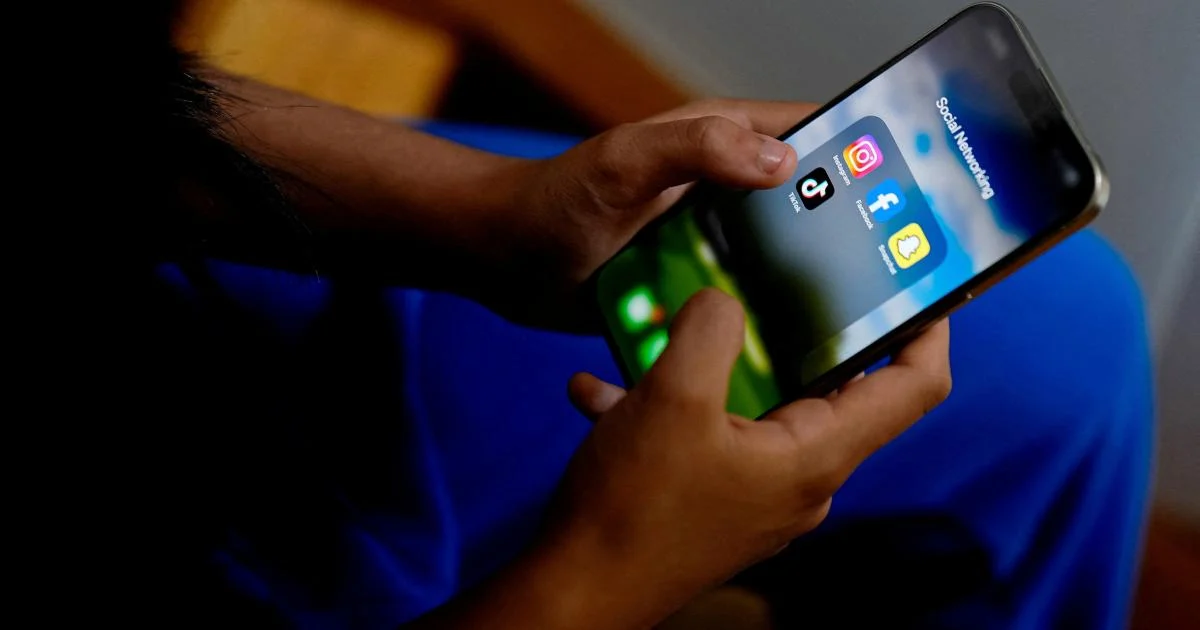
4月和5月,社交媒体平台Bluesky的数百名用户发现他们的账户被劫持并用于传播有关乌克兰的内容。克莱姆森大学的研究人员后来将这场活动归咎于社会设计机构,这是一家俄罗斯咨询公司,因开展克里姆林宫指导的恶意影响活动而受到美国财政部的制裁。事实证明,Bluesky的行动只是SDP最近规模更大的行动组合中的一部分:新闻门户网站Delfi Estonia获得并与有组织犯罪和腐败报告项目共享的泄露文件揭示了现实世界中破坏行为的计划、恐吓和选举干预。
In April and May, hundreds of users of the social media platform Bluesky discovered that their accounts had been hijacked and used to spread content about Ukraine. Researchers at Clemson University later attributed the campaign to the Social Design Agency, a Russian consulting firm sanctioned by the U.S. Department of Treasury for running Kremlin-directed malign influence campaigns. The Bluesky effort turned out to be only one piece of the SDA’s much larger portfolio of recent operations: leaked documents obtained by the news portal Delfi Estonia and shared with the Organized Crime and Corruption Reporting Project revealed plans for real-world acts of vandalism, intimidation, and election interference.
大多数关于在线影响力和虚假信息活动的讨论都认为,像Bluesky这样的攻击是独立的行为。但正如SDA的行动所显示的那样,影响力行动越来越相互关联,成为超越传统界限的宣传战略的一部分。中国、伊朗和俄罗斯等成熟国家经常将公开的公共信息与隐蔽的影响力相结合,并将广播渠道与社交媒体平台相结合。国家媒体、官方政府账户、付费网红、虚假角色、黑客账户和机器人军队都是同一个系统的一部分。这种综合方法,我们称之为“全方位宣传”,现在是美国对手试图向国外传播信息的规范。
Most discussions of online influence and disinformation campaigns assume that attacks such as the one on Bluesky are discrete efforts. But as the SDA’s operations show, influence operations are increasingly interconnected and part of propaganda strategies that transcend traditional boundaries. Sophisticated states such as China, Iran, and Russia routinely combine overt public messaging with covert influence and mix broadcast channels with social media platforms. State media outlets, official government accounts, paid influencers, fake personas, hacked accounts, and bot armies are parts of the same system. This integrated approach, which we call “full-spectrum propaganda,” is now the norm for U.S. adversaries trying to spread their message abroad.
正如我们在最近的一篇文章中概述的那样,在全方位宣传中,各国可以使用的许多渠道相互强化,使叙述看起来更可信,并使其更广泛地传播。在国家支持的广播频道上发布的故事可能会吸引一位观众,而社交媒体账户则会引起另一位观众的注意。官方媒体可以引用虚假账户上的帖子,这些账户的创建者伪装成普通公众,使边缘说法看起来很正常。
In full-spectrum propaganda, as we outlined in a recent article, the many channels that states can use reinforce each other, making narratives seem more credible and allowing them to proliferate more widely. A story publicized on a state-backed broadcast channel may reach one audience, while social media accounts catch the attention of another. Official outlets can quote from posts on fake accounts whose creators masquerade as ordinary members of the public, making a fringe claim seem normal.
付费影响者可以以引起小众受众共鸣的风格定制信息。人工智能的迅速扩张使这一战略变得更加强大:各国越来越多地将人工智能融入其宣传行动的各个层面,允许小团体或个人开展以前需要更多资源的宣传活动。
Paid influencers can tailor messages in a style that resonates with niche audiences. The rapid expansion of artificial intelligence is making this strategy even more powerful: states are increasingly integrating AI into every level of their propaganda operations, allowing small groups or individuals to conduct propaganda campaigns that would previously have required far greater resources.
仅仅解决离散外国影响活动的策略将无法应对全方位宣传带来的挑战。美国需要能够全面了解、评估和对抗影响力行动,但随着威胁的加剧,美国一直在削弱其这样做的能力。政客们一直在解散旨在追踪外国影响力的政府机构,社交媒体公司正在为其平台的研究设置障碍,让国家措手不及。随着人工智能加速传播并扩大全球宣传的影响范围,华盛顿却对这一挑战视而不见。
Strategies that merely address discrete foreign influence campaigns will fail to meet the challenges presented by full-spectrum propaganda. The United States needs to be able to understand, assess, and counter influence operations holistically, yet as the threat grows, the United States has been undercutting the capacity that would allow it to do so. Politicians have been dismantling the government agencies designed to track foreign influence, and social media companies are raising barriers to research on their platforms, leaving the country unprepared. As AI accelerates the spread and expands the reach of global propaganda, Washington is blinding itself to the challenge.
在过去十年的大部分时间里,政治家和公众通过最初可见的部分来理解社交媒体上的外国影响力运作。大多数情况下,这将是社交媒体公司发现的虚假账户网络,作为他们消除平台上机器人,诈骗和在线欺骗的努力的一部分。在删除这些账户后,公司会撰写报告,研究人员(包括我们)会发布分析报告,解释在线影响力活动不断演变的策略、技术和程序。对每一次行动细节的关注使人们将威胁视为狭隘的、不同的事件。
EVERYTHING EVERYWHERE ALL AT ONCE For much of the last decade, politicians and the public understood foreign influence operations on social media through the parts that first became visible. Most often, this would be a network of fake accounts discovered by social media companies as part of their efforts to eliminate bots, scams, and online deception on their platforms. After taking down such accounts, companies would write reports and researchers (including us) would publish analyses to explain the evolving tactics, techniques, and procedures of online influence campaigns. The focus on the specifics of each individual operation led people to think of the threats as narrow, distinct incidents.
但可见的片段并不是故事的全部。国家支持的宣传人员不必在官方媒体和虚假账户之间、秘密人物和公开广播公司之间、或者在欺骗媒体或Telegram频道之间做出选择。他们可以一起使用所有这些--而且他们越来越多地这样做。
But the fragment of what is visible is not the whole story. State-backed propagandists do not have to choose between state media and fake accounts, between covert personas and overt broadcasters, or between a spoofed media outlet or a Telegram channel. They can use all of them together—and they are increasingly doing so.
例如,EDA以向客户报告的咨询公司的方式记录了自己的工作。泄露的文件显示,该客户是俄罗斯总统弗拉基米尔·普京的政府,其官员出现在该机构的内部通讯中,监督其工作。该咨询公司的秘密行动只是更广泛的俄罗斯宣传机构的一部分,该机构还包括国家媒体网络、官方政府渠道和虚假人物角色。莫斯科及其代理人联合使用所有这些工具来放大宣传信息并接触多种类型的受众。将外国影响力活动视为社交媒体问题过于有限。
The SDA, for instance, documented its own work in the style of a consultancy reporting to a client. That client, the leaked documents suggest, was the administration of Russian President Vladimir Putin whose officials appear in the agency’s internal communications overseeing its work. The consulting firm’s covert operations are just one component of a much broader Russian propaganda apparatus that also includes state media networks, official government channels, and fake personas. Moscow and its proxies use all of these tools in tandem to amplify propaganda messages and reach many types of audiences. Looking at foreign influence campaigns as a social media problem is too limited.
正如有组织犯罪和腐败报告项目和其他新闻媒体所解释的那样,SDP是2025年6月一段假视频的幕后黑手,该视频被贴上了沙特媒体制作的标签,声称乌克兰总统泽连斯基在迪拜摩天大楼哈利法塔购买了一套豪华公寓。一份内部报告估计,这个虚假故事在全球范围内的观看次数可能高达8600万次;针对亚美尼亚总理尼科尔·帕辛扬(Nikol Pashinyan)的类似活动可能获得了超过1000万次观看次数。
As the Organized Crime and Corruption Reporting Project and other news outlets explained, the SDA was behind a fake video in June 2025, branded to appear as if it were made by the Saudi media outlet , which claimed that Ukrainian President Volodymyr Zelensky purchased a luxury apartment in Burj Khalifa, a skyscraper in Dubai. An internal report estimated that this false story could have logged as many as 86 million views globally; a similar SDA effort targeting Armenian Prime Minister Nikol Pashinyan likely racked up over ten million views.
在某些情况下,SDP不会模仿现有媒体,例如,而是召唤完全品牌的假新闻媒体:一份泄露的文件描述了在亚美尼亚6月议会选举中使用与SDP相关的媒体的计划。
In some cases, rather than mimicking an existing outlet such as , SDA conjures fully branded fake news outlets: one leaked document described plans to use an outlet tied to the SDA in Armenia’s June parliamentary elections.
当需要更远的距离时,EDA会转向付费影响者。例如,今年早些时候,克里姆林宫希望支持时任匈牙利总理维克托·欧尔班的连任竞选。据报道,民主行动党认识到俄罗斯的公开支持可能被解释为外国干预并损害欧尔班的竞选活动,因此提议通过中间人联系当地有影响力的人,使俄罗斯内容看起来像本土的。
When more distance is required, SDA turns to paid influencers. Earlier this year, for example, the Kremlin wanted to support the reelection bid of Viktor Orban, then Hungary’s prime minister. According to the , the SDA, recognizing that overt support from Russia could be interpreted as foreign meddling and hurt Orban’s campaign, proposed contacting local influencers via go-betweens to make the Russian content appear homegrown.
NDA甚至通过举办有争议或威胁的事件来引起关注,弥合现实世界和在线信息之间的差距。2025年9月,被砍下的猪头被留在巴黎及其周边地区的清真寺和伊斯兰中心外,其中包括几个标有“马克龙”的猪头。泄露的NDA文件揭示了这一行动背后的细致计划,以及法国和德国其他地方的类似破坏阴谋。主流广播和社交媒体报道了这些事件,引发了现实世界对欧洲仇外心理和伊斯兰恐惧症的担忧。NDA将这些称为“认知打击”:重点是确保可见性、塑造认知并创造可被利用的情感反应。
The SDA even bridges the gap between the real world and online information by staging controversial or threatening events to generate attention. In September 2025, severed pig heads, including several marked “Macron” for the French president, were left outside mosques and Islamic centers in and around Paris. The leaked SDA files reveal the meticulous plans behind the effort, along with similar vandalism plots elsewhere in France and in Germany. Mainstream broadcast and social media covered these events, generating real-world concern about xenophobia and Islamophobia in Europe. The SDA calls these “cognitive strikes”: the point is securing visibility, shaping perceptions, and creating emotional responses that can be exploited.
此类秘密活动补充了莫斯科继续发展其全球广播宣传机构的努力。2025年,克里姆林宫向俄罗斯国家广播公司RT拨款310亿卢布(3.67亿美元)。据英国广播公司报道,RT和国家通讯社和广播服务Sputnik已扩展到非洲、拉丁美洲、中东和东南亚,包括接管当地媒体频道。RT Academy是该广播公司的教育部门,在印度尼西亚首都雅加达开展了一项新闻项目,以培训新一代记者;其项目包括“事实核查”和“在讲故事时应用道德标准”。
Such covert activity complements Moscow’s efforts to continue to develop its broadcast propaganda apparatus worldwide. In 2025, the Kremlin allocated 31 billion rubles ($367 million) to RT, the Russian state broadcaster. RT and Sputnik, the state news agency and radio service, have expanded across Africa, Latin America, the Middle East, and Southeast Asia, according to the BBC, including by taking over local media channels. RT Academy, the broadcaster’s educational arm, ran a journalism program in Jakarta, the Indonesian capital, to train a new generation of reporters; its programming included “fact checking” and “applying ethical standards” in storytelling.
RT不仅在自己的电台上进行广播,还资助和运营同情心的代理频道。例如,2024年,美国司法部起诉两名RT员工向美国右翼媒体Tenet Media捐赠近1000万美元。即使是为Tenet Media工作的有影响力的人也不知道这笔资金的来源。
RT is not only broadcasting on its own stations but is also funding and operating sympathetic proxy channels. In 2024, for example, the U.S. Department of Justice indicted two RT employees for funneling nearly $10 million to Tenet Media, a right-wing U.S. media outlet. Even influencers working for Tenet Media were unaware of the source of that funding.
影响力的融合全方位宣传带来了独特的挑战,因为它利用了现代信息系统赋予合法性的方式。正如心理学研究所表明的那样,重复会强化信念,当一种叙述出现在多个不同的地方或当许多看似无关的人开始谈论它时,它可能看起来更可信。当一个渠道、一些有影响力的人和Telegram频道中的一些人似乎独立地得出相同的结论时,一种说法看起来更可信。
A CONFLUENCE OF INFLUENCE Full-spectrum propaganda presents a distinct challenge because it exploits the way modern information systems confer legitimacy. As research in psychology has shown, repetition reinforces belief, and a narrative may seem more believable when it appears in multiple distinct places or when many seemingly unconnected people start talking about it. A claim looks more credible when an outlet, a few influencers, and some individuals in a Telegram channel seem to arrive at the same conclusion independently.
综合宣传活动也可以更容易地逃避个别平台现有的打击力度。由于社交媒体公司监管内容的方式不同,因此当一个网站上的虚假帐户被删除时,他们可能会简单地重新更新或迁移到政策更允许或执法能力较弱的平台。当俄罗斯官员和官方媒体将2022年3月乌克兰一家妇产医院的爆炸事件描述为伪造事件并声称受害者是付费演员时,Twitter等社交媒体平台删除了这些欺骗性内容。
Integrated propaganda campaigns can also more easily evade existing crackdown efforts by individual platforms. Because social media companies differ in how they regulate content, when fake accounts on one site get removed, they may simply respawn or migrate to platforms with more permissible policies or weaker enforcement capacity. When Russian officials and state media outlets portrayed the bombing of a Ukrainian maternity hospital in March 2022 as a faked event and claimed that the victims were paid actors, social media platforms such as Twitter took down the deceptive content.
但声称是事实核查组织的匿名Telegram频道大受欢迎,并在那里传播了虚假叙述。其中一些努力可能是调查指控的真正尝试,但其他许多努力似乎是国家支持的宣传团体寻求新的地方来分享他们的信息。
But anonymous Telegram channels claiming to be fact-checking organizations gained popularity and spread the false narrative there. Some of these efforts may have been genuine attempts to investigate the charges, but many others appeared to be the work of state-backed propaganda groups seeking new places to share their message.
因此,在一个全方位宣传的世界中,逐个平台或简单地将外国影响力活动视为社交媒体问题,这太有限了。
In a world of full-spectrum propaganda, then, looking at foreign influence campaigns on a platform-by-platform basis or simply as a social media problem is too limited.
例如,仅仅分析Bluesky上的帖子,就会忽视他们所宣传的信息与Facebook和X上的同时努力、官方媒体的文章以及世界各地的公共广播的联系。
Merely analyzing posts on Bluesky, for instance, overlooks the way the message they are promoting connects to simultaneous efforts on Facebook and X, articles in state media, and public broadcasts around the world.
了解现代宣传活动需要检查叙事可能还出现在哪里,影响者是否引用了虚假媒体,表面上独立的来源是否相互关联,以及系统的这些不同部分如何相互强化。
Understanding a modern propaganda campaign requires examining where else a narrative may have appeared, whether fake outlets were quoted by influencers, whether ostensibly independent sources were connected, and how those different parts of the system reinforce one another.
人工智能正在进一步改变宣传策略,并使应对它的挑战变得更加困难。一项调查显示,中国和伊朗使用中国开源模型通过人工智能代理在有限的人力监督下开展宣传活动。这些特工在各种社交媒体网络上创建了虚假帐户,发布了虚假故事,并协调了他们的信息传递。尽管这些例子的影响范围有限,但它们可能是即将发生的事情的预兆。
AI is further transforming propaganda strategies and making the challenge of countering it harder. An investigation by revealed that China and Iran have used Chinese open-source models to run propaganda campaigns through AI agents with limited human supervision. The agents created fake accounts on a variety of social media networks, posted false stories, and coordinated their messaging. Although these examples were limited in reach, they are likely harbingers of what is to come.
官方媒体频道也在使用人工智能来扩大影响力:Anthropic发现俄罗斯官方媒体使用其人工智能模型Claude将罗马尼亚和摩尔多瓦新闻转化为俄语文章,展示了各州如何在不需要语言专业知识的情况下轻松翻译内容。专家甚至瞄准人工智能系统本身,试图塑造聊天机器人提供的答案。他们正在创建虚假网站并发布内容,这些内容旨在在人工智能模型检索信息时浮出水面,并影响训练人工智能模型如何响应的数据。
State media channels are also using AI to expand their reach: Anthropic found that the Russian state media had used its AI model, Claude, to turn Romanian and Moldovan news into Russian-language articles, showing how states can easily translate content without needing linguistic expertise. Propagandists are even targeting the AI systems themselves to try to shape the answers that chatbots provide. They are creating fake websites and publishing content designed to come to the surface when AI models retrieve information and to influence the data that trains AI models on how to respond.
能力崩溃由于美国对手正在寻求全方位、人工智能优化的宣传方法,华盛顿需要尽可能多的能力来整体评估威胁并揭露或打击它。不幸的是,社交媒体平台和美国政府在过去几年里一直在摧毁这种能力,让美国意识不到自己的弱点。
CAPACITY COLLAPSE Because U.S. adversaries are pursuing a full-spectrum, AI-optimized approach to propaganda, Washington needs as much capacity as it can get to assess the threat holistically and expose or combat it. Unfortunately, social media platforms and the U.S. government have spent the past several years dismantling exactly that capacity, leaving the United States unaware of its vulnerabilities.
在硅谷,各公司使得获取其平台相关数据变得更加困难,从而限制了对外国宣传活动的可见性。社交媒体平台已撤回关于平台完整性和透明度的承诺,并终止了与研究人员的合作。今年五月,Meta裁员10%,其中包括其调查团队的成员,该团队在打击网络影响力行动方面发挥了关键作用。2024年,Meta取消了CrowdTangle,这是一款研究人员可用于获取公开帖子的透明化工具;2023年,现更名为X的Twitter终止了研究人员对其API的免费访问权限,研究人员此前一直使用该API研究平台上的公开帖子。
In Silicon Valley, companies have made it harder to access data about their platforms, limiting the visibility of propaganda campaigns. Social media platforms have walked back platform integrity and transparency commitments and dissolved collaborations with researchers. In May, Meta laid off ten percent of its workforce, including members of its investigations team, which had been instrumental in combating online influence operations. In 2024, Meta eliminated CrowdTangle, a transparency tool that researchers could use to gain access to public posts, and in 2023, Twitter, now known as X, ended free access to its API for researchers, who had used it to study public posts on the platform.
如今,X向研究人员收取每1000条推文5美元的费用,或至少每月42000美元的企业订阅费,这使得许多学者难以在大规模上对该平台进行研究。
X now charges them $5 for access to every 1,000 tweets, or at least $42,000 per month for an enterprise subscription, making it far too costly for many academics to conduct research on the platform at scale.
这些障碍限制了独立机构对平台和政府关于外国影响力声明的核查,使得识别此类活动的严重程度并从中汲取有用经验变得更加困难。今年八月,当X宣布移除一个疑似中国机器人农场中的20万个账户——其中20个账户据称发布了有关人工智能数据中心的信息——时,该公司并未向研究人员提供关于该行动的数据。政客们借此新闻指责中国的秘密影响力是导致美国民众对数据中心产生反感的原因,但克莱姆森大学教授达伦·林维尔(Darren Linvill)进行的一项分析显示,那些可被识别的账户所发布的帖子几乎未获得任何互动,并非重大影响力的来源。影响力行动将越来越多地涉及人工智能增强的系统。
These barriers have limited independent checks on statements from the platforms and the government about foreign influence, making it harder to identify the severity of such campaigns and draw useful lessons from them. When in August, X announced the removal of 200,000 accounts from a suspected Chinese bot farm—200 of which it claimed posted information about AI data centers—the company did not make data about the operation available to researchers. Politicians seized on the news to blame Chinese covert influence for the backlash to data centers in the United States, but an analysis conducted by Clemson University professor Darren Linvill revealed that posts from the accounts that could be identified had received virtually no engagement and were not a source of significant influence. Influence operations will increasingly involve AI-enhanced systems.
在华盛顿,对打击国内审查制度的关注导致领导美国追踪外国影响力活动的机构解散。美国总统唐纳德·特朗普于2025年1月上任第一天签署了关于结束审查制度的行政命令,旨在防止政府侵犯受宪法保护的言论。但结果是扼杀了联邦政府减轻外国影响的努力,审查制度的说法被用来关闭或削弱重要机构。
In Washington, a focus on fighting domestic censorship has led to the dissolution of institutions leading U.S. efforts to track foreign influence campaigns. U.S. President Donald Trump’s executive order on ending censorship, signed on his first day in office in January 2025, was framed as an attempt to prevent the government from infringing on constitutionally protected speech. But the result has been to stifle federal efforts to mitigate foreign influence, and claims of censorship have been used to shut down or weaken essential institutions.
2024年,国会未能延长国务院全球参与中心的任期,该中心于2016年成立,得到了两党的支持,目标是追踪中国、伊朗、俄罗斯和其他外国行为体的宣传。为取代它而设立的反外国信息操纵和干扰中心随后被国务院关闭。共和党议员和其他反对这些办公室的批评者声称,他们试图审查美国人,但最终没有法院发现他们这样做了。
In 2024, Congress failed to extend the mandate for the State Department’s Global Engagement Center, an office set up in 2016 with bipartisan support and a goal of tracking propaganda from China, Iran, Russia, and other foreign actors. The organization created to replace it, the Counter Foreign Information Manipulation and Interference hub, was then shut down by the State Department. Republican lawmakers and other critics who campaigned against these offices claimed that they were trying to censor Americans, but no courts ultimately found that they had.
然后,2025年8月,国家情报总监图尔西·加巴德关闭了外国恶意影响中心,该中心负责协调情报界对外国干涉及其应对方法的分析。司法部还关闭了联邦调查局的外国影响力特别工作组,该工作组试图揭露外国对美国领土的非法干涉,并协调机构内部和机构之间的调查和情报共享。
Then, in August 2025, Director of National Intelligence Tulsi Gabbard closed the Foreign Malign Influence Center, which coordinated the intelligence community’s analysis of foreign interference and methods for countering it. The Justice Department also shut down the FBI’s Foreign Influence Task Force, which sought to expose illegal foreign interference on U.S. soil and aligned investigations and intelligence sharing within and across agencies.
综合来看,这些机构的瓦解在华盛顿方面关于中国、伊朗和俄罗斯动向的认知上造成了巨大空白,尤其是它们所开展的全谱系影响力活动。美国参议院情报特别委员会副主席马克·沃纳参议员今年春季曾警告称,目前用于追踪或干扰美国对手所实施的隐蔽行动的能力已严重不足。与此同时,随着外国影响力行动日益一体化,美国政府却正在丧失理解这些行动所需的协调能力。
Taken together, the destruction of these institutions has created a huge gap in the knowledge available to people in Washington about what China, Iran, and Russia are doing, especially the entire spectrum of influence activities they are undertaking. As Senator Mark Warner, vice chairman of the Select Committee on Intelligence, warned this spring, too little capacity remains to track or disrupt covert campaigns run by adversaries of the United States. At the same time that foreign influence operations are becoming more integrated, the U.S. government is losing the coordination needed to understand them.
在美国自我蒙蔽之际,外国对手正在扩大其行动规模。影响力行动将越来越多地涉及人工智能增强的系统和组织,这些系统能够自主创建虚假新闻媒体、生成文章和视频,通过被劫持或虚假的账户进行传播,在意见领袖中散布信息,在官方国家媒体中引用相关内容,并误导人工智能问答引擎,使其认为谬误或赤裸裸的谎言代表真相或主流观点。
As the United States blinds itself, foreign adversaries are expanding their efforts. Influence operations will increasingly involve AI-enhanced systems and organizations that can autonomously create fake news outlets, generate articles and videos, disseminate them through hijacked or inauthentic accounts, seed them among influencers, quote them in official state media, and trick AI answer engines into thinking that fallacies or outright lies represent the truth or mainstream opinion.
当中国、伊朗和俄罗斯在宣传的全谱系上运作时,美国却陷入了狭窄的部门壁垒之中。如果连理解威胁性质的能力都没有,华盛顿便无从开始应对这一威胁。
As China, Iran, and Russia operate across the full spectrum of propaganda, the United States is getting stuck in narrow silos. Without the capacity to even understand the nature of the threat, Washington cannot begin to counter it.