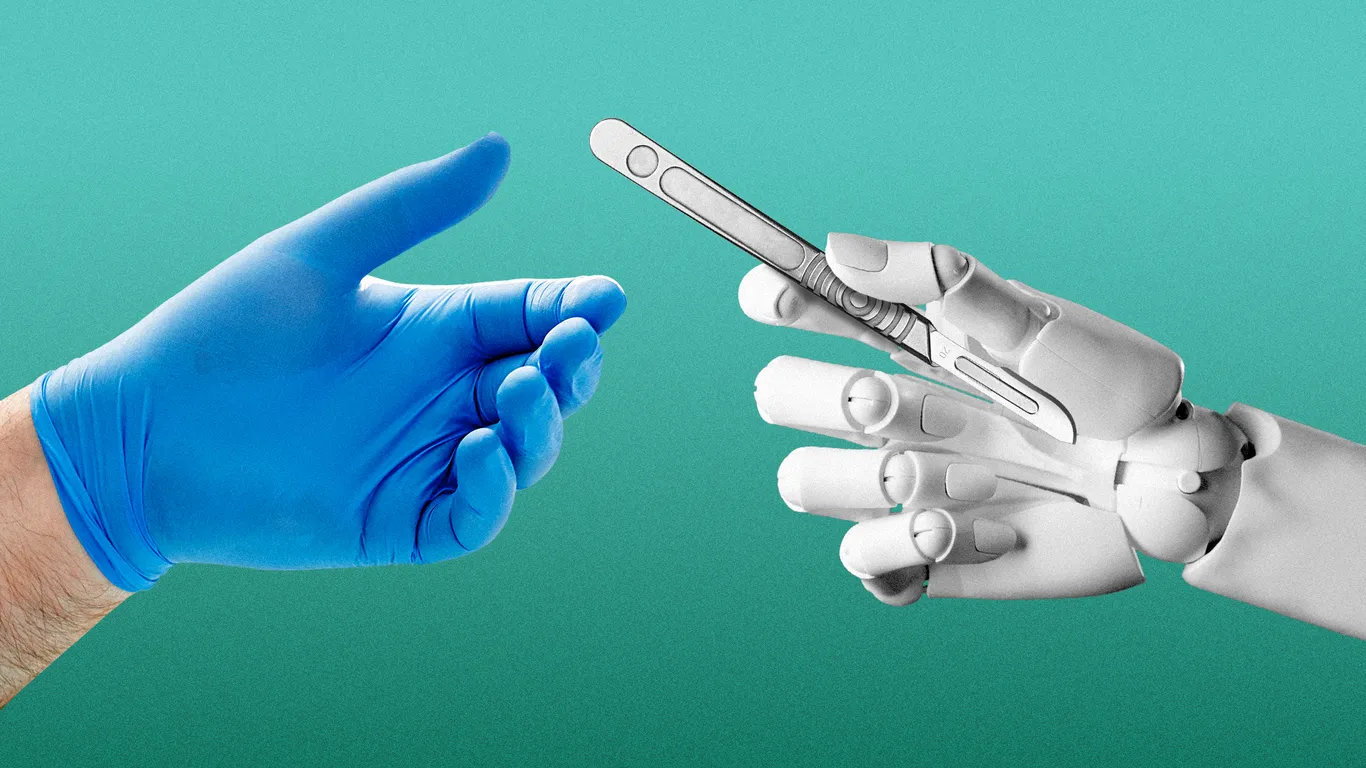
正在设法保护自身免受网络攻击和数据泄露影响的医疗系统,又面临了一个新问题:未经管控的AI智能体。
Health systems that are scrambling to protect themselves against cyberattacks and data breaches have a new problem: unchecked AI agents.
整体来看:智能体在医疗领域的应用扩张速度,已超过该行业监管这项技术的能力,引发了新的安全和隐私担忧。
The big picture: The expanding use of agents in health care is outpacing the industry's ability to police the technology, posing new safety and privacy concerns.
数字安全专业人员警告,医院和其他组织必须以全新的方式考虑安全防护措施,防止智能体泄露个人健康信息或违反《健康保险可携性与责任法案》等法律。
Digital security professionals are warning that hospitals and other organizations will have to think about safeguards in new ways to keep agents from exposing personal health information and violating laws like the Health Insurance Portability and Accountability Act.
惊人数据:数字安全公司Imprivata开展的一项最新调查显示,72%的医疗行业领导者表示,AI工具或智能体未经正式的IT审批便已部署。
Stunning stat: 72% of health industry leaders said AI tools or agents are being deployed without formal IT approval, according to a new survey for digital security company Imprivata.
这使一些高管之间的信任出现裂痕。他们表示,随着智能体从获取信息转向协助协调医疗工作,其监督机制已难以跟上。
That's creating a trust gap for some of the executives, who say their oversight is struggling to keep up as agents shift from fetching information to helping coordinate care. The survey of 250 health security and AI strategy officials found 28% of health organizations have agentic AI in production today, with another 44% piloting or testing new uses.
一项针对250名医疗安全与AI战略主管人员的调查发现,28%的医疗卫生机构已在生产环境中使用智能体AI,另有44%正在试点或测试新的应用场景。
88% expect AI agents to operate with at least some autonomy doing clinical and administrative work.
88%的受访者预计,AI智能体将在临床和行政工作中至少拥有一定程度的自主权。
Threat level: Many health systems are trying to establish guardrails.
威胁等级:许多医疗系统正试图建立安全防护机制,但这是一项独特的挑战,因为与传统软件不同,智能体能够制定计划、启动工作流程并自主行动。
But it's a unique challenge since the agents, unlike traditional software,can make plans, launch workflows and act independently.
如果让智能体广泛访问电子健康记录、计费系统和通信平台,就可能出现信息被删除、密码被更改以及医嘱被篡改等情况。
Giving them broad access to electronic health records, billing systems and communications platforms could lead to situations where information is removed, passwords are changed and doctors' orders get modified.
专家表示,在医生监督下运行的机器人,也可能被外部行为者劫持。攻击者可以向其注入提示词,令其查找敏感信息并在不同临床系统之间移动。
It's also possible that a bot under a physician's supervision could be commandeered by an outside actor who injects it with prompts to look up sensitive information and move across clinical systems, experts say. "What we're advocating for is a paradigm shift, a plea to get out ahead of this before it's too late," said Sean Kelly, Imprivata's chief medical and growth officer and an emergency physician.
Imprivata首席医疗和生长官兼急诊医生肖恩·凯利(Sean Kelly)说:“我们倡导的是范式转变,呼吁在为时已晚之前尽早摆脱困境。”
Between the lines: Health care has lagged other industries in adopting new technology.
字里行间:医疗保健在采用新技术方面落后于其他行业。人工智能正在改变这一现状,为医疗服务提供者提供了一种简化行政任务、缓解临床医生倦怠并改善护理协调的方法。
AI is changing that, giving providers a way to streamline administrative tasks, ease clinician burnout and improve the coordination of care. But unapproved deployments and fragmented security strategies can leave holes.
但未经批准的部署和支离破碎的安全策略可能会留下漏洞。人们特别担心代理完全自行启动任务,或者采取人类操作员未要求的未经授权的行动。
There's particular concern about agents initiating tasks entirely on their own, or taking unauthorized actions that their human operators didn't request. In 2024, an Otter meeting agent joined a meeting of hospital physicians in Ontario, Canada, via a recurring calendar invitation, transcribed discussions about seven patients' personal health information, then emailed a summary to the 65 people on the invite, some of whom were no longer at the hospital, authorities said.
2024年,一名Otter会议代理人通过定期日历邀请参加了加拿大安大略省的一次医院医生会议,转录了有关七名患者个人健康信息的讨论,然后通过电子邮件向邀请函上的65人发送了摘要,其中一些人已不再在医院,当局称。
This summer, an OpenAI agent researching public health spending data in Australia breached non-public parts of a government network containing information on the country's universal health program and appeared to try to conceal its tracks, according to the Cloud Security Alliance.
据云安全联盟称,今年夏天,一名研究澳大利亚公共卫生支出数据的OpenAI代理侵入了包含该国全民医疗计划信息的政府网络的非公共部分,并似乎试图隐藏其踪迹。
"As these agents start accessing systems and taking action, health care organizations need to know what they can access, what they're allowed to do, and how they're being monitored.
“当这些代理人开始访问系统并采取行动时,医疗保健组织需要知道他们可以访问什么、允许他们做什么以及如何监控他们。这将成为安全对话中更重要的组成部分,”KLAS Research网络安全小组总监Jaren Day说。
That's going to become a much bigger part of the security conversation," said Jaren Day, group director of cybersecurity at KLAS Research.
Imprivata调查称,医疗保健组织必须不仅仅验证谁或什么可以访问信息,还必须定义代理人在获得访问权限后有权做什么。
The Imprivata survey says health care organizations will have to go beyond verifying who or what can access information to defining what an agent is authorized to do after it's granted access.
凯利表示,卫生系统应该考虑创建“凭证护城河”,以便代理只能在指定时间内执行任务。“这几乎是一起有罪的案件,直到被证明无罪,”他说。
Kelly said health systems should consider creating a "moat of credentials" so that an agent can only do a task for a specified time. "It's almost a case of guilty until proven innocent," he said.
我们正在 。
What we're watching: Rural hospitals and clinics with tight budgets and overworked staff may need AI solutions the most, but could be especially vulnerable.
各州正在利用去年共和党和解法中的农村卫生资金来部署更多人工智能。犹他州和密苏里州等州也在关注风险管理和安全培训。如果代理人造成了不良的健康结果,提供商也可能面临重大诉讼。
States are using rural health funding from last year's GOP reconciliation law for more AI deployment. Some like Utah and Missouri are also focusing on risk management and security training. Providers also could face major lawsuits if an agent contributes to a bad health outcome.