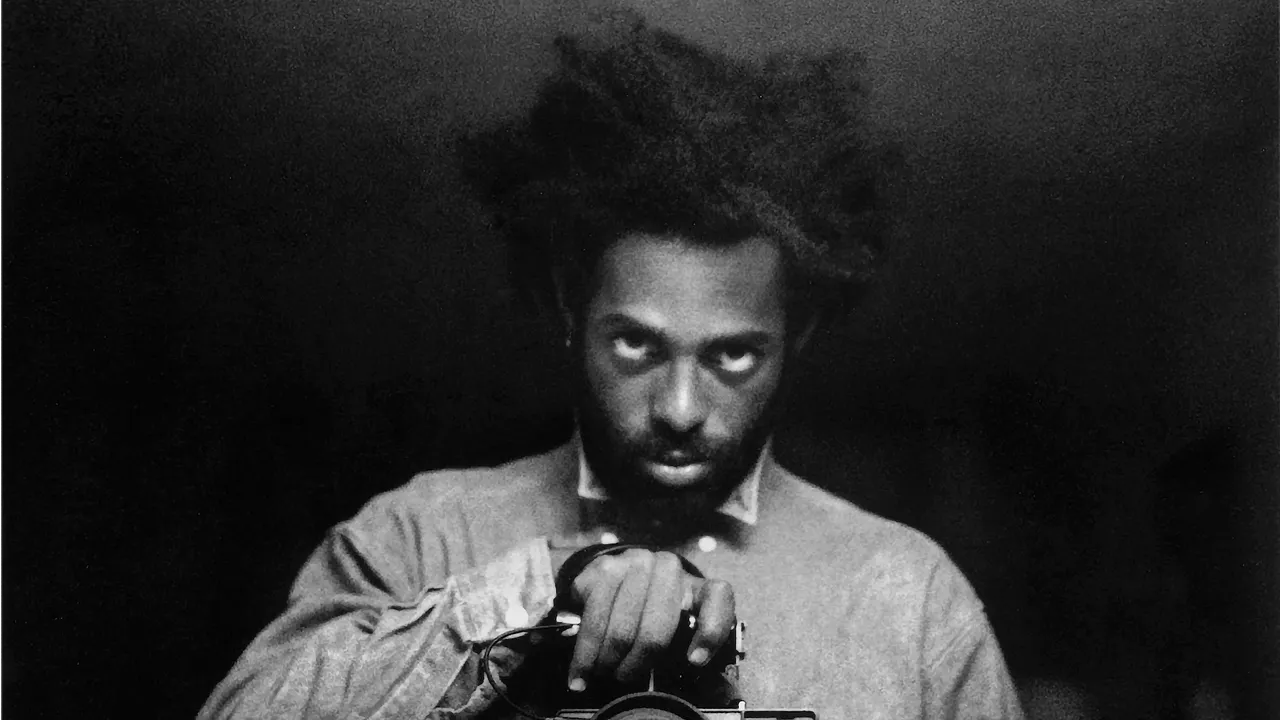
艺术界:在纽约新博物馆举办的“我是托尼”回顾展中,这位艺术家将他对过去的重新混音推向了极致。
The Art World In “I Am Tony,” a retrospective at the New Museum, the artist takes his remixing of the past to its outer limits.
亚瑟·贾法究竟是一位守旧派艺术家,还是伪装成先锋派的人?这很难说。纽约新博物馆举办的这场重要回顾展“我是托尼”并未将他归入任何一方,但它确实让人开始思考,围绕其作品的盛赞是否阻碍了人们对其中某些较为保守倾向的反思。贾法最著名的作品《爱即讯息,讯息即死亡》(2016年)被评选为21世纪最佳作品,该作品将找来的影像片段排列成一种非叙事性的蒙太奇——这是纪录片和商业媒体中常见的技巧,至少自布鲁斯·康纳的《一部电影》(1958年)以来,也一直是艺术界的主流手法。
Is Arthur Jafa a rearguard artist or an avant-garde one in disguise? It’s hard to say. “I Am Tony,” a major retrospective at the New Museum, doesn’t frame him one way or the other, but it does make you wonder about the moat of praise around his work, and whether it has discouraged reflection on some of his more conservative tendencies. Jafa’s most famous piece, “Love Is the Message, the Message Is Death” (2016), selected by as the best work of the twenty-first century, arranges clips of found footage into a non-narrative montage—a common technique in documentary film and commercial media, and a mainstay of the art world since at least Bruce Conner’s “A Movie” (1958)—and the exhibition has lots of pieces that read as reheated Pop-type gestures, such as a big cutout of the Hulk (or, rather, an off-brand version that Jafa calls LeRage) and retooled press photos of Jimi Hendrix and Justin Bieber.
展览中还有许多作品看起来像是重新翻炒的波普艺术式手法,例如一个巨大的绿巨人剪影(或者更确切地说,是贾法称之为“LeRage”的仿制品),以及对吉米·亨德里克斯和贾斯汀·比伯新闻照片的重新改造。然而,贾法似乎从未真正对创作“新”艺术本身感兴趣。他的作品更侧重于让过去震撼地重获新生——不是通过讽刺或引号,而是像灾难现场的一名急救员一样。
But Jafa has never seemed interested in making new art, per se. His work is more about shocking the past back to life—not with irony or quotation marks but like a medic in a disaster zone.
贾法于1960年出生于密西西比州图佩洛,主要成长于三角洲地区的克拉克斯代尔。他童年时,父母的家曾被克卢克士兄弟会纵火焚烧。他上一年级时,学校正式实现种族融合,但克拉克斯代尔仍顽固地维持着事实上的种族隔离。十岁时,贾法在镇上白人区的剧院观看了斯坦利·库布里克执导的《2001:太空漫游》。尽管当时他并不理解这部电影的内容,但它却改变了他的一生。
Jafa was born in Tupelo, Mississippi, in 1960, and raised mainly in Clarksdale, in the Delta. When he was a child, his parents’ house was burned down by the Ku Klux Klan. His school formally integrated when he was in first grade, but Clarksdale clung fiercely to de-facto segregation. At ten, Jafa saw Stanley Kubrick’s “2001: A Space Odyssey” in a theatre on the white side of town, and, even though he didn’t understand what the movie was about, it changed his life.
贾法表示,他至今仍在追寻那种与之相媲美的艺术体验——一种能够“同时令人疏离又令人心醉”的体验。正如贾法所说,猫贼可以采样或偷窃,但这并不使他成为优秀的艺术家。如果说贾法的标志性手法是挪用,那么他最推崇的典范则是DJ:将不同的歌曲融合成混音,在和谐与不和谐之间拿捏恰到好处的平衡,从而创造出引人入胜的效果。
Jafa says he’s still chasing an art experience comparable to that one, something that can “simultaneously alienate and ravish.”A cat burglar can sample or steal, as Jafa has said, but it doesn’t make him a good artist. If Jafa’s signature move is appropriation, then his preferred model is the d.j.: someone who channels different songs into a mix with just enough harmony and dissonance to be interesting.
除了受到凯迪·诺兰德和理查德·普林斯等“图像一代”艺术家的影响外,他还将自己的创作方法与他所称的“奴隶船风格”黑人美学相联系——这一风格致敬了“中程航行”时期,当时不同语言和文化的人们被暴力地从家园连根拔起,强行塞进船只的货舱中。正是这种剥离与重新语境化的过程,被贾法视为伟大黑人艺术和音乐所经历的痛苦根源。
In addition to the influence of Pictures Generation artists, such as Cady Noland and Richard Prince, he links his method to what he has called the “slave-ship style” of Black aesthetics—a nod to the Middle Passage, which saw people with different languages and cultures violently wrenched from their homes and crammed into the holds of ships. It’s that process of removal and recontextualization which Jafa identifies as the tortured root of great Black art and music.