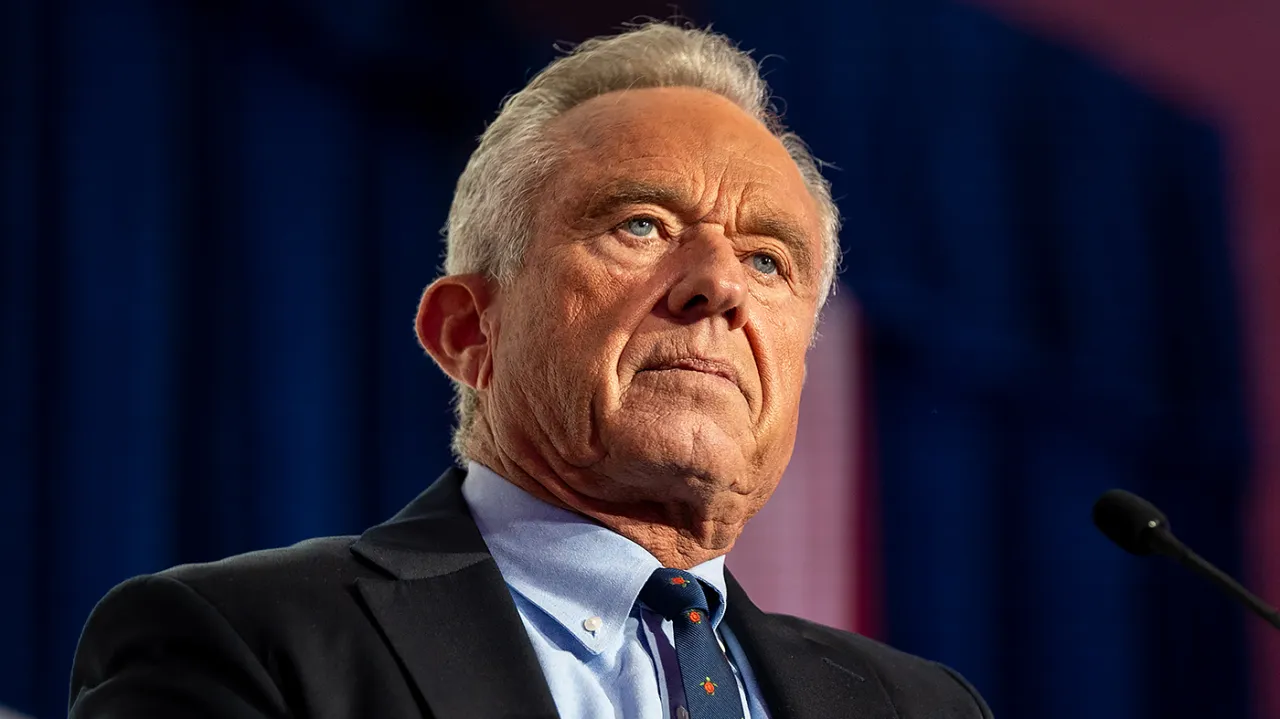
参议员安格斯·金(缅因州)和16名参议院民主党人要求卫生与公众服务部部长罗伯特·F.小肯尼迪谈到了他最近对一个有影响力的专家小组的改革,该专家小组决定保险公司必须覆盖哪些预防服务。在周一发给卫生与公众服务部(HHS)并首先与希尔分享的一封信中,参议员批评了美国预防服务工作组的变化,并呼吁肯尼迪确保该小组在其建议中保持独立和科学。
Sen. Angus King (I-Maine) and a group of 16 Senate Democrats are demanding answers from Health and Human Services Secretary Robert F. Kennedy Jr about his recent overhaul of an influential panel of experts who determine which preventive services insurers must cover. In a letter sent to the Department of Health and Human Services (HHS) on Monday and shared first with The Hill, the senators criticized changes to the U.S. Preventive Services Task Force and called on Kennedy to ensure the panel remains independent and science-focused in its recommendations.
他们要求在10月15日之前对肯尼迪更新的理由做出回应,包括取消特别工作组的领导和缩短选择新成员的时间。上个月,在阻止该小组的工作一年多后,美国卫生与公众服务部负责人任命了八名新成员加入该工作组,这引发了人们的担忧,即他打算对这个历史上独立的工作组进行意识形态上的旋转。包括主席在内的一些新小组成员批评了对未成年人的性别肯定护理。
They asked for a response by Oct. 15 to questions about Kennedy’s justification for the updates, including removing the task force’s leadership and shortening the time to select new members. Last month, the HHS chief appointed eight new members to the task force after more than a year of blocking the panel’s work, raising concerns that he intends to put an ideological spin on the historically independent task force. Some of the new panelists, including the chair, have criticized gender-affirming care for minors.
其他人则仔细审查了COVID-19疫苗,其他人则是医生专家,而不是通常在该小组任职的初级保健医生。特朗普政府之前的八名成员仍留在特别工作组中。过去,工作组通常会召集专家就与其专业知识相关的讨论进行咨询,但传统上它不欢迎非初级保健医生加入该小组,以避免与其医疗专业相关的潜在利益冲突。议员们写道:“鉴于许多新成员的背景,我们对特别工作组提出独立、基于证据的建议的能力表示强烈担忧。”
Others have scrutinized COVID-19 vaccines, and others are physician specialists, as opposed to primary care doctors who have typically served on the panel. Eight members predating the Trump administration remain on the task force. In the past, the task force typically called in specialists to consult on discussions relevant to their expertise, but it did not traditionally welcome nonprimary care doctors to join the panel to avoid potential conflicts of interest tied to their medical specialty. “Given the background of many of the new members, we have strong concerns about the Task Force’s ability to make independent, evidence-based recommendations,” the lawmakers wrote.
“截至今天撰写本文时,利益冲突披露页面-历史上公布了个别成员的披露-是贫瘠和不活跃的,这让我们对这些新成员的独立性感到严重关切,”参议员继续说。他们还对甄选过程的速度和缺乏透明度表示关切。填补空缺席位的过程始于4月,当时联邦政府发出通知,要求在5月的最后期限内提名。工作队主席和副主席通常会参与筛选和审查潜在新成员的公开过程。
“As of writing today, the Conflict of Interest disclosures page – where individual Members’ disclosures were historically published — is barren and inactive, which gives us serious concern regarding the independence of these new members,” the senators continued. They also expressed concern over the speed and lack of transparency in the selection process. The process to fill the open seats began in April, when a Federal notice solicited nominations with a May deadline. The task force chair and vice chair would typically be involved in a public process of screening and vetting potential new members.
但肯尼迪在五月份解雇了这些领导人,在没有他们领导的情况下,医疗保健研究和质量机构(AHRQ)主任罗杰·克莱因(Roger Klein)--一位政治任命者--一直在领导这些工作。自2025年最高法院的一项裁决认定卫生与公众服务部部长有权单方面任命和罢免特别工作组成员并推翻他们的决定以来,该小组的工作一直陷入停滞。
But Kennedy fired the leaders in May, and without their leadership, Agency for Healthcare Research and Quality (AHRQ) Director Roger Klein — a political appointee — has been heading the efforts. The panel’s work has stalled since a 2025 Supreme Court decision found the HHS secretary has the authority to unilaterally appoint and remove task force members and overrule their decisions.
他已四次阻止该组织开会,最近一次是在7月。该小组审查了大量科学证据,就癌症筛查、艾滋病毒预防药物等服务提出建议。它使用分级标准提出建议,《平价医疗法案》下的计划要求保险公司以A或B的“等级”覆盖特别工作组建议的服务,而患者无需承担任何费用。
He has prevented it from meeting four times, most recently in July. The panel reviews reams of scientific evidence to make recommendations on services such as cancer screenings, HIV prevention medications and more. It makes its recommendations using a grading scale, and plans under the Affordable Care Act require insurers to cover services the task force recommends with a “grade” of A or B at no cost to patients.