感谢您发表关于乘客制服恐怖分子副驾驶、使飞行员、机组人员和乘客免于几乎必然死亡的社论(《乘客挫败劫机者》,10月1日)。该社论提到了流行的以色列民谣《生命是一座窄桥》——歌词最初由现代哈西迪派的创始人布雷斯洛的拉比纳赫曼撰写,后被正统派拉比巴鲁克·海特谱曲采用。然而,正如原文所写,“生命是一座窄桥,重要的是不要让自己害怕”,这与“不要害怕”有着重要但微妙的区别。恐惧是一种自然的人类情绪,但“不要让自己害怕”这一行动源于一种个人能动感。
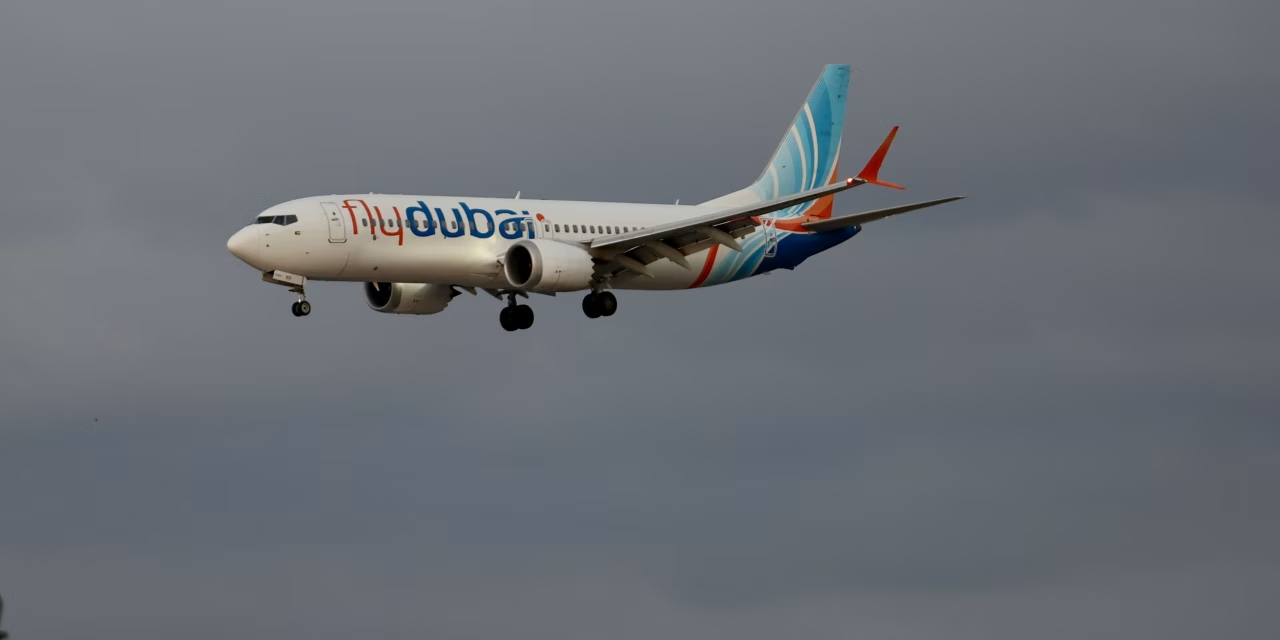
Thank you for your editorial on the passengers who subdued the terrorist co-pilot and saved the pilot, crew and passengers from almost certain death (“Passengers Defeat a Would-Be Hijacker,” Oct. 1). The editorial referred to the popular Israeli folk song, “Life is a Narrow Bridge”—words initially written by Rabbi Nachman of Breslov, the father of modern Chasidism, and adopted as lyrics to music composed by Orthodox Rabbi Baruch Chait. But, as originally written, “Life is a narrow bridge and the important thing, do not make oneself afraid,” reflects an important but subtle difference to “do not be afraid.”Fright is a natural human emotion, but the action to not make oneself afraid derives from a sense of personal agency.
从远处看,飞机安全降落似乎是一个奇迹,这与近期赎罪日礼拜中的一个主题有关,即上帝决定谁将被封入来年的“生命之书”。但几位乘客、机组人员和非执勤飞行员克服了恐惧,发挥了他们的勇气和责任感,帮助实现了这一奇迹。
From afar, the fact that the plane landed safely seems like a miracle and relates to a theme from the recent Yom Kippur service that God makes the decision whom to seal in the “Book of Life” for the coming year. But a few passengers, crew and off-duty pilots who landed the plane safely overcame their fear and exercised their courage and sense of duty, and helped to make this miracle happen.