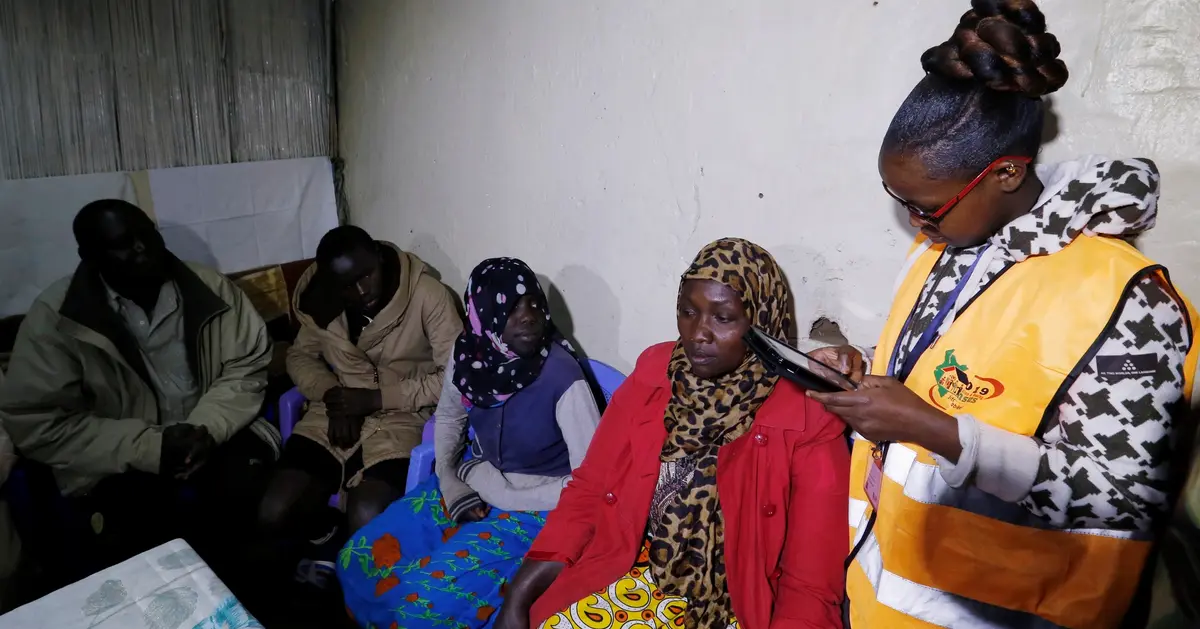
亚历克西斯的观点“没有数据的政策就像猜测。”加纳议员阿尔伯特·尼亚科泰·泰特(Albert Nyakotey Tetteh)上个月在议会上表示,他正在为在基础设施发展中更好地使用公共部门数据提出理由。但他的观点在更广泛的范围内听起来是正确的:几十年来,缺乏数据阻碍了非洲各国的经济发展。
Alexis’s view“Policy without data is like guesswork.”Ghanaian lawmaker Albert Nyakotey Tetteh was making the case for better use of public sector data in infrastructure development when he said that in parliament last month. But his point rings true more broadly: For decades, a lack of data has held back economic development in countries across Africa.
遭受供应链中断、能源冲击和西方援助削减的国家正在努力了解他们面临的挑战的规模,以重新调整政策。收集相关数据是了解从地下矿藏的价值到养老基金持有的资金等一切内容的重要第一步。作为一个很好的例子,非洲疾病控制与预防中心总干事最近告诉我,一个国家的卫生部审计显示,一半的受薪卫生人员是“幽灵工作者”。
Countries reeling from supply chain disruptions, energy shocks, and Western aid cuts are trying to comprehend the scale of the challenges they face in order to reset policies.
然而,预算的缩减带来了一个重大挑战。5月,南非当局表示,自2019年以来,南非统计局(负责收集和发布官方统计数据的政府部门)的平均年度预算拨款实际下降了23%。连锁反应是资源紧缩导致调查被削减。与此同时,人们对其数据的可信度提出了质疑。根据统计部门自己的后续调查,南非2022年人口普查遗漏了近三分之一的人口。这一层面的不匹配扭曲了公共资金的分配方式。
Gathering relevant data is a vital first step to understanding everything from the value of underground mineral deposits to the money held in pension funds. As a case in point, the director-general of the Africa Centres for Disease Control and Prevention recently told me a health ministry audit in one country revealed half of salaried health staff were “ghost workers However, shrinking budgets throw up a major challenge. In May, South African authorities said the average annual budget allocation for Statistics South Africa — the government department responsible for gathering and publishing official statistics — had fallen by 23% in real terms since 2019 The knock-on effect is a resource squeeze that has led to surveys being cut. At the same time, questions have been raised about the credibility of its figures. South Africa’s 2022 census missed nearly a third of the population according to the statistics department’s own follow-up survey. A mismatch on that level distorts how public money is allocated.
与大多数其他非洲国家相比,非洲大陆最大的经济体的统计分析全面,但它并不是唯一面临挑战的经济体。非洲统计局面临着越来越大的资金压力,自华盛顿去年结束对人口调查的资助以来,捐助者资助的调查被取消或推迟,政府利用人口调查的结果来整理公共卫生统计数据。
The continent’s biggest economy, whose statistical analysis is comprehensive compared with most other African nations, is not alone in its challenges. African statistics offices are under mounting funding pressure, with donor-funded surveys cancelled or delayed since Washington ended funding last year for population surveys whose findings were used by governments to collate public health statistics.
但还是有希望的。人工智能可以通过提高统计分析的效率和准确性来提供帮助。英国统计局最近表示,在“财政紧缩”的情况下,它正在转向人工智能来削减成本和改善数据。如果非洲官员使用这项技术来帮助消除政策制定中的猜测,那么影响将更加严重。
But there is hope. Artificial intelligence can help by improving the efficiency and accuracy of statistical analysis. The UK’s statistics office recently said it is turning to AI to cut costs and improve data amid “squeezed finances” The impact would be felt even more acutely if African officials use this technology to help take the guesswork out of policymaking.
值得注意的是,一个以色列科学家团队今年启动了一个移动研究实验室,该实验室将收集东非和南部非洲的数据,试图填补全球气候科学中的巨大数据空白。
Notable An Israeli team of scientists launched a mobile research lab this year that will collect data across east and southern Africa in an attempt to fill huge data gaps in global climate science.