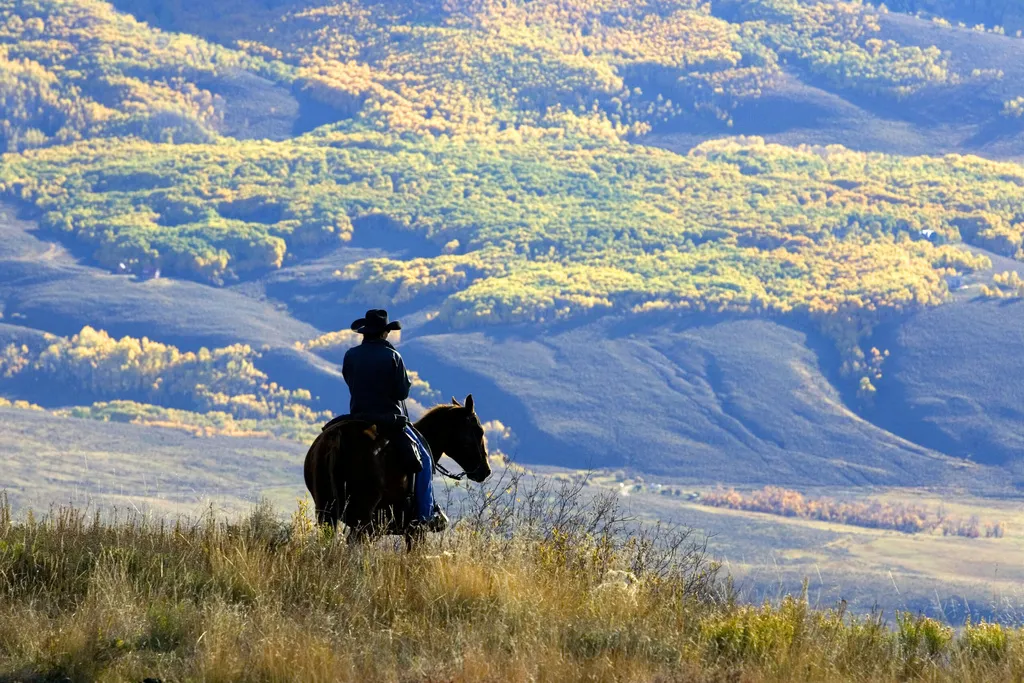
对大多数美国人来说,九月标志着夏天的结束和学年的开始。但对我这样的猎人而言,九月也意味着麋鹿狩猎季的开始——这是每年我们赖以补充冷冻柜的短短几个月。作为一名热心的户外运动爱好者和环保主义者,几十年来我一直捕猎野生动物。在勘察狩猎地点时,我会寻找人迹罕至的地方。麋鹿和其他野生动物需要食物、水源和安全的庇护所——而这些在道路附近都找不到。
For most Americans, September marks the end of summer and the beginning of the school year. But for hunters like me, it also marks the beginning of elk season — the few months that we rely on each year to help fill our freezers. As an avid sportsman and conservationist, I have been harvesting wild game for decades. When I am scouting my hunt, I look for the places where people aren't. Elk and other wildlife need food, water and security cover — none of which exist near roads.
这正是美国林务局制定“无道路规则”的原因之一:保护我们最后几片尚未被开发的国有森林。这些区域不仅对猎人和垂钓者至关重要,也是野生动物栖息地、清洁饮用水和户外休闲活动的重要保障。然而,特朗普政府正试图废除“无道路规则”,却未给予公众真正参与讨论的机会。这应该让所有关心我国公共土地的人都感到担忧。
That is one reason the Forest Service created the roadless rule: to preserve some of our last remaining stretches of national forest from development. These areas are vital not just for hunters and anglers but also for wildlife habitat, clean drinking water and outdoor recreation. Yet the Trump administration is working to repeal the roadless rule without giving the public a real opportunity to weigh in on the issue. That should concern everyone who cares about our public lands.
我们的公共土地正是杰斐逊式民主的具象体现:公共土地广泛属于人民,由人民管理并惠及所有人,让我们每个人都能对构成我们国家的这片土地拥有发言权。而在政府就公共土地问题召开公众意见会议时,这一点体现得尤为明显。我参加过这些会议。当“无道路规则”还只是一个提案时,我曾在新墨西哥州一个座无虚席的听证会上聆听公众的意见。
Our public lands are the physical manifestation of Jeffersonian democracy: The widespread ownership of public lands, managed by and distributed for all, giving each of us a say over the very land that makes up our country. And nowhere is that clearer than at a public comment meeting on a government public lands proposal. I’ve been to these meetings. I sat in a packed public hearing room in New Mexico when the roadless rule was just a proposal and listened to the public comment.
当时,95%的人支持这一规则。到去年,这一比例已上升至99%。结论非常明确:“无道路规则”获得了压倒性的支持,包括户外运动爱好者、垂钓者、露营者和休闲游客在内。它之所以如此受欢迎,以至于政府知道,如果就废除该规则征求公众意见,最终必然会失败。因此,政府干脆拒绝举行任何公众会议。这不仅是一种侮辱,更是不民主的体现,也表明政府未能倾听这些土地真正属于的人民的声音。
Back then, 95 percent of people agreed with the roadless rule. By last year, that number had grown to 99 percent. The bottom line is this: The roadless rule is overwhelmingly popular, including with sportsmen, anglers, campers and recreators. It is so popular that the administration knows it will lose if it consults the public on dismantling it. Thus, the administration is simply refusing to hold public meetings at all. That is not only insulting — it is undemocratic. And it is a failure to listen to the people these lands belong to.
现在,政府会试图告诉你们,废除“无道路规则”是为了你们自己的利益。但我在此要告诉你们,他们说的不是实话。政府会声称,废除“无道路规则”能减少野火。但证据却呈现出完全不同的图景。最近一项研究发现,80%的人为引发的火灾都发生在距离道路半英里以内的区域。因此,无道路区域实际上降低了火灾风险,而非增加了风险。
Now, the administration will try to tell you that repealing the roadless rule is for your own good. I am here to say that it is not telling you the truth. The administration will tell you that repealing the roadless rule will reduce wildfires. The evidence tells a completely different story. A recent study found that 80 percent of human-caused fires happen within a half mile of a road. Roadless areas thus reduce fire risk rather than increasing it.
政府还会说,废除“无道路规则”能修建我们所需、有助于经济发展的道路。但事实是,我们已经拥有足够多的道路。美国林务局现有的道路总长度已达37.1万英里——几乎是整个美国州际高速公路系统的八倍。而这些森林道路的维护欠账高达61亿美元。当你已经陷入如此深的困境时,首先要做的是停止继续挖掘。美国仅有不到5%的土地属于无道路区域或荒野。
The administration will tell you that repealing the roadless rule will create the roads we need to improve our economy. The truth is, we have enough roads. The U.S. Forest Service has 371,000 miles of roads already — roughly eight times more than the entire U.S. interstate highway system. And the maintenance backlog for these forest roads is $6.1 billion. When you are in a hole that deep, the first thing to do is to stop digging. Less than 5 percent of the U.S. is roadless or wilderness.
与此同时,休闲产业——这一产业往往依赖无道路区域和公共土地——创造了高达1.3万亿美元的产值,几乎占美国GDP的2.4%。而狩猎业带来的工资和收入达335亿美元,总经济产值超过1070亿美元——这比121个国家的GDP还要高。我们的公共土地已经创造了巨大的经济活动。我们应当思考如何保护这些地区,而不是如何在其中修建更多道路。
Meanwhile, the recreation economy — which often relies on roadless areas and public lands — represents a whopping $1.3 trillion in economic output, almost 2.4 percent of the entire U.S. GDP. And hunting generates $33.5 billion in wages and income, with a total economic output of over $107 billion. That is greater than the GDP of 121 countries. Our public lands are already driving enormous economic activity. We should be asking how to preserve these places — not how to put more roads through them.
作为一位多年来在国会中为此事奋斗的人,我也深知这场斗争的意义远不止“无道路规则”本身。去年七月,当政府威胁要出售我们一半的公共土地时,民众的抗议声浪如此强烈,以至于他们不得不立刻放弃这一计划。如今,我们又看到政府试图逐步削弱保护公共土地的措施,使其继续掌握在公众手中——这一次,他们通过废除“无道路规则”并限制公众表达意见的权利来实现这一目的。这些无道路区域是我们最珍贵的地方之一。
As someone who has been fighting this fight in Congress for years, I also know this fight is about more than the roadless rule. Last July, when the administration threatened to sell off half of our public lands, the uproar was so loud that they had to turn tail and run. Now we’re seeing another attempt to chip away at public lands protections that keep our public lands in public hands — this time by repealing the roadless rule and limiting the public’s ability to make their voices heard. These roadless areas are some of our most special places.
从佩科斯河富含鳟鱼的上游源头,到布希尔地区大角羊的栖息地,再到卡森国家森林中的杜松和庞德洛松林:新墨西哥州的独特身份正体现在这些无道路区域之中。无道路区域正是我们狩猎、垂钓并将传统传承给下一代的荒野之地。正因如此,这场斗争才至关重要。一个口头上振振有词的政府,却极其害怕直面其决策所影响的人们和地区——因为他们知道,必然会遭到反对。
From the trout-filled headwaters of the Pecos River, to the bighorn habitat of the Bootheel, to the junipers and ponderosa pine forests of the Carson National Forest: New Mexico’s identity is in roadless areas. Roadless areas are the backcountry places where we hunt, fish and pass our traditions on to the next generation. That’s why this fight matters. For an administration that talks a big game, they are awfully afraid to go out to the people and places their decisions impact — because they know there will be opposition.
我经常说,我们的公共土地正是锻造美国身份认同的砧板。如果没有“无道路规则”,许多这些地方将无法存续。因此,我对政府只有一个简单的请求:召开公开会议,倾听那些在这些地区狩猎、垂钓和休闲的人们的心声。在做出可能永久改变我们最珍视土地之一的决定之前,请让他们真正拥有发言权。同时,我也想对公众说:请让你们的呼声被听到。
I often say that our public lands are the anvil on which our American identity has been forged. Without the roadless rule, many of those places won't survive. So, to the administration, I have a simple request: Hold public meetings. Listen to the people who hunt, fish and recreate in these areas. Let them have a real say before you make a decision that could permanently change some of our most treasured lands. And to the public: Make your voices heard.
我们的公共土地属于我们所有人——我敦促大家积极发声,守护这片土地。如需向林业局提交意见,可通过该网站在10月6日前完成。马丁·海因里希是新墨西哥州的资深美国参议员,也是能源与自然资源委员会的民主党资深成员。他是一位热心的户外运动爱好者和终身的环保主义者。
Our public lands are ours — and I urge you to speak up to keep it that way. To submit a comment to the Forest Service, you can use this website until Oct. 6. Martin Heinrich is the senior U.S. senator from New Mexico and the ranking Democratic member of the Energy and Natural Resources Committee. He is an avid sportsman and a lifelong conservationist.