对于数百万儿童来说,上学的一天是从柴油动力的公共汽车上开始的,司机在方向盘后面。现在,学区正在努力负担这两种费用。
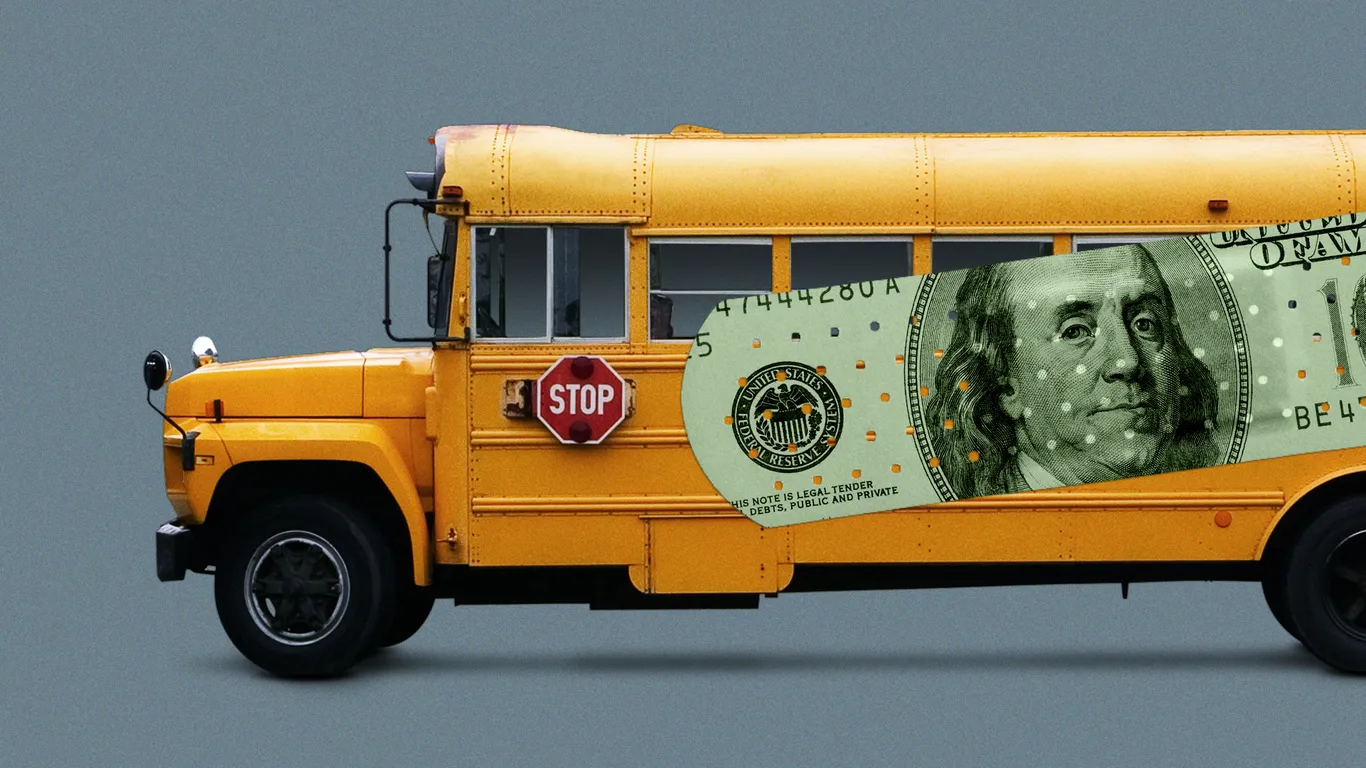
For millions of children, the school day starts on a diesel-powered bus with a driver behind the wheel. Now, school districts are struggling to afford both.
为什么重要:伊朗战争正在推高柴油成本,就在各地区正在努力应对长达一年的巴士司机短缺之际--这是一个双重打击,可能会导致错过早餐、上课迟到和学校活动减少。
Why it matters: The Iran War is sending diesel costs higher just as districts are grappling with a yearslong bus driver shortage — a double whammy that can ripple into missed breakfasts, late classes and fewer school activities.
他们在说什么:“对于一个学区来说,我们是一种非教学费用,”全国学生交通协会的彼得·曼内拉(Peter Mannella)告诉Axios。
What they're saying: "We're a non-instructional expense for a district," Peter Mannella of the National Association for Pupil Transportation tells Axios.
他说:“人们的倾向总是让我们看看可以削减哪些交通成本,因为我们不想影响学校图书馆。”他补充说,学区宁愿保护教师、助手和特殊教育的支出。大局:各地区正在整合路线、减少出行并提高车队效率。
"The inclination is always going to be let's see what we can cut out of transportation costs because we don't want to affect the school library," he says, adding that districts would rather protect spending on teachers, aides, and special education. The big picture: Districts are consolidating routes, cutting trips and squeezing more efficiency out of their fleets.
5月份对188名学校官员进行的一项调查发现,40%的人调整了路线,27%执行了反空转规则,25%削减了路线,20%限制了可选出行,14%改变了燃油购买,8%让学生步行更远。
A May survey of 188 school officials found 40% had adjusted routes, 27% enforced anti-idling rules, 25% cut routes, 20% limited optional trips, 14% changed fuel purchasing and 8% made students walk farther to stops.
曼内拉说,这些变化导致越来越多的家长开车送学生去学校活动,或者将接送点搬到离学生家更远的地方。“它开始影响孩子和家庭,你知道你宁愿不这样做,”他说。
Mannella said those changes result in more parents driving students to school activities or districts moving pickup points farther from students' homes. "It starts to affect kids and families, which you know you'd rather not do," he said.
一个很好的例子:交通总监马克·英格拉姆(Mark Ingram)告诉Axios,丹佛郊外的樱桃溪公立学校缺少约40名司机。
Case in point: Cherry Creek Public Schools outside Denver is short about 40 drivers, transportation director Mark Ingram tells Axios.
“这是一件全力以赴的事情,”他说。“每天早上和下午,我们都会考虑一些路线迟到10到15分钟……我们只是没有人来覆盖这些路线。他说:“对于一些学生来说,这可能意味着错过学校提供的早餐或第一节课迟到。
"It's an all hands on deck thing," he said. "Every morning and afternoon, we're looking at running some routes 10 to 15 minutes late … we just don't have the people to cover the routes." For some students, that can mean missing the school-provided breakfast or arriving late to first period, he said.
英格拉姆学区约有611辆车辆,其中包括320辆黄色巴士,以及为有特殊需要的学生和其他学区运营提供的车辆。该地区今年的燃料预算为150万美元,增加了30万美元。
Ingram's district has about 611 vehicles, including 320 yellow buses, plus vehicles for students with special needs and other district operations. The district budgeted $1.5 million for fuel this year, up $300,000.
目前预计将花费约200万至230万美元。英格拉姆表示,该地区没有削减服务,但正在节俭。放大:司机短缺不仅仅是工资问题。
It now expects to spend roughly $2 million to $2.3 million. Ingram said the district hasn't cut services but is being frugal. Zoom in: The driver shortage isn't just about wages.
尼克·马提尼(Nick Martini)曾是一名校车司机,现在是明尼阿波利斯地区一家校车承包商的高管。他说,司机必须同时管理儿童和交通,同时满足广泛的培训、许可和安全要求。
Nick Martini, a former school bus driver who is now an executive at a Minneapolis-area school bus contractor, said drivers must simultaneously manage children and traffic while meeting extensive training, licensing and safety requirements.
分班制可以让司机被绑上10到12个小时,而只支付其中的一小部分时间,地区与送货和物流公司竞争同样的工人与商业驾驶执照。字里行间:农村地区的逃生路线更少。
Split shifts can keep drivers tied up for 10 to 12 hours while paying for only a fraction of that time, and districts compete with delivery and logistics companies for the same workers with commercial-driver's licenses. Between the lines: Rural districts have even fewer escape routes.
虽然城市和郊区的孩子有时可以步行上学,但农村孩子可能住在离学校几英里的地方,需要更长的公交线路,而地区则难以与私营部门的司机工资或雇用第三方运营商相匹配。
Whereas kids in urban and suburban areas can sometimes walk to school, rural children may live miles from school, requiring longer bus routes, while districts struggle to match private-sector driver pay or hire third-party operators.
特殊需要的交通也可能同样昂贵,因为限制路线之间的站点之间可能有很长的间隙。
Special-needs transportation can be similarly expensive because curb-to-curb routes may have long gaps between stops.
闪回:国际学校商业官员协会的埃勒卡·约斯特(Elleka Yost)告诉Axios,拜登政府提供联邦资金来实现校车车队的电动化,但其中一些项目后来已经放缓或结束。
Flashback: The Biden administration offered federal funding to electrify school bus fleets, but some of those programs have since slowed or ended, Association of School Business Officials International's Elleka Yost tells Axios.
电动公交车并不是任何地方都能立即解决的问题。约斯特指出,狭窄或弯曲的道路,小桥,极端温度和缺乏训练有素的技术人员。底线是:地区将不断适应,曼内拉说。
Electric buses aren't an immediate fix everywhere. Yost pointed to narrow or winding roads, small bridges, extreme temperatures and a lack of trained technicians. The bottom line: Districts will keep adapting, Mannella said.
“我们天生就是问题解决者,”他说。“交通太重要了,不能让我们说,”好吧,我们再也不能这样做了。““我们会找到办法的。"
"We are inherently problem solvers," he said. "Transportation is too important to just let us say, 'Well, we're not going to be able to do that anymore.' We'll find a way."