世界花了几十年的时间来讨论如何摆脱化石燃料。三年前,在迪拜举行的COP 28上,195个国家一致达成了一项前所未有的协议。从那时起,我们看到了等待的成本和采取行动的机会。
The world has spent decades debating how to transition away from fossil fuels. Three years ago, at COP28 in Dubai, 195 countries reached, by consensus, an unprecedented agreement to do so. Since then, we have seen both the cost of waiting and the opportunity to act.
从政府间气候变化专门委员会(IPCC)的警告到联合国环境规划署最近确认世界将超过防止全球变暖一些最严重危害所需的限度,变革势在必行。极端天气事件正变得更加致命、频繁和激烈。
From Intergovernmental Panel on Climate Change (IPCC) warnings to the recent confirmation by the United Nations Environment Programme that the world is set to overshoot limits needed to prevent some of the worst of global warming's harms, change is imperative. Extreme weather events are becoming more lethal, frequent, and intense.
我们非常清楚,化石燃料依赖是一种负担,威胁着全球的能源安全和经济发展。
It is crystal clear to us that fossil fuel dependence is a liability, threatening energy security and economic development across the planet.
然而,过去的一年也取得了重大进展,表明摆脱化石燃料的转变正在成为现实。在各国领导人齐聚纽约参加气候周和联合国大会后,我们必须在COP 31中吸取一些教训,以及加快行动的理由。
Yet the past year has also brought significant progress, showing how the transition away from fossil fuels is becoming a reality. After leaders gathered in New York for Climate Week and the UN General Assembly, there are several lessons we must carry into COP31—and reasons to accelerate action.
强调实施在COP 30闭幕全体会议上,我们宣布了到2050年摆脱化石燃料的路线图。它审查了社会面临的障碍、所需的金融和政策以及可供选择的不同途径,认识到各国从截然不同的点开始这一转型。
An emphasis on implementation At COP30’s closing plenary, we announced a roadmap to transition away from fossil fuels by 2050. It examines the barriers societies face, the finance and policies they need, and the different pathways available to them, recognizing that countries start this transition from very different points.
我们的议程也进行了重组,以加速实施《巴黎协定》,让世界团结起来,共同解决方案。新的两级多边主义已经在酝酿中。一种速度取决于国家和共识。第二个不需要达成共识,重点是执行缔约方会议的决定。
Our agenda was also restructured to accelerate implementation of the Paris Agreement, uniting the world around solutions. A new two-tier multilateralism is already in motion. One speed is anchored in countries and consensus. The second, which does not require consensus, focuses on implementing the decisions of the COPs.
本着这种精神,COP 30刺激了全球气候行动议程下的联盟,例如组织哥伦比亚和荷兰召开的圣玛尔塔会议的联盟。随后的报告列出了国家规划、投资和国际合作的选择。
In that spirit, COP30 stimulated coalitions under the Global Climate Action Agenda, such as the one that organized the Santa Marta Conference, convened by Colombia and the Netherlands. The subsequent report set out options for national planning, investment, and international cooperation.
这些努力正在为我们超越石油、天然气和煤炭的未来奠定基础。现在的考验是它们是否帮助各国将承诺转化为行动。
These efforts are building the foundations for our future beyond oil, gas, and coal. The test now is whether they help countries turn commitments into action.
上个月,德国成为继法国和荷兰之后第三个发布放弃化石燃料国家路线图的国家,一个早期的答案出现了。在纽约举行的联合国大会上,环境部长卡斯滕·施奈德提出了到2045年逐步淘汰石油、煤炭和天然气的路线图,将化石燃料依赖定性为代价高昂的脆弱性。
An early answer came last month when Germany became the third country, after France and the Netherlands, to publish a national roadmap for transitioning away from fossil fuels. At the UN General Assembly in New York, Environment Minister Carsten Schneider presented the roadmap to phase out oil, coal and gas by 2045, framing fossil fuel dependence as a costly vulnerability.
我们对化石燃料的依赖暴露无遗当针对伊朗的战争扰乱了霍尔木兹海峡的航运时,其后果远远超出了该地区。布伦特原油价格升至每桶100美元以上,给全球燃料成本带来压力,挤压了政府和家庭预算。自危机爆发以来,石油和天然气价格上涨给进口商每天额外造成18.3亿美元的损失,但没有带来额外的好处。
Our fossil fuel dependence laid bare When the war against Iran disrupted shipping through the Strait of Hormuz, the consequences reached far beyond the region. Brent crude prices rose above $100 a barrel, putting pressure on fuel costs worldwide, squeezing government and household budgets alike. Since the start of the crisis, inflated prices for oil and gas have cost an extra $1.83 billion per day to importers with no additional benefit.
西班牙和巴西表明这种脆弱性是可以减少的。截至4月下旬,一些欧洲国家的基准批发电价已上涨超过20%。在西班牙,可再生能源供应了近60%的电力,价格已经下跌。其对可再生能源的投资有助于缓解冲击,表明各国对其能源系统做出的选择如何保护它们免受化石燃料波动的影响。巴西是二十国集团能源结构中可再生能源比例最大的国家,价格的影响也远没有那么严重,因为大多数司机可以选择在全国范围内的加油站选择可持续乙醇而不是汽油。
Spain and Brazil show that this vulnerability can be reduced. By late April, benchmark wholesale electricity prices had risen more than 20% in some European countries. In Spain, where renewables supplied nearly 60% of electricity, prices had fallen. Its investment in renewable power helped cushion the shock, showing how the choices countries make about their energy systems can protect them from fossil fuel volatility. In Brazil, the country with the largest proportion of renewables in the energy mix in the G20, the impact of prices has also been far less severe, as most drivers have the option to choose sustainable ethanol instead of gasoline at pumps nationwide.
我们对化石燃料的过度依赖已变得不可避免、不可否认且不可持续。
Our overreliance on fossil fuels has become unavoidable, undeniable, and unsustainable.
可再生能源是世界上主要的电力来源迄今为止最明确的证据表明我们的电力系统已经达到了一个积极的临界点,当时全球能源智库Ember发布了一份年度审查报告,确认可再生能源在2025年超越煤炭成为世界上主要的电力来源。
Renewables are the world’s leading source of electricity The clearest evidence yet that we have reached a positive tipping point for our power systems arrived in April, when the global energy think tank, Ember, released an annual review confirming that renewables overtook coal as the world’s leading source of electricity in 2025.
可再生能源确实是我们这个时代的增长故事:为经济提供动力、创造就业机会和增强竞争力。建设丰富、负担得起的可再生能源及其网络的国家可以吸引电力时代的行业和投资。并大规模生产非化石燃料,以实现航空和海运等难以减少的行业脱碳。
Renewable energy truly is the growth story of our time: powering economies, creating jobs, and strengthening competitiveness. Countries that build abundant, affordable renewable power, and the networks to deliver it, can attract the industries and investment of the electric age. And produce at scale the non-fossil fuels to decarbonize hard-to-abate sectors such as air and maritime transport.
势头正在持续增强:自伊朗战争以来,东南亚国家发布的长期可再生能源和电气化政策是化石燃料政策的四倍。
Momentum is continuing to build: Southeast Asian countries have released four times more long-term renewable energy and electrification policies than fossil fuel policies since the Iran war.
根据联合国的数据,投资于可再生能源的每一美元所创造的就业机会是投资于化石燃料的每一美元所创造的就业机会的三倍,使这一转型成为改善生计和能源安全的机会。
According to the United Nations, every dollar invested in renewable energy creates up to three times as many jobs as a dollar invested in fossil fuels—making the transition an opportunity to build livelihoods as well as energy security.
未来的挑战2025年,全球新增的可再生电力容量比以往任何一年都多,但部署必须加快。为了满足这一全球当务之急,我们必须在未来四年内将电网上目前部署的可再生电力数量增加一倍。
The challenge ahead In 2025, the world added more renewable electricity capacity than in any previous year, but deployment must accelerate. To meet this global imperative, we must double the amount of renewable power currently deployed on our grids in the next four years.
我们还必须扩大能源、交通和工业电气化的规模,以加强能源安全、提高效率和增强竞争力。今年早些时候,我们发起了“立即电气化”活动来推进这一努力。即将上任的COP 31主席国还提议到2035年将电力在全球能源使用中的份额提高到35%。现在的挑战是将这种势头转化为人们可以看到的改善:城市街道上的电动公交车、家庭和工厂更清洁的供暖、为仍然没有电力的社区提供可靠的电力、在电气化具有挑战性的行业中可持续燃料取代化石燃料。
We must also scale the electrification of energy, transport and industry to strengthen energy security, improve efficiency and boost competitiveness. Earlier this year, we launched the Electrify Now campaign to advance this effort. The incoming COP31 Presidency has also proposed increasing electricity’s share of global energy use to 35% by 2035. The challenge now is to turn this momentum into improvements people can see: electric buses on city streets, cleaner heat for homes and factories, reliable electricity for communities still without it, sustainable fuels replacing fossil ones in sectors where electrification is challenging.
实现这些好处需要可再生能源以及更强大的电网、存储和能够协调其发展的机构。如果没有有效的规划,项目可能会等待数年才能连接,而可再生资源无法到达需要它们的人手中。
Delivering those benefits requires renewable energy as well as stronger grids, storage, and institutions able to coordinate their development. Without effective planning, projects can wait years for connections, and renewable resources fail to reach the people who need them.
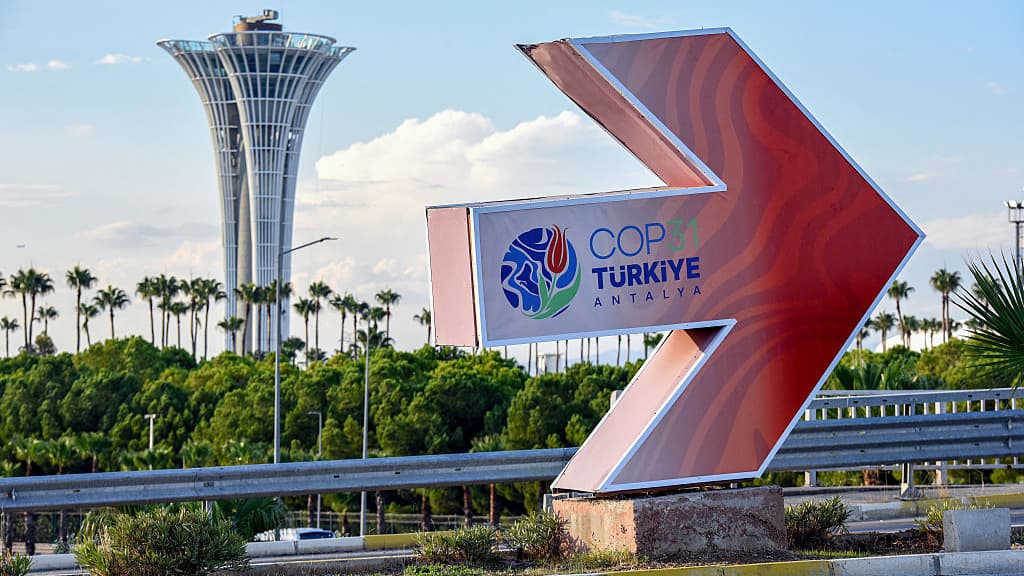
在土耳其安塔利亚举行的第31届缔约方会议上,我们将加强可信的计划或制定这些计划的承诺,以在更广泛的能源和经济战略中实现清洁电气化。这些计划必须反映国情,在与社会对话的基础上制定,并规定国家和国家以下各级政府以及企业和许多其他行为体将如何扩大基础设施和刺激投资。
At COP31 in Antalya, Turkey, we shall strengthen credible plans, or commitments to develop them, for clean electrification within wider energy and economic strategies. Those plans must reflect national circumstances, be built in dialogue with society, and set out how national and subnational governments, together with business and many other actors, will expand infrastructure and stimulate investment.
企业必须通过资本、技术和培训来匹配这些承诺。国际金融机构必须帮助面临高借贷成本的国家获得负担得起的融资。受转型影响的工人和社区需要支持才能分享转型带来的好处。
Business must match those commitments with capital, technology, and training. International financial institutions must help countries facing high borrowing costs secure affordable finance. Workers and communities affected by the transition need support to share in its benefits.
重要的是谈判大厅之外的变化:更安全、更便宜的能源、更好的生计以及更少地暴露在下一次化石燃料危机中。前面的任务是艰巨的,需要进行系统性的改革,但方向已经确定,工具也已掌握。
What matters is what changes beyond the negotiating halls: more secure, affordable energy, better livelihoods, and less exposure to the next fossil fuel crisis. The task ahead is vast and calls for systemic change, but the direction is set, and the tools are at hand.