东京--根据将于2027年4月启动的新移民计划,日本全国范围内的日语学校只能同时容纳7,500名左右的外国实习生,这引发了人们对一项旨在每年帮助15万名工人提高日语水平的计划的怀疑。
TOKYO -- Japan can accommodate only 7,500 or so foreign trainees at once at Japanese-language schools nationwide under a new immigration program set to launch in April 2027, raising doubts about a scheme intended to help 150,000 workers a year improve their Japanese while employed.
日经分析显示,截至6月,移民服务厅对全国日语学校和其他机构的调查数据已确定约有7,500名实习生。
As of June, survey data from the Immigration Services Agency for Japanese-language schools and other institutions nationwide had identified capacity for roughly 7,500 trainees, a Nikkei analysis shows.
表示至少可容纳100人的回复被计为100。该调查不包括不隶属于日语学校的讲师,一些学校没有回应。
Responses indicating capacity for at least 100 people were counted as 100. The survey did not include instructors who are not affiliated with Japanese-language schools, and some schools did not respond.
距离这项名为“就业促进技能发展”的新计划开始还有不到六个月的时间,该机构正在急于确定实际能力,同时采取其他措施扩大培训资源。
With less than six months remaining before the start of the new program, called Employment for Skill Development, the agency is rushing to determine actual capacity while taking other steps to expand training resources.
新的工作签证途径是为了回应国内外对日本技术实习生培训计划的批评而设立的,该计划于1993年启动,官方目标是让参与者能够在日本获得技能,支持回国后的经济发展。
The new work visa pathway was created in response to domestic and international criticism of Japan's Technical Intern Training Program, which was launched in 1993 with an official goal of enabling participants to acquire skills in Japan that can support economic development in their home countries after they return.
但在实践中,它成为面临工人短缺的企业的重要劳动力来源,导致人们指责它偏离了其既定目的。
But in practice, it became an important source of labor for businesses facing worker shortages, leading to accusations that it has diverged from its stated purpose.
根据新计划,外国工人在开始工作时将被要求具有基本的日语能力水平,相当于日语能力测试的N5级(最简单的水平)。不符合标准的必须完成100小时的语言教学。
Under the new program, foreign workers will be required to have a basic level of Japanese proficiency, equivalent to level N5 of the Japanese-Language Proficiency Test -- the easiest level -- when they begin work. Those who do not meet the standard must complete 100 hours of language instruction.
他们还将被要求在三年内将语言能力提高到下一级别的能力测试N4,雇主预计将提供约100小时的额外培训。
They will also be required to improve their language ability to the next level of the proficiency test, N4, within three years, with employers expected to provide around 100 hours of additional training.
根据日本国际实习生和技术工人合作组织2025年11月和12月的一项调查,只有不到20%的技术实习生在抵达日本之前达到了N5或更高水平。如果新计划的抵达人数和语言熟练程度保持不变,每年约有12万名工人在开始就业之前需要接受日语培训。
According to a survey by the Japan International Trainee & Skilled Worker Cooperation Organization in November and December 2025, fewer than 20% of technical intern trainees had reached N5 or better before arriving in Japan. If arrival volumes and language proficiency levels remain the same for the new program, roughly 120,000 workers a year would need Japanese-language training before beginning employment.
此外,每年有数万名工人需要指导才能达到N4级别。“100小时的课程至少需要一个月的时间才能完成,”穆萨野大学日语教育政策教授上吉宇一说。
In addition, tens of thousands of workers each year would require instruction to reach N4 level. "A 100-hour course takes at least one month to complete," said Uichi Kamiyoshi, a professor of Japanese-language education policy at Musashino University.
一次只能容纳7,500名学员,每年可培训约90,000人。神吉说:“教育体系的发展显然滞后。”
With a capacity for only 7,500 trainees at a time, about 90,000 people could be trained annually. "The development of the education system is clearly lagging behind," Kamiyoshi said.
地区差异也很大。东京可容纳约2,200名学员,大坂可容纳约980名学员,而日本47个都道府县中有31个的学员人数不到100人。面向国际学生的日语学校集中在主要城市,其他地方缺乏合格的教师。
There are also significant regional disparities. Tokyo has capacity for about 2,200 trainees, and Osaka about 980, while capacity in 31 of Japan's 47 prefectures is fewer than 100 people. Japanese-language schools geared toward international students are concentrated in major cities, and qualified instructors are scarce elsewhere.
日本中部爱知县是汽车工业中心,截至2025年底,技术实习生人数为全国最多,为40,818人,但只能容纳460名语言学习者。邻近东京的埼玉县拥有第二大实习生人口,但只能容纳250人。
Central Japan's Aichi prefecture, an automotive-industry hub that had the country's largest population of technical intern trainees at 40,818 as of the end of 2025, has capacity for just 460 language learners. Tokyo-adjacent Saitama prefecture, which had the second-largest trainee population, has capacity for just 250.
日语教学必须由政府认证的语言学校或讲师提供。尽管移民服务局允许在线教学,但班级规模仅限于每位教师每次20名学生。即使在大城市也担心教练短缺,因此几乎没有空间来满足农村地区的需求。
Japanese-language instruction must be provided by government-certified language schools or instructors. Although the Immigration Services Agency permits online instruction, the class size is limited to 20 students per teacher at a time. With concerns even in big cities about instructor shortages, little room is left to accommodate demand in rural areas.
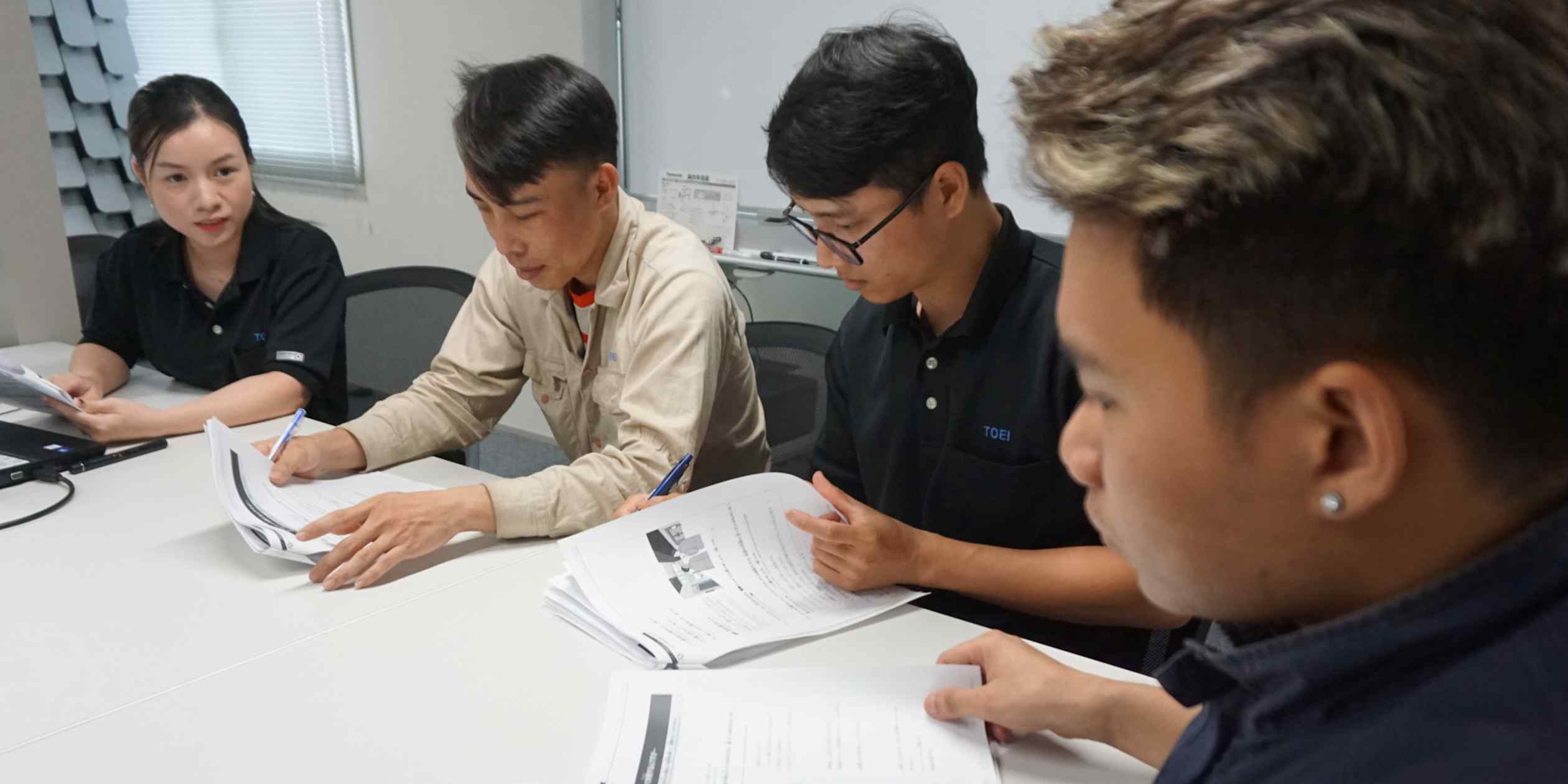
工程机械零部件制造商东荣工业总部位于日本海石川县,于2025年4月开始为其技术实习生提供日语课程。工人们每周在工作时间内三到四人一组参加一次。
Construction machinery parts manufacturer Toei Industry, based in the largely rural prefecture of Ishikawa on the Sea of Japan, began offering Japanese-language classes to its technical intern trainees in April 2025. Workers attend once a week in groups of three or four during work hours.
这些课程由一名越南员工教授,他在公司担任翻译,但没有持有教学证书。
The classes are taught by a Vietnamese employee who works as an interpreter at the company but does not hold a teaching certification.
该公司总务经理表示:“该县的日语学校很少,很难找到获得认证的讲师。”“新计划要求教学由经过认证的教师进行,这与农村地区的条件不相符。"
"There are few Japanese-language schools in the prefecture, and securing instructors with certification is difficult," the company's general affairs manager said. "The new program's requirement that teaching be done by certified instructors is out of step with conditions in rural areas."