2013年,一半世界贸易黄金通过香港流转。那一年,香港进口了1158吨贵金属,超过了传统上的最大买家印度。尽管我们都喜爱这款闪闪发光的金属,但其中几乎没有留存在我们的 vault 中。它主要直接流往内地中国,那里的严格管制意味着其大部分黄金进口必须通过香港转运。
In 2013, one-third of the world’s traded gold passed through Hong Kong. That year, the city imported 1,158 tonnes of bullion, overtaking India, the traditional top buyer. For all our love of the glittering metal, little of it stayed in our vaults. It mostly went straight to mainland China, where strict controls meant the bulk of its gold imports had to transit through here.
谁能想到事情很快就彻底改变了。2014年,中国放宽了限制,允许更多内地银行直接购买外国黄金,而无需通过香港转运。根据香港立法会的一份报告,2015年通过香港净流入内地的黄金量下降到863吨,随后在2019年降至245吨,最终在2020年跌至67吨的低点。
Little did we know that things would soon be turned upside down. In 2014, China relaxed restrictions, allowing more mainland banks to buy foreign gold without routing it through Hong Kong. Net gold flows to the mainland via the city fell to 863 in 2015, then to 245 tonnes in 2019, before reaching a nadir of 67 tonnes in 2020, according to a Hong Kong Legislative Council report.
就在香港作为该地区首要黄金中心的荣光似乎告终之时,事情却焕然起来。自2020年以来流入香港的贵金属急剧增加,去年 rebound 到 942吨。现在,香港已将自己定位为国际黄金交易中心的目标,计划将储存能力扩大十倍,从200吨增加到2028年的2000吨。
Just as Hong Kong’s gilded days as the region’s premier gold hub seemed over, things flickered back to life. Bullion flowing into the city has surged since 2020, rebounding to 942 tonnes last year. Now, Hong Kong has set itself the goal of becoming an international gold trading centre, with plans to increase storage capacity tenfold, from 200 tonnes to 2,000 tonnes by 2028.
所发生的事情是香港角色的结构性转变:从简单的通道转变为国家金融安全和货币国际化推进中的关键环节。
What has happened is a structural shift in Hong Kong’s role: from a simple gateway to a critical link in the nation’s push for financial security and the internationalisation of its currency.
自2014年以来,中国的远元战略发生了根本性变化。它不再追求完全的资本项目可兑换和融入西方主导的体系。相反,它转向建立一个独立于美元的跨境支付体系。
China’s yuan strategy has changed fundamentally since 2014. It has moved away from pursuing full capital account convertibility and integration into Western-dominated systems. Instead, it has pivoted towards building an alternative cross-border payment system independent of the US dollar.
作为无可争议的全球贸易超级大国,中国说服其他国家以人民币结算交易,但无意放松资本管制。但对于其他国家像持有美元或欧元一样持有人民币来说,外国央行必须相信人民币将保持其价值并可以转换为有形抵押品。进入黄金和离岸人民币市场。
As the undisputed global trade superpower, China persuades others to settle their transactions in yuan, yet has no intention of relaxing its capital controls. But for others to hold the yuan as they do the US dollar or euro, foreign central banks must be confident the currency will hold its value and can be converted into tangible collateral. Enter gold and the offshore yuan market.
中国人民银行的主权黄金储备在全球排名第五,但其扩张空间远大于其他主要央行。黄金占美国、德国、法国和意大利外汇储备的65- 75%,但在中国3.4万亿美元巨额外汇储备中所占比例不到10%,而中国外汇储备仍然以美元和外币债券为主。
The People’s Bank of China ranks fifth globally in sovereign gold reserves, yet it has far more room to expand than other major central banks. Gold accounts for 65-75 per cent of the foreign exchange reserves of the US, Germany, France and Italy but makes up less than 10 per cent of China’s massive US$3.4 trillion reserves, which remain dominated by the US dollar and foreign currency bonds.
美国主导的对俄罗斯制裁给北京敲响了警钟,增加黄金储备的紧迫性现在是结构性的。
The US-led sanctions against Russia were a wake-up call for Beijing, and the urgency to build up gold holdings is now structural.
自2007年以来,中国一直是世界第一大黄金生产国,每年产量约380吨,全部由中国保留。它也正在成为最大的进口商,今年迄今已抢购超过1,000吨。其相对不透明的报道使得政府积累了多少实物黄金成为一场猜谜游戏,但北京显然出于战略原因囤积黄金。
China has been the world’s No 1 gold producer since 2007, churning out about 380 tonnes a year, all of which it keeps. It is also becoming the largest importer, snapping up more than 1,000 tonnes so far this year. Its relatively opaque reporting makes it a guessing game how much physical gold the government has amassed, but Beijing is clearly hoarding for strategic reasons.
通过稳步用实物黄金取代美元资产,中国发出信号,表明其国家资产负债表有大量、中性的“硬资产”支撑。这增强了外国,特别是非西方南方国家对持有人民币计价债务或贸易余额的信心。
By steadily replacing US dollar assets with physical gold, China signals that a vast, neutral “hard asset” backs its national balance sheet. That strengthens foreign confidence, particularly among the non-Western Global South, in holding yuan-denominated debt or trade balances.
从历史上看,黄金交易、定价和实物清算一直集中在伦敦和纽约。中国正在建设自己的中心,上海和香港可以形成这个平行的东方基础设施的轴心。
Historically, gold trading, pricing and physical clearing have been concentrated in London and New York. China is building its own centres, and Shanghai and Hong Kong could form the axis of this parallel Eastern infrastructure.
2014年,它成立了上海黄金交易所(SGE)国际板,专注于实物交易,并制定了自己的标准,定价和清算协议,与占主导地位的伦敦金银市场协会(London Bullion Market Association)不同。
In 2014, it established the Shanghai Gold Exchange (SGE) international board, which focuses on physical transactions and sets its own standards, pricing and clearing protocols, distinct from those of the dominant London Bullion Market Association.
伦敦黄金市场仍占据全球日交易量的70%以上,但上海黄金交易所的份额已升至16%。最重要的是,上海黄金交易所主导着全球实物黄金交易,包括实物交割和保管。
The London bullion market still commands more than 70 per cent of global daily trading volume, but the SGE’s share has risen to 16 per cent. Most importantly, the SGE dominates global physical gold trading, which involves physical delivery and vaulting.
北京还在上海证交所推出了人民币计价的黄金合约,并扩大了香港的离岸黄金库。这使得贸易伙伴,特别是金砖国家和中东石油出口国,可以接受人民币作为大宗商品,并立即在香港将其转换为实物黄金,然后运回国内。这个被称为“黄金可兑换”的过程使中国合作伙伴接受人民币的风险大大降低。
Beijing has also introduced yuan-denominated gold contracts on the SGE and expanded offshore gold vaults in Hong Kong. This allows trading partners, particularly Brics nations and Middle Eastern oil exporters, to accept yuan for their commodities, immediately convert it into physical gold in Hong Kong and ship it home. This process, known as “gold convertibility”, makes accepting yuan far less risky for China’s partners.
实际上,中国正在将上海建设为黄金定价和清算中心,并将香港建设为外国客户的金库和交付点。我们的普通法体系、资本自由流动、安全可靠的环境以及高效的专业服务使这座城市成为各国在伦敦和纽约之外实现黄金储备多元化的理想场所。
In effect, China is building Shanghai as the gold pricing and clearing centre, and Hong Kong as the vaulting and delivery point for foreign clients. Our common law system, free flow of capital, safe and secure environment, and highly efficient professional services make the city an ideal place for countries to diversify their gold holdings away from London and New York.
“一带一路”国家的央行可以在这里储存黄金,并将其作为抵押品,以较低的成本筹集人民币计价的资本。由于无法完全兑换,人民币主要充当交换媒介。现在,存放在香港的实物黄金可以作为价值储存手段。将两者联系起来就完成了拼图,没有哪个地方比香港做得更好了。
Central banks from Belt and Road Initiative countries can vault their gold here and use it as collateral to raise yuan-denominated capital at a lower cost. Without full convertibility, the yuan serves mainly as a medium of exchange. Now, physical gold stored in Hong Kong can serve as a store of value. Linking the two completes the jigsaw, and no place can do it better than Hong Kong.
9月23日,香港交易及结算所(HKEx)宣布计划明年初推出人民币计价的黄金期货合约。这将使亚洲和全球南方的交易对手能够直接以人民币对实物金条进行定价、交易和结算,这支撑了该市成为全球黄金交易中心并积极扩大其储存能力的雄心。
On September 23, the Hong Kong Exchanges and Clearing (HKEX) announced plans to launch a yuan-denominated gold futures contract early next year. This will allow Asian and Global South counterparties to price, trade and settle physical bullion directly in yuan, and it underpins the city’s ambition to become a global gold trading centre and aggressively expand its storage capacity.
未来几十年,我们作为国际金融中心的未来取决于我们能否为国家发展离岸人民币和黄金业务。如果我们能成为南半球的黄金桥梁,香港的地位就有保障。周忠彦
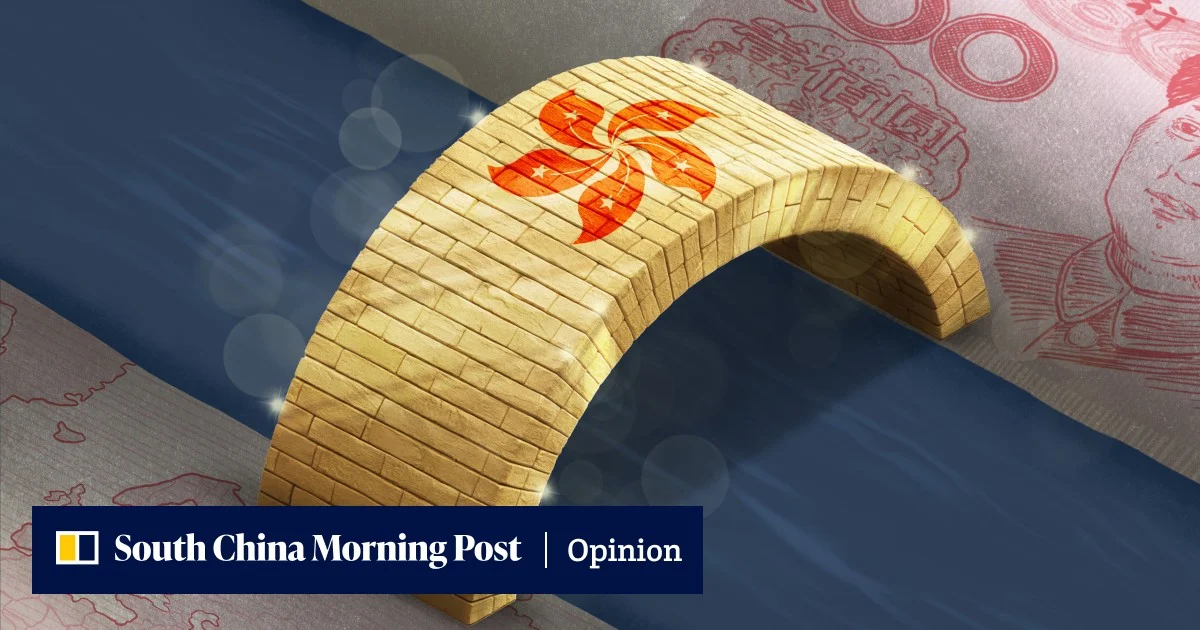
Our future as an international financial centre in the coming decades depends on whether we can develop the offshore yuan and gold businesses for the nation. If we can be the bridge of gold for the Global South, Hong Kong’s position will be vault-secured.