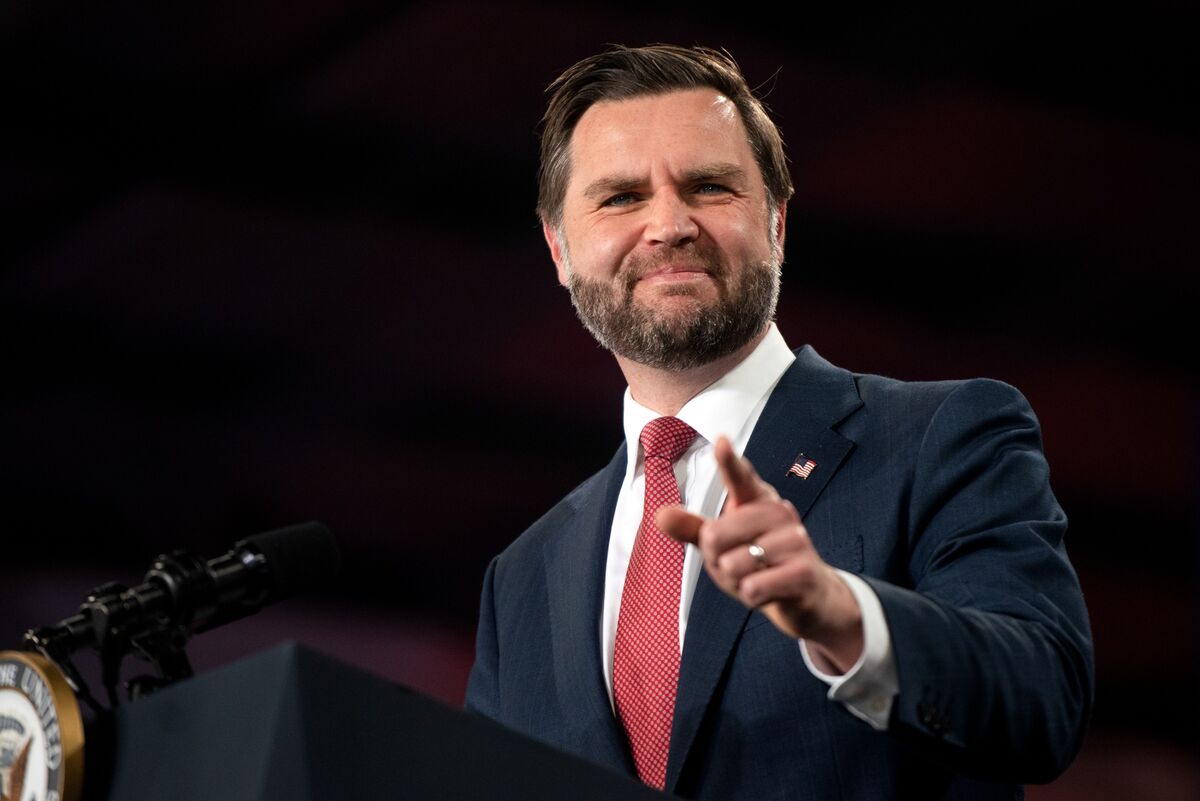
副总统JD·万斯表示,尽管首尔方面称其参与取决于该项目在经济上是否可行,但美韩阿拉斯加天然气项目仍将推进——这一表态引发了总统唐纳德·特朗普关于贸易报复的威胁。
By Soo-Hyang Choi Vice President JD Vance said an Alaska natural gas project with South Korea will move forward even as Seoul said its participation remains conditional on the venture being economically viable — prompting a threat of trade retaliation from President Donald Trump.
“我认为这件事会发生。显然,你们仍然需要解决一些细节问题,而韩国人对此已经发表过看法,”万斯周一在前往阿拉斯加途中于安德鲁斯联合基地告诉记者。
“I think it’s something that’s going to happen. Obviously, you’ve still got to work out some of the details, and the South Koreans, you know, have spoken to that,” the vice president told reporters at Joint Base Andrews on Monday en route to Alaska.
“但当存在对这类资源的需求时,而且对美国天然气确实存在强劲需求时,我认为我们能够完成它,”他说。
“But when there’s a demand for this stuff, and there really is strong demand for American natural gas, I think we’re going to be able to get it done,” he said.
在特朗普的关税警告威胁加深这两个传统盟友之间在贸易和安全方面的摩擦后,副总统的评论似乎使投资讨论保持在正轨上。华盛顿和首尔已经花了数月时间来确定哪些项目将获得韩国去年在与美国的贸易协议中承诺投资的数千亿美元中的一部分。
The vice president’s comments appear to keep the investment discussions on track after Trump’s tariff warning threatened to deepen friction over trade and security between the two traditional allies. Washington and Seoul have already taken months to sort out projects that would receive some of the hundreds of billions of dollars South Korea committed to investing under its trade agreement with the US last year.
“管道是我们非常希望看到实现的,许多亚洲朋友也希望看到它实现,”万斯说。“不仅仅是韩国人;日本人也希望看到这条管道。”上周,特朗普宣布了一项540亿美元的液化天然气出口计划,作为首尔承诺在美国投资的核心部分。韩国政府随后表示,只有在证明经济可行的情况下才同意该项目。
“The pipeline is something that we really want to see happen and a lot of Asian friends want to see happen, as well,” Vance said. “It’s not just the South Koreans; the Japanese would love to see this pipeline.”Last week Trump announced a $54 billion plan for the LNG export venture as the centerpiece of Seoul’s commitment to invest in the US. The South Korean government later said it had agreed to the project only if it proves economically viable.
在今年早些时候最高法院限制了其关税权力后,尚不清楚特朗普是否有权单方面对韩国商品加征关税作为报复措施。
It’s unclear if Trump has the power to unilaterally raise levies on South Korean goods as a retaliatory measure, after the Supreme Court curbed his tariff powers earlier this year.