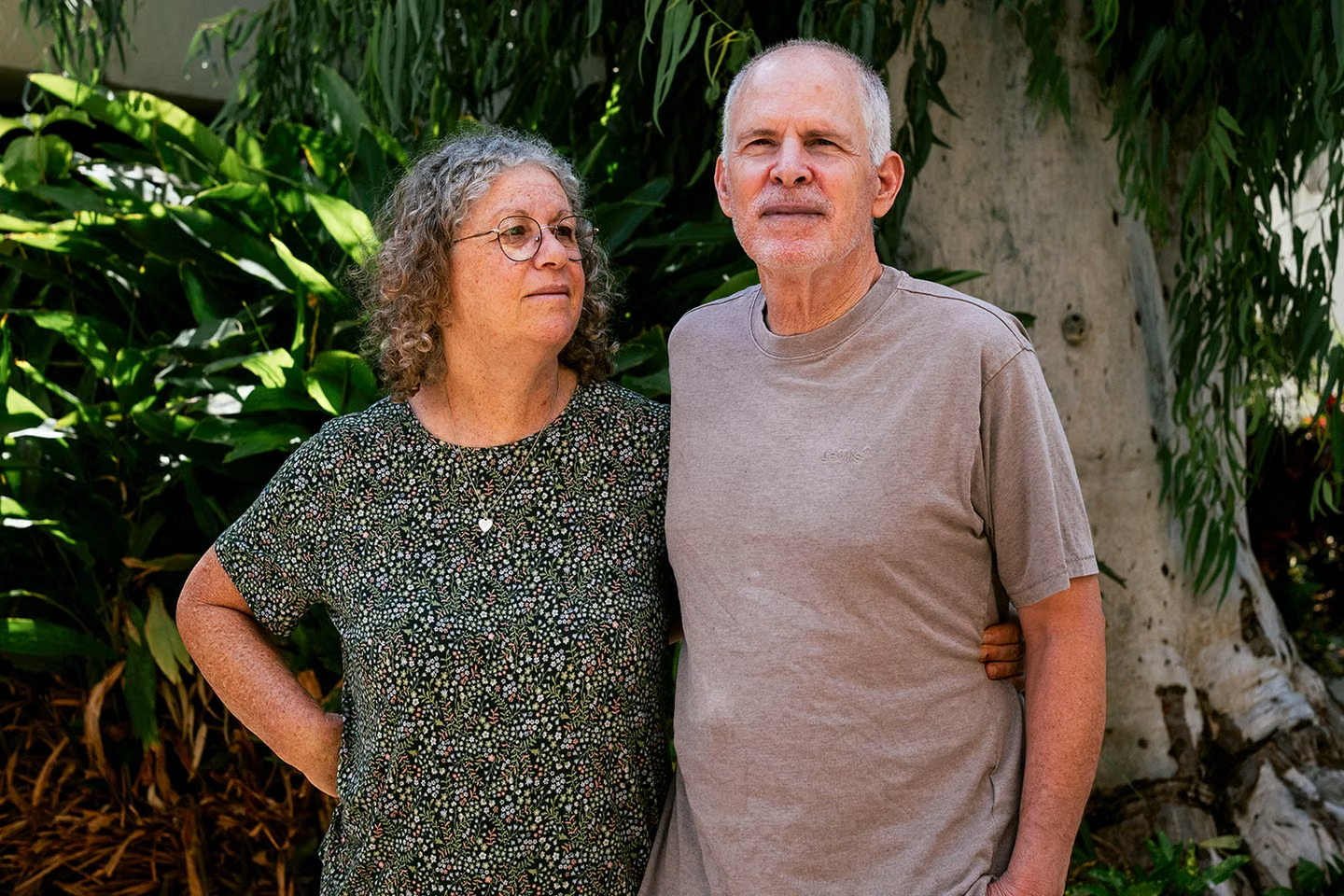
9月23日,66岁的基思和64岁的阿维瓦·西格尔接到了以色列军队的电话。一名士兵希望告知这两位前哈马斯人质——他们曾在10月7日的恐怖袭击中与另外249人一同被绑架——就在不久前加沙地带发生了一次无人机打击。士兵解释说,据报这次打击击毙了其中一名前看守者。
On September 23, Keith and Aviva Siegel, aged 66 and 64, received a call from the Israeli military. A soldier wanted to inform the former Hamas hostages, who were kidnapped during the terrorist attack of October 7 along with 249 other people, about a drone strike that had taken place shortly before in the Gaza Strip. The soldier explained that the strike had reportedly killed one of their former captors.
“人们问我对此是否感到高兴,”阿维瓦·西格尔第二天中午在特拉维夫市中心一家咖啡馆的阴凉露台上接受《世界报》M Le杂志长篇采访时说道,她戴着圆框眼镜,眉头紧锁。“我反对战争。”身旁的基思·西格尔轻声补充道:“阿维瓦和我一直站在和平一边。”
"People ask me if I'm happy about this," said Aviva Siegel the next day at noon, her brow furrowed behind round glasses, during a long interview with M Le magazine du Monde, on the shaded terrace of a café in downtown Tel Aviv. "I am against the war." Beside her, Keith Siegel added softly, "Aviva and I have always been on the side of peace."
每一句话似乎都伴随着代价。当情绪扰乱他们的叙述时,这对并排坐在两把小塑料椅上的夫妇会深吸一口气,彼此沉默对视,并鼓励对方继续。为了解释自己断断续续的话语和突如其来的泪水,基思·西格尔首先提到了他伤势的后遗症——被绑架时断裂的肋骨,以及左手拇指根部因哈马斯成员枪击留下的小疤痕——然后谈到了“看不见的伤痛”。
Every word seemed to come at a cost. When emotion disrupted their story, the couple, seated side by side on two small plastic chairs, took a deep breath, looked at each other in silence, and encouraged one another to continue. To explain his halting sentences and sudden tears, Keith Siegel first mentioned the aftereffects of his injuries – his ribs, broken during his abduction, and his left hand, where a Hamas member's gunshot left a small scar at the base of his thumb – then spoke of "the injuries you cannot see."
自2025年2月1日作为以色列与哈马斯停火协议的一部分获释以来,他思绪时常中断,并伴有记忆缺失。尽管面临这些障碍,他拒绝灰心:“让人们了解我们的经历很重要。”基思·西格尔一只手按在胸前,深吸一口气后继续说道。您已阅读本文的83.73%。其余内容仅供订阅用户阅读。
Since his release on February 1, 2025, as part of a ceasefire agreement between Israel and Hamas, he has lost his train of thought and struggled with lapses in memory. Despite these obstacles, he refuses to lose heart: "It's important that people know what we are going through." With one hand resting on his chest, Keith Siegel took a deep breath before continuing.