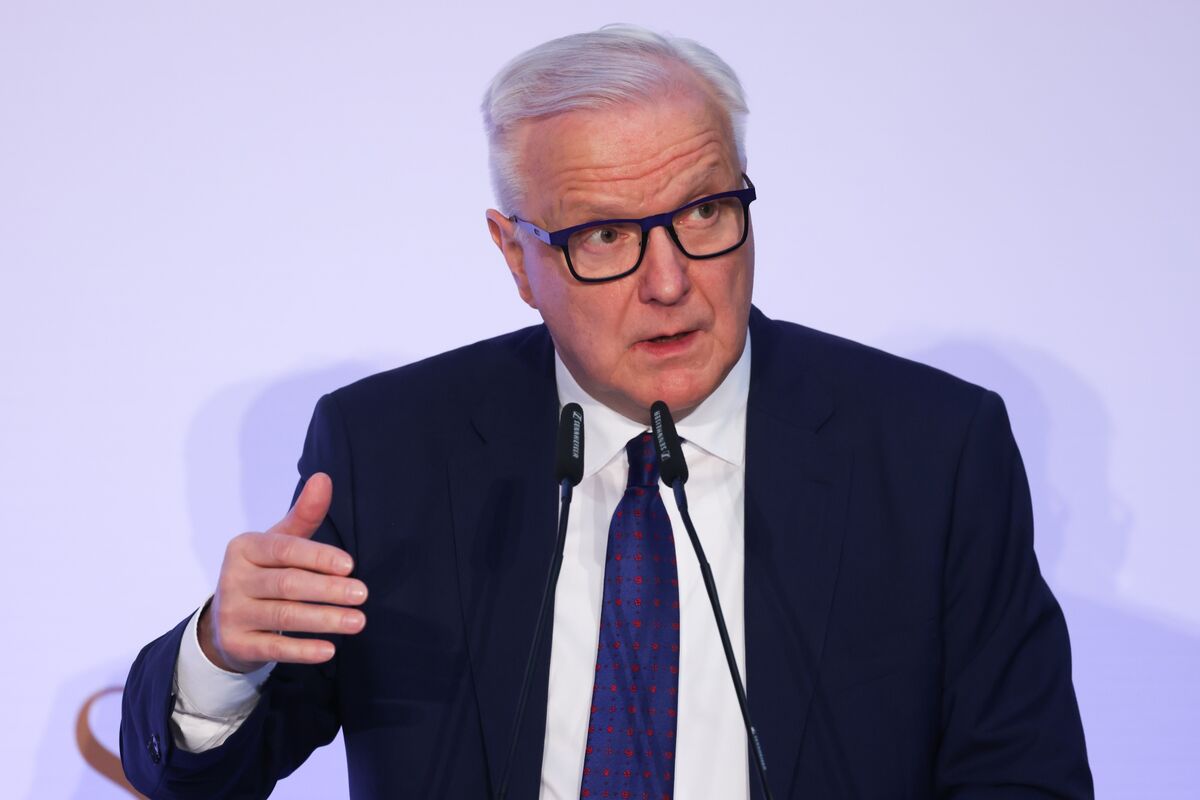
欧洲央行管理委员会成员奥利·雷恩表示,中东能源冲击目前尚未蔓延至其他价格或工资,但不能排除其影响。
Central Bank Governing Council member Olli Rehn said the Middle East energy shock hasn’t so far spread to other prices or wages, but those impacts can’t be ruled out.
芬兰央行行长周二在赫尔辛基表示:“此类影响可能逐渐出现且不易察觉”,并强调保持警惕的必要性。“中东冲突持续时间越长,能源价格上涨广泛传导的风险就越大。”自战争爆发以来,欧洲央行已两次提高借贷成本,最近一次是在9月,因为能源冲击使通胀远高于2%的目标。据知情人士上月向彭博社透露,官员们预计利率将进一步上升,但任何行动都将取决于最新数据。
“Such effects can emerge gradually and unnoticed,” the Bank of Finland chief said on Tuesday in Helsinki, stressing the need for vigilance. “The longer the conflict in the Middle East continues, the greater the risk that the rise in energy prices will spbroadly.”The ECB has raised borrowing costs twice since the war began, most recently in September, as the energy shock pushed inflation well above its 2% target. Officials expect interest rates to rise further, people familiar with their thinking told Bloomberg last month, though any move will depend on incoming data.
雷恩表示,欧元区经济保持韧性,尽管增长仍然低迷。强劲的需求使企业更容易将较高的成本转嫁给消费者,从而增加了能源冲击更广泛推高通胀的风险。
The euro-area economy has remained resilient, though growth is still subdued, Rehn said. Strong demand makes it easier for companies to pass higher costs on to consumers, increasing the risk that the energy shock feeds more broadly into inflation.
与此同时,由于人工智能投资热潮增加了对资本的需求,加上通胀预期上升、公共债务增加以及全球不确定性加剧,长期利率也随之上升,芬兰央行指出。
Long-term rates have meanwhile increased as the AI investment boom boosts demand for capital, while inflation expectations, rising public debt and greater global uncertainty are also contributing, according to the Bank of Finland.
雷恩表示:“长期利率的上升正在减缓经济增长,并在一定程度上抑制了能源价格上涨向其他价格和工资的传导。”
“The rise in long-term interest rates is slowing economic growth and, for its part, restraining the pass-through of higher energy prices to other prices and wages,” Rehn said.