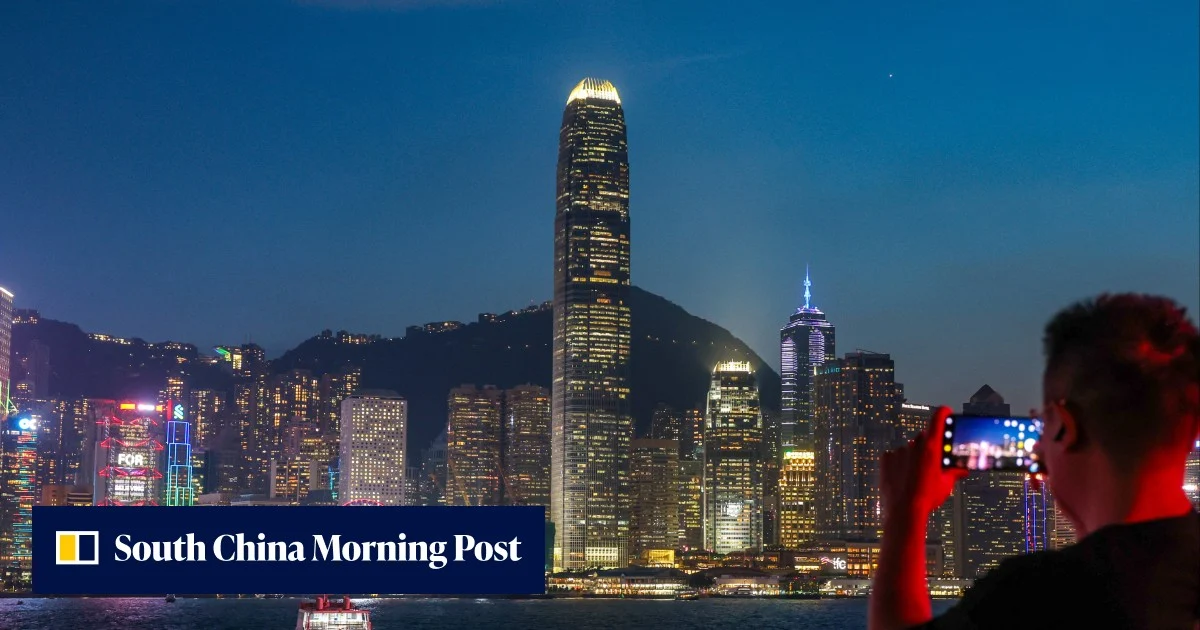
在加拿大知名智库最新发布的年度排名中,香港继续保持全球经济最自由地区的地位,不过其得分近年来有所下滑。
Hong Kong has retained its status as the world’s freest economy in the latest annual ranking by a top Canadian think tank, although its score has declined in recent years.
根据弗雷泽研究所周二发布的排名,瑞士超越新加坡位居第二,后者则退居第三位。这份《2026年世界经济自由度报告》由总部位于温哥华的这一公共政策研究机构依据2024年的数据编制,对全球165个地区的经济自由度进行了评估。
Switzerland overtook Singapore to claim second place, pushing the city state down to third in the rankings released on Tuesday by the Fraser Institute. The 2026 Economic Freedom of the World report, compiled by the Vancouver-based public policy research organisation using data from 2024, ranked Hong Kong first among 165 jurisdictions.
此前香港曾在2023年首次失去榜首位置,随后于2024年重新夺回这一地位,并在2025年得以保持。该智库指出:“尽管自2018年以来香港的经济自由度出现显著下滑,但在我们掌握数据的最近一年——2024年,它依然是全球经济自由度最高的地区。”
Hong Kong lost the top spot for the first time in 2023, before reclaiming it in 2024 and retaining it in 2025. “Despite a precipitous decline in economic freedom since 2018, Hong Kong remained the world’s most economically free jurisdiction in 2024, the latest year for which we have data,” the think tank said.
紧随新加坡之后的是新西兰和美国。在其他主要经济体中,英国排名第13位,日本排第17位,印度位列第86位,中国大陆则排在第108位。
Singapore was followed by New Zealand and the United States. Among other major economies, Britain ranked 13th, Japan 17th, India 86th and mainland China 108th.
该报告从监管环境、国际贸易开放度、政府规模、法律体系与产权保护以及货币稳定性等多个维度进行评估,同时也考察了民众在本国或本地做出经济决策的自由程度。报告联合撰写人、弗雷泽研究所高级研究员马修·米切尔分析称:“疫情期间,各国政策制定者纷纷出台新法规、提高贸易壁垒、增加政府开支与税收,甚至大量印钞来支付各项支出,导致全球经济自由度整体下降。”
The report assessed regulation, openness to international trade, the size of government, the legal system and property rights, and the stability of the currency. It also measured people’s freedom to make economic decisions in their countries or cities.
排名垫底的前十个国家依次为刚果、埃及、马拉维、阿尔及利亚、伊朗、缅甸、利比亚、苏丹、津巴布韦和委内瑞拉。本文作者为威廉·姚。
“Global economic freedom fell during the pandemic as policymakers imposed new regulations, raised barriers to trade, increased government spending and taxes, and then printed money to pay for spending,” Matthew Mitchell, senior fellow at the Fraser Institute and a co-author of the report, said. The 10 lowest-ranked countries were Congo, Egypt, Malawi, Algeria, Iran, Myanmar, Libya, Sudan, Zimbabwe and Venezuela.