一些青少年已经开始利用人工智能来完成作业、复习考试和打磨课程作业。而另一些人则完全避而远之。
Some teenagers are already using artificial intelligence to tackle homework, revise for exams and sharpen coursework. Others are steering clear of it completely.
在苏格兰的一所学校,校方决定,假装人工智能不存在并不是一个可行的选择。
At one Scottish school, staff have decided that pretending AI doesn't exist is not an option.
位于东伦弗鲁郡的米尔恩斯城堡高中据信是英国第一所任命专门负责人工智能素养教育的主管教师的学校。这一职位完全致力于帮助学生和教职员工了解这项强大新技术的风险与益处。
Mearns Castle High School in East Renfrewshire is believed to be the first school in the UK to appoint a dedicated principal teacher of AI literacy, creating a role focused entirely on helping pupils and staff understand the risks and benefits of the powerful new technology.
该职位最终由前生物学主管教师Jamie Laycock担任。他表示,学校必须帮助年轻人理解人工智能带来的机遇与危险。
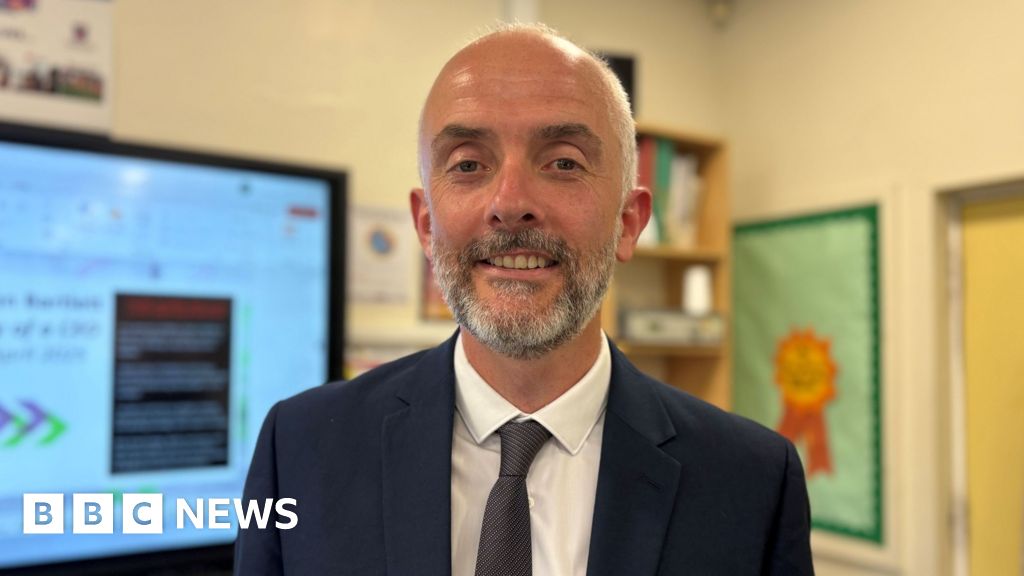
The job has gone to Jamie Laycock, a former principal teacher of biology, who says schools must help youngsters understand both the opportunities and dangers of AI.
这一新职位背后的核心信息是:“我们不能仅仅希望人工智能会自行消失。”
The message underpinning the new role is: "We can't just hope AI goes away".
然而,Laycock的使命并非教导学生接受人工智能,而是确保他们能够质疑、挑战并负责任地使用它。
But rather than teaching pupils to embrace AI, Laycock's mission is to ensure they can question it, challenge it and use it responsibly.
在他上的第一堂课中,学生们看到了一系列真实图像与人工智能生成的图像混合内容,并被要求识别出其中的假图。结果如何?这比许多人预期的要困难得多。
In one of his first lessons, pupils were shown a mixture of real and AI-generated images and asked to spot the fakes. The result? It was much harder than many expected.
Laycock表示,随着所谓“深度伪造”技术的飞速发展,这项任务正变得日益艰难。但识别假图只是课程的一部分。
Laycock says it's becoming increasingly difficult by the day, highlighting the rapid advances in so-called deepfakes. But identifying fake images is only part of the course.
Laycock还教导学生关于“幻觉”的问题——即人工智能会自信地提供自己编造的信息。
Laycock also teaches pupils about "hallucinations" where AI confidently provides information it has made up.
“我认为‘幻觉’这个词其实挺糟糕的,但它基本上就是凭空捏造东西,”他说,“对于年轻人来说,如果你没有我们所说的‘基础知识’,可能很难判断某件事是幻觉还是真实信息。”他表示,年轻人需要学会对任何人工智能生成的内容保持怀疑,然后进一步核实,以判断其是否为真实事实。
"I think hallucination is actually a really bad word, but it basically makes stuff up," he says. "For a young person, if you don't have what we call 'foundational knowledge' it might be hard for you to figure out whether something is a hallucination or whether it's genuine." He says young people need to be taught to be sceptical of any AI output and then go and check it to determine whether it is a genuine fact.
另一个危险是“拟人化”——人们仅仅因为聊天机器人听起来像人类,就将其视为值得信赖的朋友或专家。“它具备类人的特质,但实际上这只是一台机器,”莱科克说道。
Another danger is "anthropomorphisation", where people treat chatbots like trusted friends or experts simply because they sound human. "It has human-like qualities but actually this is just a machine," Laycock says.
“尤其对年轻人来说,要始终客观看待这一点其实非常困难。”莱科克还警告说,人工智能常常迎合用户,一味赞同他们,而不是挑战他们的观点,这可能会让年轻人不加批判地接受答案,从而带来风险。
"And for a young person, in particular, that is actually a really difficult thing to keep in perspective all the time." Laycock also warns that AI often flatters users and agrees with them rather than challenging their ideas, creating risks for young people who may accept answers without thinking critically.
“它就像个马屁精,”他说,“它总是告诉你你很棒,你的想法很出色。”
"It's sycophantic," he says. "It always tells you you're amazing, that your idea is great.
“我们需要教导年轻学习者认识到这一点,以免他们被技术所困、所依赖,最终过度依赖它。”学生们还将学习另一个领域:由于训练数据的影响,人工智能对某些特定规范的偏见。
"We need to be teaching our young learners about that so that they don't get trapped and hooked into the technology and become over-reliant." Another area pupils will be taught is AI's biases towards certain norms because of the information it is trained on.
这位老师说,课程将针对“不同年龄和阶段”进行设计,低龄学生需要先掌握基础知识和批判性思维能力,然后再学习人工智能的实际应用。
The teacher says the lessons will be tailored to "different ages and stages" with younger pupils needing to be focused on foundational knowledge and critical thinking skills before moving on to practical uses of AI.
“我们并没有说自己是人工智能的支持者,也没有说它好或坏,”莱科克表示。
"We're not saying that we're advocates for AI, and we're not saying that it is good or bad," Laycock says.
“我们的学习者需要知道如何恰当使用它,以便能从中获得最大的益处。”
"Our learners need to know how to use it appropriately so that they can get the best out of it.
“他们需要意识到,自己正在与一台机器互动,并且绝不能让这台机器影响他们自身的思考能力和批判性评估能力。”英国许多学校都设有“人工智能负责人”,即教师在本职工作之外还承担部分与人工智能相关的责任,但据认为,这是英国首次有学校专门设立人工智能素养相关的职位。
"They need to be aware that this is a machine that they are interacting with, and for it certainly not to impact on their own ability to think and critically evaluate things." Many schools in the UK have AI leads, teachers who take on some responsibility for AI alongside their day jobs, but this is thought to be the first time in the UK that a school has designated a specific role to AI literacy.
这一举措是在今年早些时候爱丁堡大学发布的一份报告之后。该报告指出,苏格兰学校既没有足够的时间,也没有足够的资源来为人工智能的迅速崛起做好充分准备。
It follows a report by Edinburgh University published earlier this year which concluded that Scottish schools have not had the time nor capacity to prepare properly for the rapid rise in AI.
在米尔恩斯城堡学校,S1和S2年级的所有学生都将接受人工智能素养课程,而高年级学生则将在公民教育和个人发展(PSE)课程中涉及这一主题。学校还将为高年级学生开设一门选修课。
At Mearns Castle, all pupils in S1 and S2 will receive AI literacy lessons, while older year groups will cover the subject through citizenship and personal education (PSE) classes. An elective course will also be available for senior pupils.
莱科克还会协助培训其他教师如何运用人工智能技术,并编写可供其他学校使用的教学材料。
Laycock will also help to train colleagues on the use of AI and develop teaching materials which can be used by other schools.
随着家长和学生对人工智能的兴趣日益浓厚,学校专门设立了这一岗位——许多学生都在询问人工智能将如何影响未来的职业发展。
The role was created after growing interest from both parents and pupils, many of whom are asking how AI will affect future careers.
多名高三学生主动请缨,协助莱科克研究如何向全校同学传授人工智能相关知识。
A number of S6 pupils have volunteered to work with Laycock on how best to teach AI to the rest of the school.
17岁的托莫便是其中之一。他原本计划攻读金融与经济专业,因为一直梦想成为一名交易员。如今他却在思考:自己还没毕业,人工智能是否就会彻底改变这个行业呢?
Among them is 17-year-old Tomo, who had been planning to study finance and economics as he had always wanted to be a trader. He now wonders whether AI could transform the profession before he even graduates.
“我觉得大家都很担心人工智能会取代我们的工作,毕竟再过几个月我们就要提交大学申请了,”他说道。
"I think everybody's worried about what's going to be taken away by AI because we've got our university applications in the next few months," he says.
另一位学生艾丁则认为,人工智能应当被当作辅助理解的工具,而非直接给出答案的捷径。
Fellow pupil Aydin said the technology should be used as a tool to aid understanding rather than provide easy answers. "It shouldn't be used constantly," he says.
“不该频繁使用它,”他说,“更不能滥用。我觉得它顶多能起到辅助作用。与其直接让它给出答案,不如借助它来探寻得出答案的方法。” 还有一名学生安娜表示,那次深度伪造技术练习让她对自己辨别真实与虚假图像的能力产生了怀疑。
"It shouldn't be abused. I think it is always good to be as a little side help. "It's better to use that for how to get to the answer, rather than just letting it do it for you and getting the straight answer there." Another pupil, Anna, said the deepfake exercise left her less confident about her ability to distinguish real images from fake ones.
校长斯图尔特·克拉克指出,人工智能必将对经济与社会产生深远影响。
Head teacher Stuart Clark says it is clear that the implications of AI will be profound for the economy and on society.
“我们始终明确:积极应对人工智能发展与应用,并不等同于盲目推崇或大力推广它,”他说道。
"We're really clear that acting on AI is not the same thing as advocating for it or promoting it," he says.
“人工智能既会带来风险,也会带来机遇。我们必须避免重蹈社会在社交媒体发展过程中的覆辙——即让青少年在尚未充分了解其影响的情况下就开始使用社交媒体。”今年3月,苏格兰政府发布了全国性的人工智能指导方针,强调了人工智能的伦理使用至关重要,其中包括在教育环境中不应过度依赖人工智能,也绝不能让它取代人与人之间有意义的互动。
"There will be risks associated with AI and there will be opportunities and it's really important that we don't make the same mistakes that society made with social media with young people adopting social media use without being fully educated on the implications." The Scottish government published national guidelines on AI in March this year which highlight the importance of the ethical use of it, including not relying on it too much in educational settings and not allowing it to replace meaningful human interactions. Education Secretary Màiri McAllan said: "It is encouraging to see schools and councils exploring how best to support AI literacy.
教育大臣玛伊里·麦卡兰表示:“看到各学校和地方议会都在积极探索如何有效提升学生的AI素养,令人倍感欣慰。随着人工智能日益普及,帮助学习者和教育工作者认清这项技术带来的机遇与挑战显得尤为重要。这份指导方针明确了相关原则,有助于各地在教育领域做出合理的人工智能应用决策。各地方议会可结合自身法律义务、现有机制及本地实际情况,参照这些原则来制定相关举措。”
"As AI becomes more visible, it is important that learners and educators are supported to understand both the opportunities and challenges these technologies present. "The guidance sets out principles to support local decision-making on the use of AI in education settings. Councils can use these principles to inform their approach to AI, taking account of their legal duties, existing arrangements and local circumstances."
她补充道:“作为一项技术,人工智能正以极快的速度不断发展。正因如此,苏格兰政府将持续密切关注相关动态。”
She added: "AI, as a technology, is constantly developing at an exceptionally swift rate. As such, the Scottish government will keep matters under continual review."