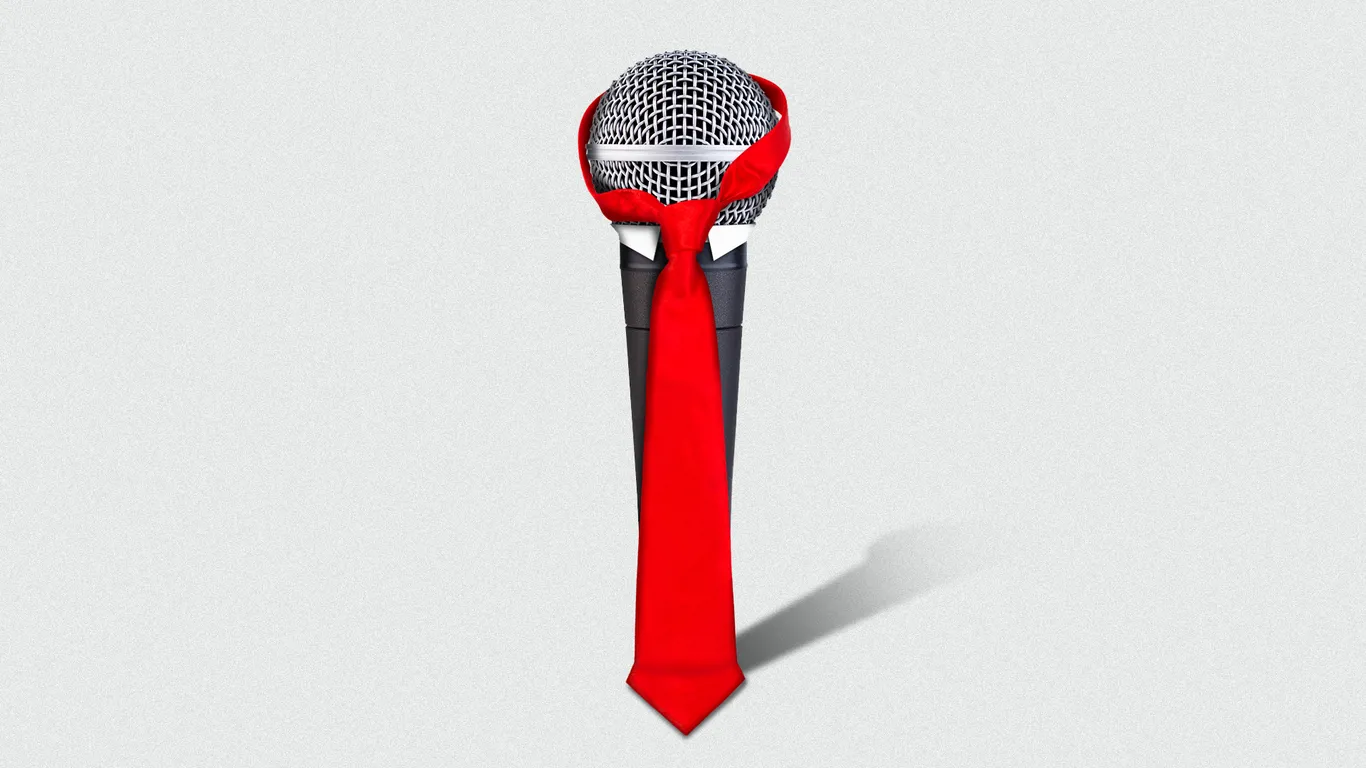
特朗普总统长期以来都喜欢给对手起绰号。如今,随着11月大选临近,他甚至试图掌控政治话语的用词规范。
President Trump has long nicknamed his opponents, and now, as November approaches, he's even trying to dictate the vocabulary around . The big picture:
宏观背景:特朗普此次试图重塑政治语言的做法,其实延续了他一贯的政治策略:掌控辩论的用语定义,就能掌握辩论的主导权。
Trump's latest effort to reshape political language follows his longtime political strategy: Define the terms of the debate, and you gain power over the debate itself.
- 不过,由于相关议题的民调结果持续令共和党陷入被动,特朗普新定下的这些词汇恐怕也难以扭转选民的立场。
• But as polling on those issues continues to haunt the president's party, Trump's new vocabulary may not be enough to change voters' minds.
具体实例:美国民众普遍担忧物价上涨问题——但在特朗普口中,这个词汇已不复存在,取而代之的是“超级智能”。
Case in point: Americans are worried about— but to Trump, that word no longer exists. It's "super intelligence" now.
- 选民们同样关心生活成本问题,但特朗普称这个词汇是“新造词”,甚至是个“骗局”。
• Voters are also concerned about affordability, but that's a "new word" and a "hoax," Trump says.
- 至于伊朗局势?特朗普有时称其为“战争”——这个词在法律层面有特定含义;有时又称之为“军事行动”“小规模冲突”或“军事突袭”。
• And the war in Iran? Sometimes Trump says it's a war — a word that carries strict legal implications — and other times it's an "excursion," a "military operation" or a "skirmish." The intrigue:
深层逻辑:这些议题看似各不相同,但背后贯穿着特朗普对政治辩论语言框架的操控逻辑。
The issues are starkly different, but the throughline is the way Trump frames the linguistic building blocks of political debate.
- “如果你能促使所有影响大众语言认知的人都使用你设定的词汇,你就拥有了极强的话语权,”宾夕法尼亚大学传播学教授、安嫩伯格公共政策中心名誉主任凯瑟琳·霍尔·杰米森说道。
• "If you can actually get everyone who influences our perception of language to adopt your language, you have a very powerful capacity," says Kathleen Hall Jamieson, a communications professor at the University of Pennsylvania and director emerita of the Annenberg Public Policy Center. What they're saying:
官方回应:“特朗普总统无疑是共和党的领军人物、最出色的宣传者以及最具号召力的激励者,他致力于确保共和党继续掌控国会多数席位,”白宫发言人戴维斯·英格尔在回复Axios的声明中说道。
"President Trump is the unequivocal leader, best messenger, and unmatched motivator for the Republican Party, and he is committed to maintaining Republican majorities in Congress," White House spokesperson Davis Ingle said in a statement to Axios.
最新动态:随着人们对人工智能可能给人类带来威胁的担忧日益加剧(特朗普曾将这种担忧称为“骗局”),向来主张放松监管的特朗普签署了一项行政命令,将“人工智能”中的“人工”一词替换为“超级”。杰米森指出:“眼下这一议题争议极大,而特朗普的立场并不受民众欢迎,因此反而对他不利。”
The latest: As fears about AI's potential threat to humanity (which the president has labeled a "hoax") boiled over, Trump — who has favored a light regulatory touch — signed an executive order replacing "artificial" with a different word: "super." • "This is a highly contentious issue right now that is working against him because his position is unpopular," Jamieson says.
- 她补充道:“不过如今人工智能在新闻环境以及社会舆论中无处不在,人们对其既抱有期待又充满焦虑。如果你能赋予它积极的情感联想而非负面印象,那你就已经取得了成效。”
• She adds: "But AI … is so pervasive right now in the news environment and the anxieties of the culture that if you can attach positive affect to it as opposed to negative affect to it, you've accomplished something."
- 各方反应不一:埃隆·马斯克表示会将“SpaceXAI”更名为“SpaceXSI”;而萨姆·奥尔特曼则对《Politico》表示不会更改OpenAI的名称,并指出“品牌具有很强的延续性”。
• The reaction has been mixed: Elon Musk said he'd rename SpaceXAI to SpaceXSI, but Sam Altman told Politico he wouldn't rename OpenAI, noting that "brands are sticky." Zoom in:
深入解读:特朗普在应对“可负担性”这一词汇时也遭遇重重阻力。这个词虽简单,却精准概括了民众所面临的复杂经济压力;民主党人巧妙利用这一词汇在关键选举中赢得支持,并在中期选举期间持续加以宣传。
Trump is also fighting an uphill battle against the word "affordability": a simple term for complex economic strain that Democrats harnessed in key elections and have championed throughout the midterm cycle.
- 特朗普声称这是媒体杜撰出来的“假词汇”,是民主党用来欺骗民众的“骗局”。但与对待“SI”一词时不同,他并未提出任何替代词汇。
• He's said it's a word the press devised, a "fake word" and a Democratic "con job." But unlike with SI, he hasn't offered an alternative.
- 不过他也大力推广自己选定的中期选举宣传用语,其中“共产主义”便是典型例子。
• But he's also leaned on his own midterm buzz words, "communism" being a prime example. Between the lines: "
深层含义:“如果你能决定政治辩论中使用的词汇及其定义方式,那么你甚至能在辩论开始之前就占据上风,”德克萨斯A&M大学教授、《‘煽动家’特朗普:唐纳德·特朗普的修辞天赋》一书的作者詹妮弗·默西卡解释道。
If you can shape which words are used in a political debate and how those words are defined, then you've won the debate before it even starts," explains Jennifer Mercieca, a Texas A&M professor and author of "Demagogue for President: The Rhetorical Genius of Donald Trump."
- 她在接受Axios采访时写道:“特朗普总统当然明白这一点,他也成功实现了对诸多议题的重新定义或重新阐释。”她特别提到特朗普推广“假新闻”这一说法的成功案例。不过她也指出,特朗普的“话语争夺战其实不足为奇”,因为“这正是当今政治运作的核心机制”。
• "President Trump knows this, of course, and has been very successful in re-framing or re-defining issues," she writes to Axios, pointing to his popularization of the term "fake news." But Trump's "frame warfare isn't surprising" as "it is essential to how politics works today."
- 特朗普的第二任期内,这种语言争夺战进一步升级:他先后更改了墨西哥湾、安大略湖以及国防部的名称;那些与多元化、性别相关的关键词也成了撤销相关资助项目的依据。
• Trump's second administration has expanded that battle over language, renaming the Gulf of Mexico, Lake Ontario and the Department of Defense. Keywords tied to diversity and gender have driven grant cancellations.
- 杰米森指出,鉴于特朗普对不使用其指定用语的人采取严厉惩罚措施,“他或许正在赋予总统职位一项颇具争议的新职能——即‘首席命名官’。”
• And with Trump's punitive response to anyone who doesn't use his preferred language, Jamieson says: "You may be adding a function to the presidency, a controversial function, which is namer-in-chief." The bottom line:
总结:语言能够影响我们的认知,但11月大选的关键问题在于:语言能否左右选举结果?
Our perceptions can be shaped by language — but the key question for November is whether our elections can be.