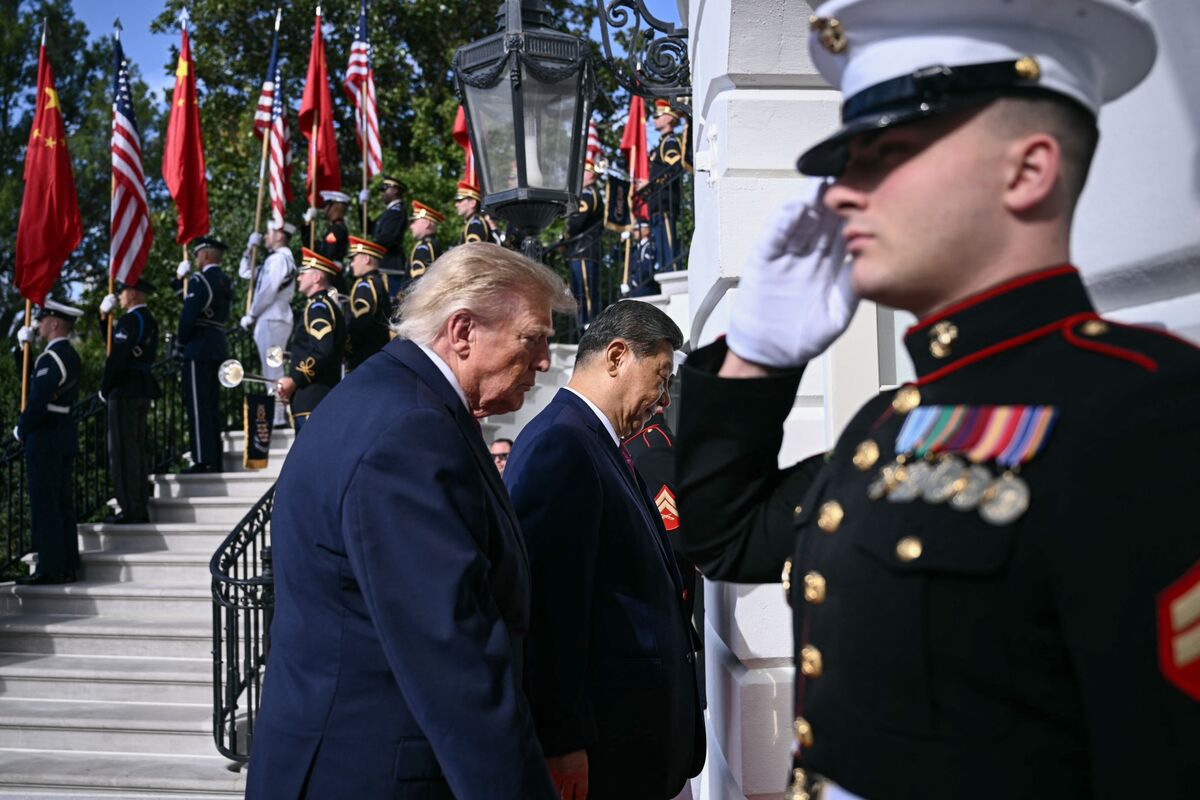
编辑部当中国和美国领导人在5月会晤时,他们宣布成立一个“投资委员会”,旨在扩大中国对美直接投资。上个月在华盛顿,他们几乎只字未提这一议题。这种遗漏并不令人意外——但却目光短浅。
By The Editors When the leaders of China and the US met in May, they announced a “Board of Investment” aimed at widening Chinese foreign direct investment in the US. In Washington last month, they barely mentioned the subject. The omission is unsurprising — and shortsighted.
美国政坛各派对中国企业普遍存疑。国家安全鹰派担心引入中国技术可能被用于监视美国人,或在危机时刻被远程破坏。经济民族主义者警告称,向大量补贴的中国制造商敞开大门将挤垮本地企业,并锁死对大陆供应链的依赖。甚至交通部长肖恩·达菲最近也猛烈抨击福特汽车公司,因其在密歇根州一家工厂引进中国电池技术,并与中国吉利汽车控股有限公司在西班牙合资建厂。
Suspicion of Chinese companies runs high across the US political spectrum. National security hawks worry about letting in Chinese technology that could be used to spy on Americans, or be sabotaged remotely during a crisis. Economic nationalists warn that opening the door to heavily subsidized Chinese manufacturers will drive local firms out of business and lock in dependence on mainland supply chains. Even Transportation Secretary Sean Duffy recently blasted Ford Motor Co. for licensing Chinese battery technology at one of its Michigan factories and partnering with Chinese automaker Geely Automobile Holdings Ltd. on a venture in Spain.
部分担忧有其合理性。官方有理由审查中国企业在军事设施或关键基础设施附近的土地购买行为。中国获取美国敏感数据、将供应链瓶颈武器化、在电动汽车等联网技术中植入后门,以及不公平地打压美国竞争对手的风险,不容忽视。在某些情况下,增加投资的危害显然将超过潜在的经济利益。
Some concerns are valid. Officials have reason to scrutinize Chinese land purchases near military facilities or critical infrastructure. The risks of China gaining access to Americans’ sensitive data, weaponizing supply chain chokepoints, implanting backdoors in electric vehicles and other connected technologies, and unfairly undercutting US rivals shouldn’t be ignored. In some cases, the dangers of increased investment will clearly outweigh any potential economic benefits.
与此同时,中国企业在电动汽车、储能、机器人和生命科学等多个关键行业已占据极具竞争力的地位。封杀它们进入美国市场或许能暂时保护国内生产商。但这些制造商面临在全球范围内落后得越来越远的风险,只能在被垄断的美国市场上兜售过时技术,而在其他市场失去业务。
At the same time, Chinese firms have taken a highly competitive position in several key industries, from electric vehicles and energy storage to robotics and life sciences. Blocking them from the US market might temporarily shield domestic producers. But those manufacturers risk falling further and further behind globally, selling outdated technology in a captive US market while shedding business elsewhere.
政策制定者应当回顾中国是如何取得其有利地位的。当然,国家补贴和工业间谍活动都起到了作用。但同样重要的是,中国决定欢迎领先的外国制造商,并通过合资企业推动他们将技术和专业知识转移到本地公司。中国企业家利用这些新技能创办了自己的企业。而激烈的竞争也促使他们不断攀登技术阶梯:直到特斯拉获准在上海独资建厂,中国车企才开始研发能够与世界顶尖水平相媲美的电动汽车。
Policymakers should remember how China reached its advantageous position. State subsidies helped, to be sure, as did industrial espionage. Also important, though, was the decision to welcome leading foreign manufacturers and press them to transfer technology and know-how to local firms through joint ventures. Chinese entrepreneurs used those new skills to launch their own enterprises. And fierce competition drove them to climb up the technological ladder: It was only after Tesla Inc. was allowed to operate a Shanghai factory with no local partner that Chinese automakers began developing EV models that rivaled the best in the world.
借鉴中国在那些企业已掌握世界领先技术和工艺领域的战略,或许能帮助美国多个行业迎头赶上,前提是能降低安全风险。像福特那样的授权协议可能最清晰、也最省心。但美国仍应保持对合资企业甚至完全由中资控股的子公司持开放态度,只要满足特定条件。制造商必须被要求建立多元化的本地供应链,并引入其最先进的技术。美国的数据必须受到保护,同时应采取措施防止低价倾销。相关策略还可以与面临类似挑战的加拿大和欧洲盟友进行协调。
Borrowing from China’s strategy in sectors where its companies have developed world-beating technologies and processes could help several US industries to catch up, provided security risks can be mitigated. Licensing deals such as Ford’s may offer the clearest benefits and fewest worries. But the US should remain open to joint ventures and even wholly owned Chinese subsidiaries as long as certain conditions are met. Manufacturers should be required to build up diversified local supply chains and to bring their best technology. US data must be protected and measures taken to prevent dumping. Strategies can be coordinated with allies in Canada and Europe, who are grappling with similar challenges.
目标不应像中国那样,强行转移知识产权。相反,应致力于寻求自愿且互利共赢的合作关系,以推动知识传播、积累专业经验并激发工艺创新。
The goal should not be (as in China) a coercive transfer of intellectual property. Rather, it should be to seek voluntary and mutually advantageous partnerships that can help spread knowledge, build up expertise and spur process innovation.
政策制定者应当鼓励美国企业从中国合作伙伴那里学习一切能学到的东西,并相信他们会利用这些知识,在创新能力和竞争实力上超越对手。或许明智的做法是先选择一两个试点案例,观察美国外国投资委员会等现有机构在应对安全关切方面的表现,以及它们在哪些方面需要更多权力和资源。
Policymakers should encourage US companies to learn what they can from Chinese partners and trust that they will use that knowledge to outinnovate and outcompete rivals. It might be wise to start with one or two test cases to see how well existing bodies such as the Committee on Foreign Investment in the United States can address security concerns and where they need additional powers and resources.
中国当然会对交出关键技术保持警惕。但面临国内残酷价格竞争的中国大陆企业,渴望进入利润丰厚的美国市场。它们有责任在北京做出与在华盛顿相同的论证:增加中国对美投资将惠及两国。
China will, of course, be wary of surrendering valuable technology. But mainland companies facing brutal price competition at home are eager for access to the lucrative American market. The onus is on them to make the same case in Beijing that needs to be made in Washington: Boosting Chinese investment in the US would be good for both countries.
如需联系负责彭博观点版社论的高级编辑,请联系:Timothy L. O'Brien,邮箱:tlobrien@bloomberg.net
To contact the senior editor responsible for Bloomberg Opinion’s editorials: Timothy L. O'Brien at tlobrien@bloomberg.net