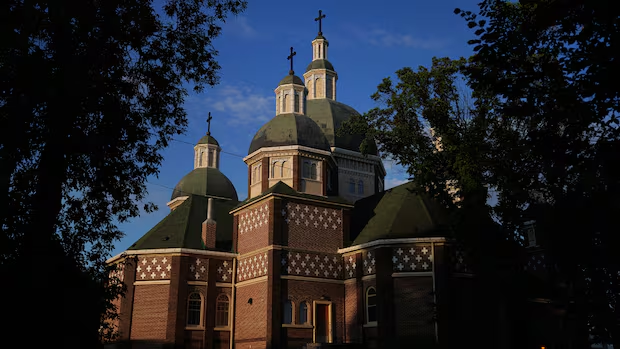
阿尔伯塔省的天主教主教们恳切呼吁教区居民思考该省即将举行的公投提案可能对弱势群体产生的影响。
Alberta's Catholic bishops are imploring parishioners to think about how the province's upcoming referendum proposals may affect vulnerable people.
五位主教在一份联合公开信中,请求教区居民考虑这些投票提案对儿童、贫困者、病人和孤立人群可能带来的影响。
The five bishops, in a joint public letter, ask parishioners to consider the effects of the ballot proposals on children, those in poverty, the sick and the isolated.
他们在10月1日署名的信中写道:“一个人的价值并不取决于其国籍、收入、能力或对社会的贡献。”
"A person's worth does not depend on citizenship, income, ability or contribution to society," they state in the letter, dated Oct. 1.
10月19日,省长丹妮尔·史密斯的政府将向阿尔伯塔省民众提出一系列问题,以争取授权对部分新移民实施限制和收费。
On Oct. 19, Premier Danielle Smith's government is asking Albertans a series of questions as it seeks a mandate to put limitations and fees on some newcomers.
这些问题包括:阿尔伯塔省是否应加强对移民的控制,并制定更多规则来限定哪些新移民可以使用医疗和教育等服务。此外,提案还询问是否应设立最低居住要求,并对部分新移民收取医疗和教育费用。
The questions include whether Alberta should seek more control over immigration and put more rules around which newcomers can access services like health care and education. It also asks if it's time to put in minimum residency requirements and fees on health and education for some newcomers.
省长敦促阿尔伯塔省民众对这些提案投出赞成票,她表示,欢迎移民,但如果管理不善,移民将给公共服务带来沉重负担。
The premier is urging Albertans to vote yes to those proposals, saying immigration is welcome, but if not managed, places a debilitating burden on public services.
关于阿尔伯塔省10月19日公投的10个问题,你需要了解的一切 关注我们对阿尔伯塔省公投的全部报道 在这封信中,主教们承认这些担忧是合理的,但表示:“必须以尊重人类尊严的方式加以应对,避免将我们社会中的任何群体变成怨恨或指责的对象。”
Everything you need to know about the 10 questions in Alberta's Oct. 19 referendum Follow all of our Alberta referendum coverage In the letter, the bishops acknowledge those are legitimate concerns but say, "They must be addressed in ways that respect human dignity and avoid making any segment of our population the object of resentment or blame."
他们补充道:“有关医疗、教育和公共资源的决定,应促进公平获取和负责任的利用,并充分顾及未来世代。”该省三位圣公会主教也针对此次公投发表了公开声明,呼应了天主教同行的担忧。
They add, "Decisions concerning health care, education and public resources should promote equitable access and responsible stewardship, with due regard for future generations." The province's three Anglican bishops have also issued a public statement on the referendum that echoes the concerns of their Catholic counterparts.
圣公会主教们在9月29日致其社区的信中写道:“耶稣明确指出,我们的邻人并不仅限于那些我们认为真正属于我们的人。”
"Jesus is clear that our neighbour is not just those who we think truly belong," the Anglican bishops wrote in the Sept. 29 letter to their community.
“我们有责任支持并保护我们所遇到的每个人的生命、尊严和价值,无论他们在我们眼中的身份或地位如何。”圣公会主教们表示,他们通常不会介入政治议题,但认为全民公投的问题最终归结于我们要选择建设一个怎样的社会。
"We have a responsibility to support and protect the lives, dignity and worth of everyone we meet, regardless of their identity or status in our eyes." The Anglican bishops say they do not normally wade into political issues, but say the referendum questions ultimately come down to choosing what kind of society we aspire to have.
天主教主教们则表示,尽管教会保持独立于党派政治,但信徒有责任将基督教的智慧与理性判断带入公共生活中的道德问题。两封信函均未告诉人们该如何投票,但都呼吁人们考虑公共福祉。
The Catholic bishops say that while the church remains independent of party politics, the faithful have a responsibility to bring Christian wisdom and sound judgment to moral questions in public life. Neither letter tells people how to vote, but both make appeals to the common good.
当被要求回应时,省长新闻秘书萨姆·布莱克特在一份声明中表示,政府期待在10月19日从选民那里获得指引。
Asked for a response, Sam Blackett, the premier's press secretary, said in a statement the government is looking forward to getting direction from voters on Oct. 19.
他说:“关于移民的问题,只是针对加拿大当前不可持续的移民水平,这正给关键公共服务带来巨大压力。”
"The questions on immigration simply address the current unsustainable immigration levels in Canada that are putting real pressures on critical public services," he said.
他还补充说,这些问题也反映了去年夏天在一系列公开市政会议中阿尔伯塔省民众提出的意见。在洛伊德米纳斯特举行的一场活动中,大规模驱逐出境的设想曾引发人群的热烈欢呼。这些移民问题属于史密斯于2月19日提出的九项议题之一。
He added that the questions also reflect feedback they heard from Albertans during a series of public town halls last summer. At one such event in Lloydminster, the prospect of mass deportations drew loud cheers from the crowd. The immigration questions are part of a package of nine introduced by Smith on Feb. 19.
就在那一天之前,史密斯办公室的执行主任布鲁斯·麦克阿利斯特在谴责他所说的加拿大无法控制的人口增长时,提到了宗教价值观。
A day prior to that, Bruce McAllister, executive director in Smith's office, pointed to religious values when decrying what he called unmanageable population growth in Canada.
麦克阿利斯特在社交媒体上写道:“当我们的犹太-基督教传统和原则在这里运作得如此良好时,为何还要从那些体系已经失败的国家引进人口?”其余七项问题则涉及对宪法的担忧。
"Why import from nations with failed systems when our Judeo-Christian heritage and principles have worked so well here?" McAllister wrote on social media. The rest of the nine questions address concerns about the Constitution.
第十项问题后来被添加进来,并成为关注的焦点。该问题询问阿尔伯塔省是否应留在加拿大,或者是否应该举行第二次具有约束力的投票,决定是否脱离加拿大。
The tenth was added later and has become the focus of attention. It asks whether Alberta should stay in Canada or whether it's time to hold a second, binding vote on leaving the country.