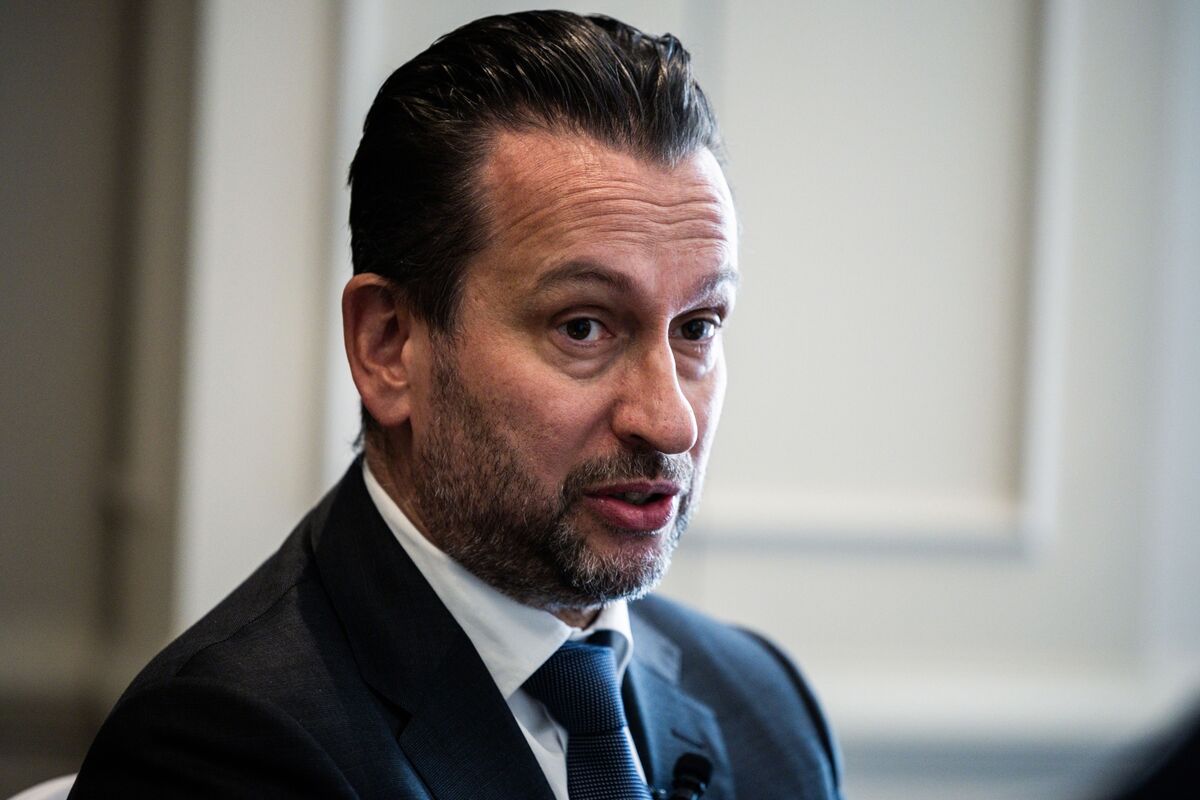
央行副行长佐尔坦·库拉里(Zoltan Kurali)表示,如果匈牙利政府设定到2029年达到共同货币标准的雄心勃勃的目标,那么匈牙利最早可以在2031年采用欧元。
Hungary could adopt the euro as early as 2031 if the government set an ambitious goal of meeting the common currency criteria by 2029, according to central bank Deputy Governor Zoltan Kurali.
库拉里周二在题为“回到欧洲”的投资组合会议上表示,这种情况意味着匈牙利可能已经在2028年中期进入名为ERM-2的汇率机制--候选国将其货币与欧元挂钩,并设定一定的波动范围。他说,基本情况仍然是政府在2030年达到欧元标准并在2032年采用欧元。
Such a scenario would mean that Hungary could already enter the exchange-rate mechanism known as ERM-2 — when the candidate country pegs its currency to the euro with a defined fluctuation band — in the middle of 2028, Kurali told a Portfolio conference entitled “Back to Europe” on Tuesday. The base-line case remains that the government meets euro criteria in 2030 and adopts the euro in 2032, he said.
总理彼得·马扎尔(Peter Magyar)在四月份的分水岭选举中将欧尔班(Viktor Orban)赶下台,并承诺让匈牙利重返欧洲主流并采用欧元。他的政府早些时候设定了2030年目标,将赤字占国内生产总值的比例从今年估计的7.5%降至3%,但具体目标将在未来几周内与2027年预算草案和单独的经济趋同目标一起公布。
Prime Minister Peter Magyar dislodged Viktor Orban from power in April’s watershed election with promises to return Hungary to the European mainstream and to adopt the euro. His government earlier set a 2030 goal to reduce the deficit to 3% of gross domestic product from an estimated 7.5% this year, though the specific targets are due to be unveiled in the coming weeks with the draft 2027 budget and the separate economic convergence goals.
投资者纷纷涌入匈牙利的货币和债券,押注随着该国走上采用共同货币的道路,其水平将逐渐与欧元区趋同。库拉里发表言论后,瑞士法郎兑欧元升值0.4%,凸显了欧元承诺对市场的重要性。
Investors have piled into Hungary’s currency and bonds, betting that levels will gradually converge with the euro area as the country moves along the path toward the adoption of the common currency. The forint strengthened 0.4% against the euro after Kurali’s comments, underscoring the importance of the euro commitment for markets.
库拉里重申,一旦政府正式启动欧元采用程序,匈牙利就不应推迟加入ERM-2。他表示,纸币与欧元的固定汇率应取决于央行的通胀目标(这在很大程度上受到汇率的影响)以及主要经济竞争力的需要。
Kurali reiterated that Hungary shouldn’t delay joining ERM-2 once the government formally kicks off the euro-adoption process. He said the exchange rate at which the forint is fixed to the euro should be dictated by the central bank’s inflation goal — which is heavily influenced by the exchange rate — and the need to main economic competitiveness.
库拉里表示,ERM-2时期将比保加利亚和克罗地亚(最新加入欧元区的国家)的经历更具挑战性,因为与这些国家不同,匈牙利拥有央行需要管理的自由浮动货币。
The ERM-2 period is poised to be more challenging than the experience of Bulgaria and Croatia — the most recent euro-area entrants — given that unlike those countries, Hungary has a free floating currency that the central bank will need to manage, Kurali said.