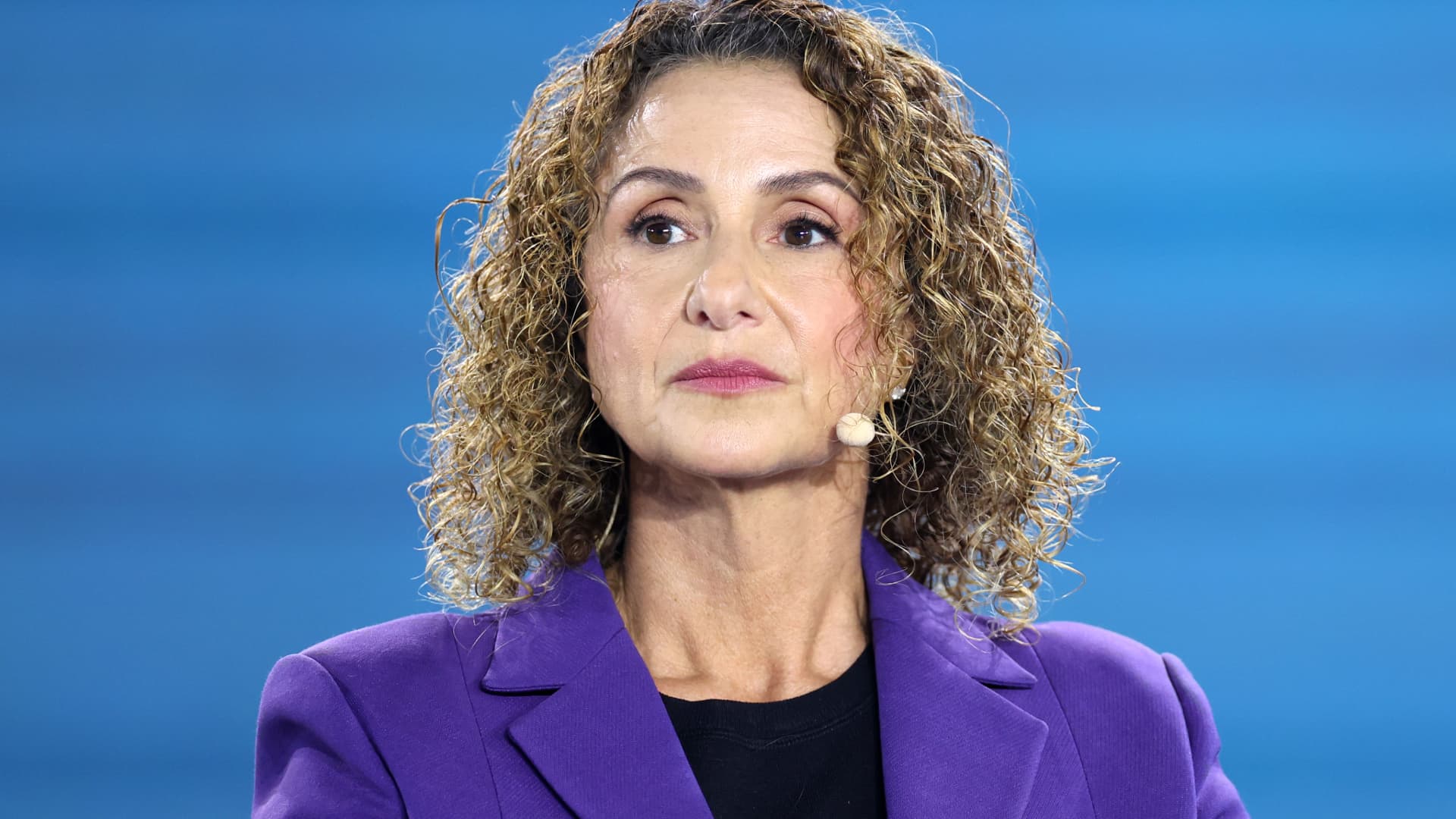
谷歌DeepMind的人工智能准备事务主管莉拉·易卜拉欣或许是全球唯一担任此职务的人。她表示,如果不坚信人工智能的发展最终会带来积极影响,自己绝不会接受这一职位。
Google DeepMind Chief AI Readiness Officer Lila Ibrahim may be the only person in the world with that title, and she says she would not have accepted it if she didn't believe that the AI scales will ultimately tip to the positive.
“如果我不相信人工智能带来的益处会大于风险,我想自己也无法胜任这份工作,”她在最近一期的CNBC《变革推动者》播客节目中这样对主持人朱莉娅·布尔斯汀说道。
"I don't think I could do this job if I didn't believe that the benefits will outweigh the risks," she told CNBC's Julia Boorstin in the latest episode of the "CNBC Changemakers" podcast.
近十年来,易卜拉欣一直协助谷歌DeepMind开发人工智能技术,并帮助公司应对这项飞速发展的技术所带来的各类伦理难题乃至关乎人类未来的重大问题。如今,她的工作重心转向了劳动者、学校以及各个社区是否做好了迎接未来变化的准备。易卜拉欣也入选了2025年度CNBC“变革推动者”名单。
Ibrahim has spent almost a decade helping Google DeepMind build artificial intelligence and stay ahead of the thorny ethical, and downright existential, questions that surround the rapidly advancing technology. Now, she is focused on whether workers, schools and communities are prepared for what comes next. Ibrahim was named to the 2025 CNBC Changemakers list.
今年早些时候,易卜拉欣从谷歌DeepMind首席运营官的职位转任现职。她指出,这一职位的职责并非确保DeepMind自身为人工智能的应用做好准备,而是要帮助全世界的人们理解并适应技术变革的加速发展——随着人工智能走出实验室,它正逐步渗透到日常生活的方方面面,包括科学研究、气象预报、教育以及职场效率提升等领域。
Earlier this year, Ibrahim shifted into her new role from being Google DeepMind's chief operating officer. The job, she says, is not about DeepMind's own readiness for AI, but about helping the rest of the world understand and adapt as changes accelerate and as AI moves beyond the lab and into more parts of everyday life, from scientific research and weather forecasting to education and workplace productivity.
在易卜拉欣看来,人工智能是否会变得更强大、以及具体如何发展其实并非关键问题。她认为更重要的问题是:人们能否对人工智能的使用方式拥有话语权。“虽然我无法预知人工智能未来会发挥怎样的作用,但我知道我们依然有能力去塑造其发展方向,”她说道。不过她也补充道:“只有与那些将受技术影响的人群携手合作,才能创造出理想的未来。”
For Ibrahim, the question is not whether AI will become more capable, or exactly how it will. The more important question, she says, is whether people have a say in how it is used. "While I might not know what it will do, I know that we still can – we have the agency to shape how we get there," she said. But she added, "You can't shape the right future unless you do so with the communities that it's going to impact."
对于那些看到“人工智能导致裁员与自动化”相关报道而忧心忡忡的劳动者,她的建议很简单:开始主动使用这项技术吧。"你必须开始自己使用AI,并腾出时间和空间去做这件事,"她说。"你不必是屋子里最聪明的人。" DeepMind企业团队如何每天使用AI Ibrahim和她在DeepMind的团队每天都在践行这一点。她说,对她日常工作而言,"最具变革性"的AI应用场景在于简报文档。"
For workers confronting headlines about AI-driven layoffs and automation, her advice is simple: begin using the technology. "You have to start using AI yourself and create the time and space to do it," she said. "You don't have to be the smartest in the room." How DeepMind corporate teams use AI every day Ibrahim and her teams at DeepMind put this into practice daily. She says the "most transformational" AI use case for herself at work on a daily basis is with briefing documents.
我之所以从事工程,部分原因是不想大量阅读和写作,而能以一种我能快速吸收信息的方式进行综合,这不仅对我,对负责准备材料的团队来说,都具有变革性意义,"她说。"考虑到当前事务繁多,且我们试图加快步伐,阅读简报未必是每个人发挥最大价值的地方。能够高效处理这项工作,进而腾出大家的手去做核心思考……这是对他们时间好得多、好得多的利用,"她说。
"I went into engineering partly because I didn't want to have to read and write a lot, and the ability to be able to synthesize in a way that I can absorb information very quickly has been transformational, not only for me but the team that has to prepare that," she said. "And given how much is going on right now and trying to move at pace, it's not necessarily where everyone adds the most value. Being able to be efficient in that and then free up everybody to do the work ... the big thinking ... way, way better use of their time," she said.
Ibrahim将她的日常AI使用方法拆解为三个问题,并要求所有团队成员作答:你如何使用AI?什么能帮助你更多地使用它?你在哪些地方没有使用AI?
Ibrahim breaks down her daily AI use case method into three questions that she asks all team members: How are you using AI? What would help you use it more? Where are you not using AI?
第三个问题关乎人才要素,她表示这至关重要。"这就是我们招聘时要寻找的、要奖励的。这是我们希望持续在员工身上培养的能力,"她说。并补充道,这对她自己同样适用。"AI可以帮我自动化所有任务,但无法自动化我的周二,"Ibrahim说。
That third question is the human talent element, and she said it is critical. "That's what we need to hire for; we need to reward. This is what we want to continue developing in our employees," she said. And she added that goes for herself as well. "AI can help automate all of my tasks, but it cannot automate my Tuesdays," Ibrahim said.
念及两个十几岁的女儿,她表示AI学习过程必须在人们进入职场前很久就开始。
With her two teenage daughters in mind, she says the AI learning process needs to start long before people enter the workforce.
“他们将继承我们正在开发的技术,然而他们却无权参与决定如何向他们传授这些技术,以及如何将其融入他们的学校生活或日常生活中。因此,我希望看到学校更加主动地与教师合作,”伊布拉希姆说。“教师必须始终引领学生,共同探索人工智能应用的合理边界,”她说道,但她补充说,学生需要“更加通晓这项技术的本质与局限,并了解其负责任的应用场景”。
"They're going to inherit the technology we're developing, and yet they're not getting a voice in how this is being taught to them, how it's being integrated into their schools or into their life, so I think I would love us to see schools lean in a bit more to work with the teachers," Ibrahim said. "Teachers always have to be in the lead with the students to say how do we explore the boundaries for what makes sense with with AI," she said, but she added that students need to "grow up more literate in what the technology is and isn't, and also what are responsible use cases for it."
回顾自己从电气工程研究生到参与英特尔奔腾处理器设计,再到如今在谷歌DeepMind从事人工智能工作的职业历程,伊布拉希姆表示:“在我们的一生中,世界已经发生了巨大变化,下一代也将面临同样的境遇。因此,我们所能做的,就是培养他们对学习的热爱和好奇心,以及面对变革的韧性,让他们明白变革即将到来,并且他们实际上可以在变革的发生过程中发挥作用。”“我认为,持续学习将是至关重要的一点,”她说道。
Thinking back on her professional path from graduate student in electrical engineering to work on designing Intel's Pentium processor and now to Google DeepMind and AI, Ibrahim said "so much has already changed in our lifetime, and the same will be [true for] the generation that follows. So all we can do is teach a love of learning and curiosity, and the resilience to know that change is coming, and they can actually have a role in how that change happens." "One of the things that I think is going to be important is continuous learning," she said.