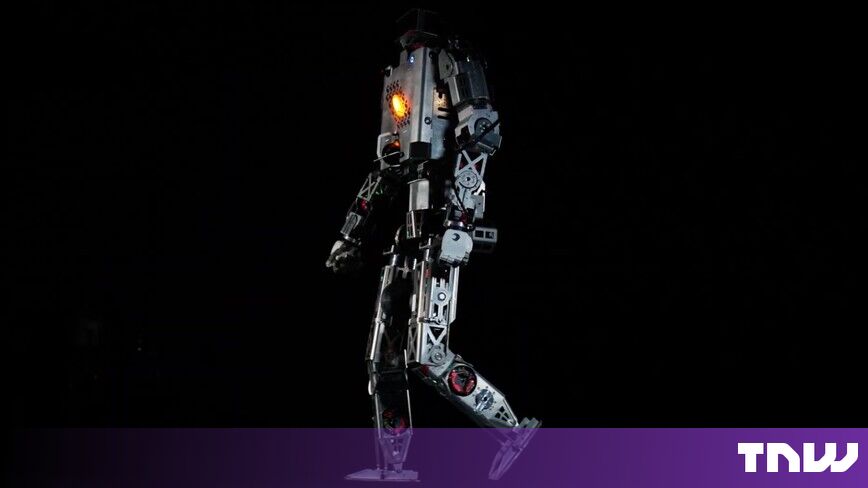
Minerva Humanoids已筹集到约1000万美元的种子前资金,用于研发用于执行高危任务的仿人机器人。这家总部位于旧金山的初创企业主要服务于石油天然气行业及公共安全领域。据该公司周二透露,此轮融资由General Catalyst领投,Long Journey Ventures与Credo Ventures共同跟投。其他投资方还包括Hugging Face、Codecademy、RunwayVC以及Compound等。
Minerva Humanoids has raised about $10M in pre-seed funding to build humanoid robots for dangerous jobs. The San Francisco startup works on oil and gas and public safety. General Catalyst led the round, with Long Journey Ventures and Credo Ventures as co-leads, the company said on Tuesday. Hugging Face, Codecademy, RunwayVC and Compound are among the other backers.
这笔资金使得Minerva Humanoids得以结束保密阶段,并计划于今年秋季启动首批付费试点项目。
The money brings Minerva out of stealth. It will start its first paid pilots this autumn.
“每天都有工人在从事着其他人习以为常的工作时丧生,”首席执行官桑多尔·费尔伯说道,“我们并非旨在取代这些劳动者。”Minerva研发的仿人机器人名为Roger,具备半自主能力。经过培训的操控人员可通过虚拟现实头盔远程操作该机器人,并借助其“双眼”观察周围环境。这样一来,操控者便能在安全距离外完成精细操作任务。据该公司介绍,其自主研发的人工智能控制系统可负责机器人的平衡维持、摔倒后的恢复及路径规划;操作人员仅需几分钟即可掌握全身操控技巧。
“People are dying every day doing jobs the rest of the world takes for granted,” said Sandor Felber, the chief executive. “We didn’t set out to replace the people doing them.”A robot steered through a VR headset Minerva’s robot, Roger, is semi-autonomous. A trained specialist operates it through a VR headset and sees through the robot’s eyes. The specialist does fine manipulation work from a safe distance. Minerva’s own AI control system handles balance, fall recovery and navigation. Operators learn full-body control in minutes, the company said.
Minerva计划将Roger应用于海上石油钻井平台、高压发电厂、爆炸物处理以及危险物质处置等场景。目前该公司也正在探索将其部署至全球十大最繁忙机场中的两处。此前,Roger已成功完成了多项公共安全领域的实地测试。
Minerva is aiming Roger at offshore oil rigs, high-voltage power plants, explosive ordnance disposal (EOD) and hazardous material response. It is exploring deployments at two of the world’s 10 busiest airports. It has already completed on-site testing for public safety work.
据估算,全球每年约有7000名能源行业从业者因工伤丧生。这一数据来源于国际劳工组织统计的全球工伤死亡率,再结合国际能源署统计的7600万名能源行业从业者人数计算得出。
The company estimates that about 7,000 energy workers die on the job every year. It took the International Labour Organization’s global rate of fatal work accidents. Then it applied that rate to the 76 million energy workers counted by the International Energy Agency.
“每一位排爆作业人员都深知那段漫长的行走路程有多艰难,”多米尼克·阿斯奎斯说道。他是英国特种部队退伍军人,目前担任米涅瓦公司危险作业部门的负责人。“几十年来我们一直使用的履带式单臂机器人系统,常常让作业人员不得不亲自完成那些任务——因为作业需要两只手以及极高的操作灵活性。”据米涅瓦介绍,这款人形机器人是在德国和美国共同研发的,从创意诞生到最终成型仅用了五个月时间。
“Every EOD operator knows the long walk,” said Dominic Asquith, a British Special Forces veteran who heads hazardous operations at Minerva. “The tracked, single-arm systems we’ve relied on for decades send a lot of people on that walk because the task needs two hands and real dexterity.”Built in Germany and the US Minerva said it went from an idea to a walking humanoid in five months. Its engineers in the US write most of its software and AI.
其美国团队的工程师负责编写大部分软件与人工智能程序,首批原型机则在德国制造。公司计划今后在两国同步生产机器人,且不会依赖单一的中国供应商来获取零部件。目前全球市场上流通的人形机器人几乎全由中国制造。
Its first Roger prototypes are built in Germany. It plans to build its robots in both countries without relying on single-source Chinese components. China builds almost every humanoid robot shipped worldwide.
费尔伯曾参与特斯拉Optimus人形机器人的研发工作,还协助推动了麻省理工学院计算机科学与人工智能实验室在人形机器人领域的研究。首席技术官莫里斯·拉赫梅曾在波士顿动力公司任职六年,是该公司Stretch机器人的核心技术负责人之一。
Felber worked on Tesla’s Optimus humanoid robot and helped launch MIT CSAIL’s research on humanoid robots. Maurice Rahme, the chief technology officer, spent six years at Boston Dynamics. He was one of the technical leads on its Stretch robot.
米涅瓦公司近期在斯洛伐克的北约排爆卓越中心举办了产品展示会并发表了主题演讲。目前该公司正与阿布扎比的穆罕默德·本·扎耶德人工智能大学合作,共同开发适用于能源行业的机器人。此外,滑铁卢大学也在协助其研发能在烟雾与黑暗环境中正常工作的机器人视觉系统。
Minerva gave a showcase and keynote at the NATO Explosive Ordnance Disposal Centre of Excellence in Slovakia. It is working with Abu Dhabi’s Mohamed bin Zayed University of Artificial Intelligence (MBZUAI) on robots for the energy sector. The University of Waterloo is helping it with robot vision in smoke and darkness.
此次融资是今年人形机器人领域的又一重要投资案例;今年7月,伦敦的人形机器人初创企业Humanoid刚刚完成了1.52亿美元的A轮融资。
The round follows other humanoid funding this year, including a $152M Series A for London’s Humanoid in July.