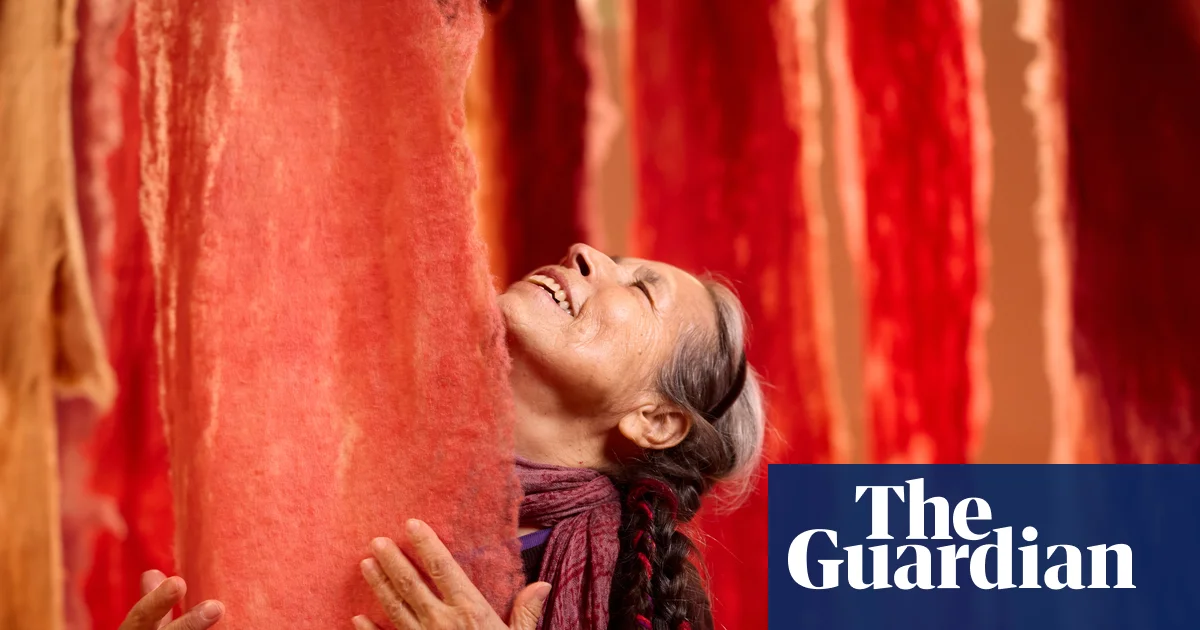
在成功说服法官自己若返回智利必遭杀害后的50年里,这位艺术家带着充满政治意味的回顾展重返故土——这片她逐渐深爱的土地。
Five decades after convincing judges she’d be killed if she returned to Chile, the artist is back with a politically charged retrospective in the country she grew to love Cecilia Vicuña was 24 when she first arrived in London.
24岁时,塞西莉亚·维库尼亚凭借英国文化协会的奖学金来到伦敦,进入斯莱德艺术学院求学。由于原计划只作短期停留,她甚至没有打开行李箱。
She had come from Santiago on a British Council scholarship to study at the Slade School of Art, and her stay was supposed to be so brief that she didn’t even unpack her suitcase.
1973年9月,奥古斯托·皮诺切特将军发动军事政变推翻了民选总统萨尔瓦多·阿连德。
Then, in September 1973, General Augusto Pinochet’s military coup overthrew Chile’s democratically elected president, Salvador Allende.
作为当时在伦敦的少数智利留学生之一,维库尼亚被勒令立即离校并离开英国。
Vicuña was one of a handful of Chilean students in London immediately expelled from their universities and expected to leave Britain.
在英国内政部听证会上,她的免费辩护律师出示了她刚出版的艺术诗集《Saborami》,书中记录了政变后的惨状,以此证明她回国将面临生命危险。最终法官批准了她的庇护申请。
At a Home Office hearing, her pro-bono lawyers argued that she would be killed if she returned to Chile, and showed the judges her recently published art and poetry book, Saborami, which documented the aftermath of the coup. The judges granted her asylum.