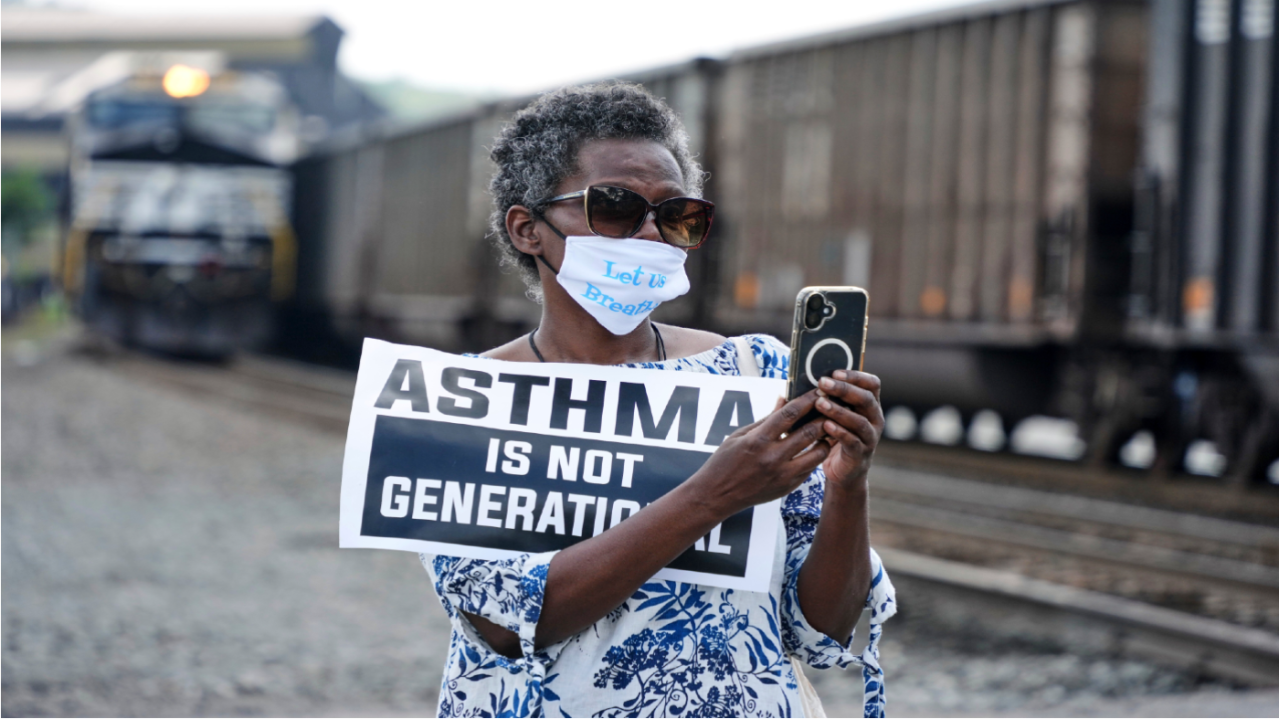
种族主义政策导致了社区在面对气候变化时的脆弱性;只有采取补救性措施,才能真正解决问题。
Racist policy caused climate vulnerability. Restorative policy is the remedy. Last month, the Fifth Circuit Court of Appeals delivered a sobering message to residents of Jackson, Mississippi, who had sued over the city’s troubled water system.
上个月,美国第五巡回上诉法院向密西西比州杰克逊市的居民们发出了一个令人警醒的判决。这些居民因该市糟糕的水务系统而提起诉讼,他们指责政府的不作为使他们暴露在受铅污染的饮用水中,而政府官员却坚称这些饮用水是安全的。遗憾的是,他们未能获得应有的赔偿或补救措施。
The residents alleged government failures had exposed them to lead-contaminated drinking water that officials assured them was safe. Unfortunately, they did not get the remedy they sought. This decision raises a critical question: What does justice require when the government has helped create conditions that make a community vulnerable in the first place? Climate change does not arrive on neutral ground.
这一判决引发了一个关键问题:当政府本身就制造了使社区变得脆弱的条件时,正义究竟该如何发挥作用?
Its threats are colliding with a geography of vulnerability and inequality that America spent generations constructing.
气候变化并非“中立地”降临到人类社会中的;它的威胁与美国多年来通过各种政策与制度所形成的地理环境(即那些充满脆弱性和不平等的地区)直接相关。在种族隔离时期,诸如种族限制性的契约、排斥性分区政策、歧视性的贷款制度以及基础设施建设等方式,将黑人家庭逼迫到容易发生洪水、环境污染严重、靠近工业设施或环境条件恶劣的社区中。即使种族隔离制度正式结束,这些不平等的地理格局依然存在。
During the era of legal segregation, policies including redlining racially restrictive covenants, exclusionary zoning, discriminatory lending and infrastructure development helped confine Black families to neighborhoods more likely to be flood-prone, polluted, near industrial facilities or otherwise environmentally vulnerable. The end of formal segregation did not erase that geography. In many Black communities, segregation was followed by decades of public and private disinvestment. Water systems aged. Drainage infrastructure deteriorated. Housing declined. Trees and green spaces disappeared or were never planted. Public transportation suffered.
在许多黑人社区,种族隔离之后又伴随着数十年的公共和私人投资不足:水务系统逐渐老化,排水设施严重损坏,住房条件不断恶化,绿化空间被破坏或从未被建设;公共交通系统也陷入困境,市政税收基础不断萎缩。
Municipal tax bases eroded. And neglect was only half of the story. Even as governments failed to invest adequately in Black communities, they continued to ask those communities to bear a disproportionate share of society’s burdens.
然而,忽视问题本身只是问题的一个方面。即使在政府未能为黑人社区提供足够投资的情况下,这些社区仍不得不承担社会负担的重压:高速公路穿过黑人社区,污染性企业纷纷在这些地区聚集。我们就是这样一层层地加剧了社会的不平等与脆弱性。
Highways tore through Black neighborhoods. Polluting industries clustered nearby. We constructed inequality and vulnerability layer by layer. Now climate change is colliding with everything we built. A neighborhood with inadequate drainage becomes more vulnerable as extreme rainfall intensifies.
如今,气候变化正在与我们人类建造的一切基础设施发生冲突:排水系统不完善的社区在极端降雨的冲击下变得更加脆弱;树木稀少、地面铺满吸热材料的地区随着气温上升而变得更加危险;老旧的电力系统在极端高温下变得愈发关键(因为空调已成为维持人们生命安全的必要设施);脆弱的水资源系统在洪水、干旱等气候压力下也变得更加岌岌可危。
A community with few trees and acres of heat-absorbing pavement becomes more dangerous as temperatures rise. An aging electrical grid becomes more consequential when extreme heat makes air conditioning a matter of life and death.
那些世代积累财富的家庭,面对这些灾难时,拥有的资源更少,他们要么难以撤离,要么难以重建家园,要么难以承担不断上涨的公用事业费用和保险费用,要么只能选择搬到更安全的地方。气候变化本身并未造成这些社会不平等现象,但它却加剧了这些不平等。
Fragile water systems become more precarious under flooding, drought and other climate stresses. And families denied generations of wealth accumulation have fewer resources to evacuate, rebuild, absorb rising utility and insurance costs or move somewhere safer. Climate change did not create these inequalities. But it is magnifying them.
还有一种我们试图忽视的矛盾——那就是气候变化与我们国家对黑人遭受苦难的漠视或容忍态度之间的冲突。除了杰克逊市的居民外,想想密歇根州的弗林特市吧:那里的居民多年来一直在为获得安全的饮用水而抗争;再想想印第安纳州的加里市:8月份有近两周的时间,该市的居民都处于断电状态,而私营电力公司在处理恢复供电问题的过程中却表现得极为迟缓。
There is another collision we have tried to ignore — between climate change and our nation’s extraordinary capacity to tolerate Black suffering. In addition to the residents of Jackson, think of Flint, Michigan, where residents spent years fighting for safe drinking water, or Gary, Indiana, where for nearly two weeks in August residents had no power — all while a private utility worked its way, unhurried, through a restoration list. Different cities.
这些城市的情况各不相同,但它们都提出了一个令人不安的问题:当受苦的是黑人时,我们究竟认为哪些情况是可以接受的?有些社区的苦难会引发我们的紧急干预,而另一些社区的苦难却只是被当作“常态”而被忽视。气候变化有可能使这种社会等级制度带来的后果变得更加严重。
Different systems. But they raise the same disturbing question: What conditions have we decided are acceptable when the people living with them are Black? There are communities whose suffering triggers urgent intervention and others whose suffering becomes part of the background. Climate change threatens to make the consequences of that hierarchy far more severe.
甚至我们对气候变化的应对措施本身,也可能加剧这种等级制度。政府将会投入巨额资金来加强电力系统、改善水资源系统、优化排水设施、保护海岸线、植树造林以及重建交通基础设施。如果我们继续沿用过去的模式,那么那些拥有最多财富和政治权力的社区将会首先得到保护,也会最快恢复元气。
And even our responses to climate change risk reproducing those hierarchies. Governments will spend enormous sums strengthening electrical grids, modernizing water systems, improving drainage, protecting coastlines, planting trees and rebuilding transportation infrastructure. If we follow the patterns of the past, communities with the most wealth and political power will receive protection first and recover fastest.
气候适应必须成为一项民权工程。这意味着在灾难降临前识别脆弱性,并将投资引导至那些因种族隔离、投资撤离、环境负担和基础设施忽视而世代积累脆弱性的社区。这意味着重建水利和能源系统、加固住房、改善排水、扩大绿色基础设施并确保可靠的交通。这也意味着赋予居民对投资决策的实质性话语权,这些投资将决定他们的社区能否生存,以及他们能否留下来享受成果。
Climate adaptation must become a civil rights project. That means identifying vulnerability before disaster strikes and directing investment toward communities where segregation, disinvestment, environmental burdens and infrastructure neglect have compounded over generations. It means rebuilding water and energy systems, strengthening housing, improving drainage, expanding green infrastructure and ensuring reliable transportation. And it means giving residents meaningful power over the investments that will determine whether their communities survive and whether they can remain to enjoy the benefits.
许多黑人社区面临的脆弱性并非不可避免。它是通过关于人们可以住在哪里、政府将在哪里投资、基础设施将建在哪里、哪些社区将受到保护以及哪些社区可以被忽视的决策构建起来的。
The vulnerability facing many Black communities was not inevitable. It was built through decisions about where people could live, where the government would invest, where infrastructure would be placed, which communities would be protected and which could be neglected.
几代人的政策助长了脆弱性的形成。政府现在有义务构建韧性。气候危机将迫使美国进行建设。我们将花费数十亿美元来决定保护哪些地方、加固哪些基础设施,以及为哪些社区做好准备以应对更危险的未来。
Generations of policy helped construct vulnerability. Governments now have an obligation to construct resilience. The climate crisis is going to force America to build. We will spend billions deciding which places to protect, which infrastructure to strengthen, and which communities to prepare for a more dangerous future.
问题不在于我们是否会建设,而在于我们是否会复制我们继承的种族地理格局——抑或是最终开始拆解它。我们建立了这种脆弱性。现在我们必须建设一些不同的东西。
The question is not whether we will build. It is whether we will reproduce the racial geography we inherited — or finally begin to dismantle it. We built this vulnerability. Now we have to build something different.
Deborah Archer是美国公民自由联盟主席,也是纽约大学法学教授。
Deborah Archer is president of the American Civil Liberties Union and a professor of law at New York University.